MOZAMBIQUE

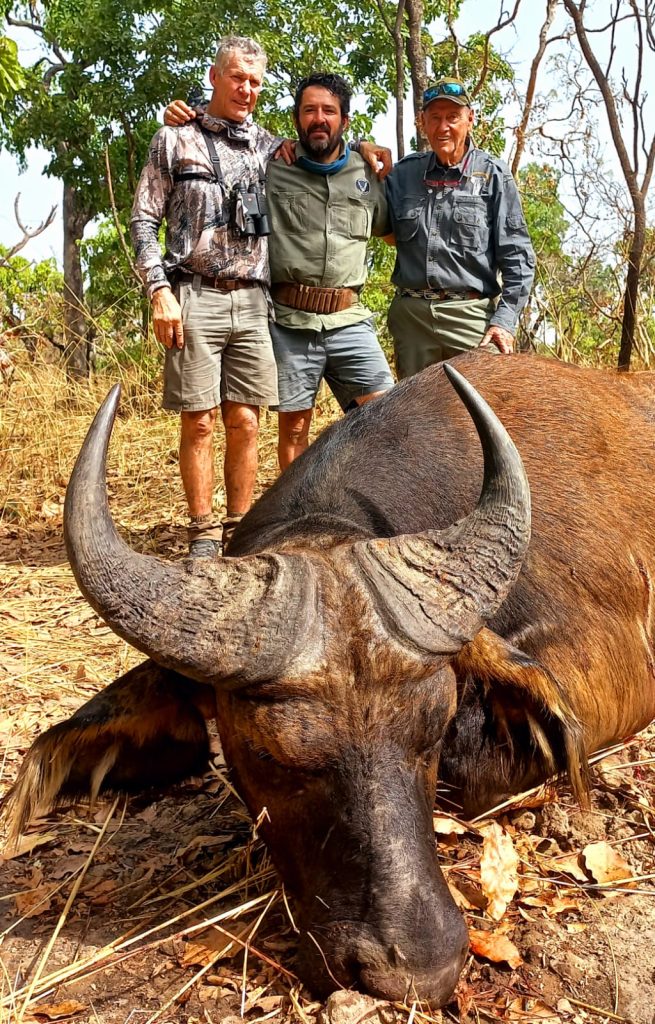
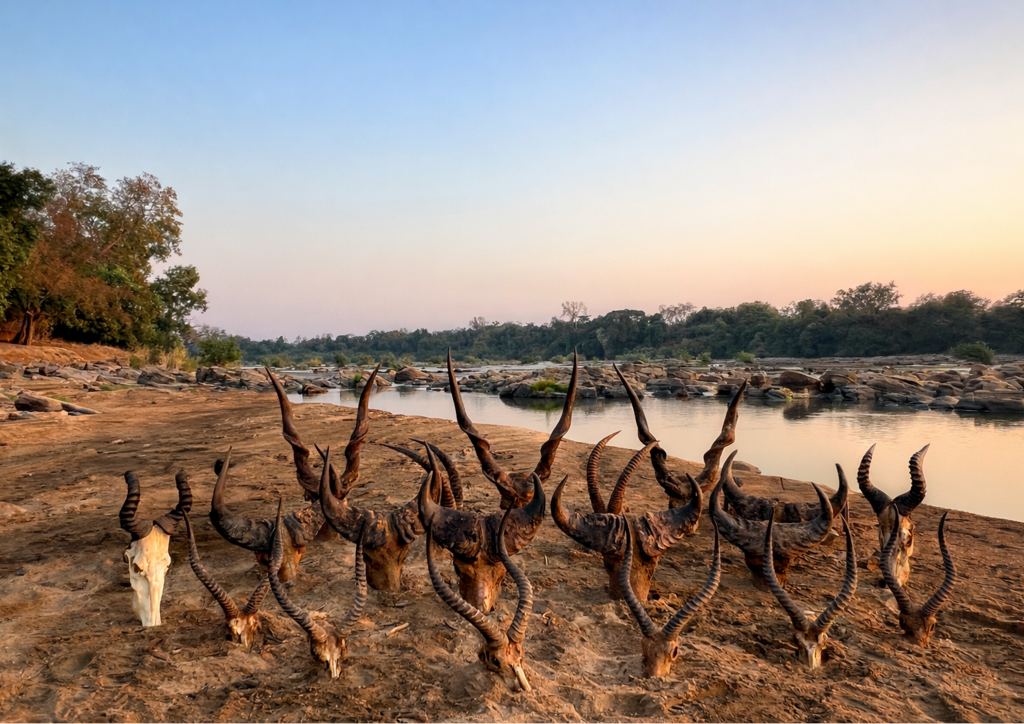
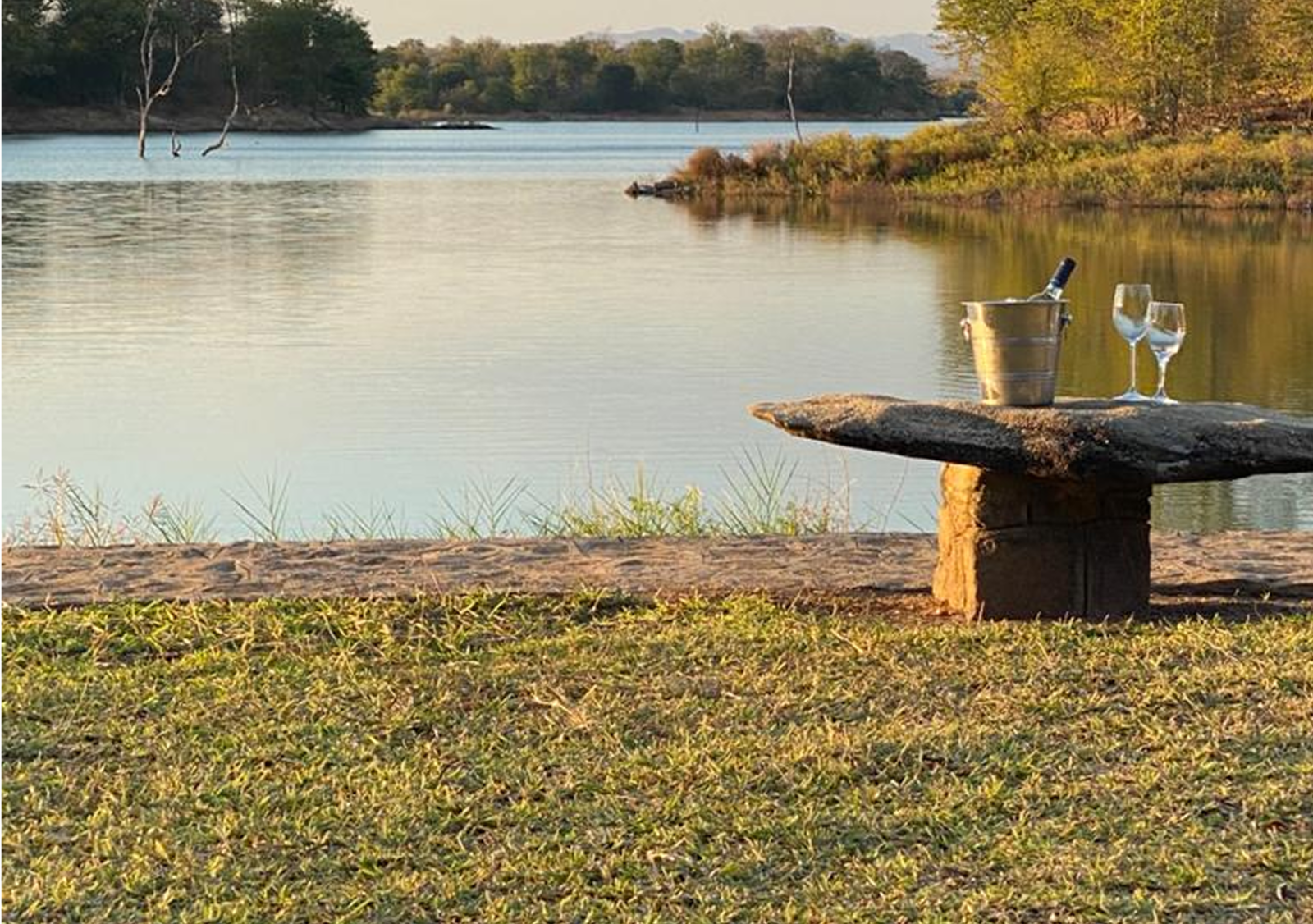
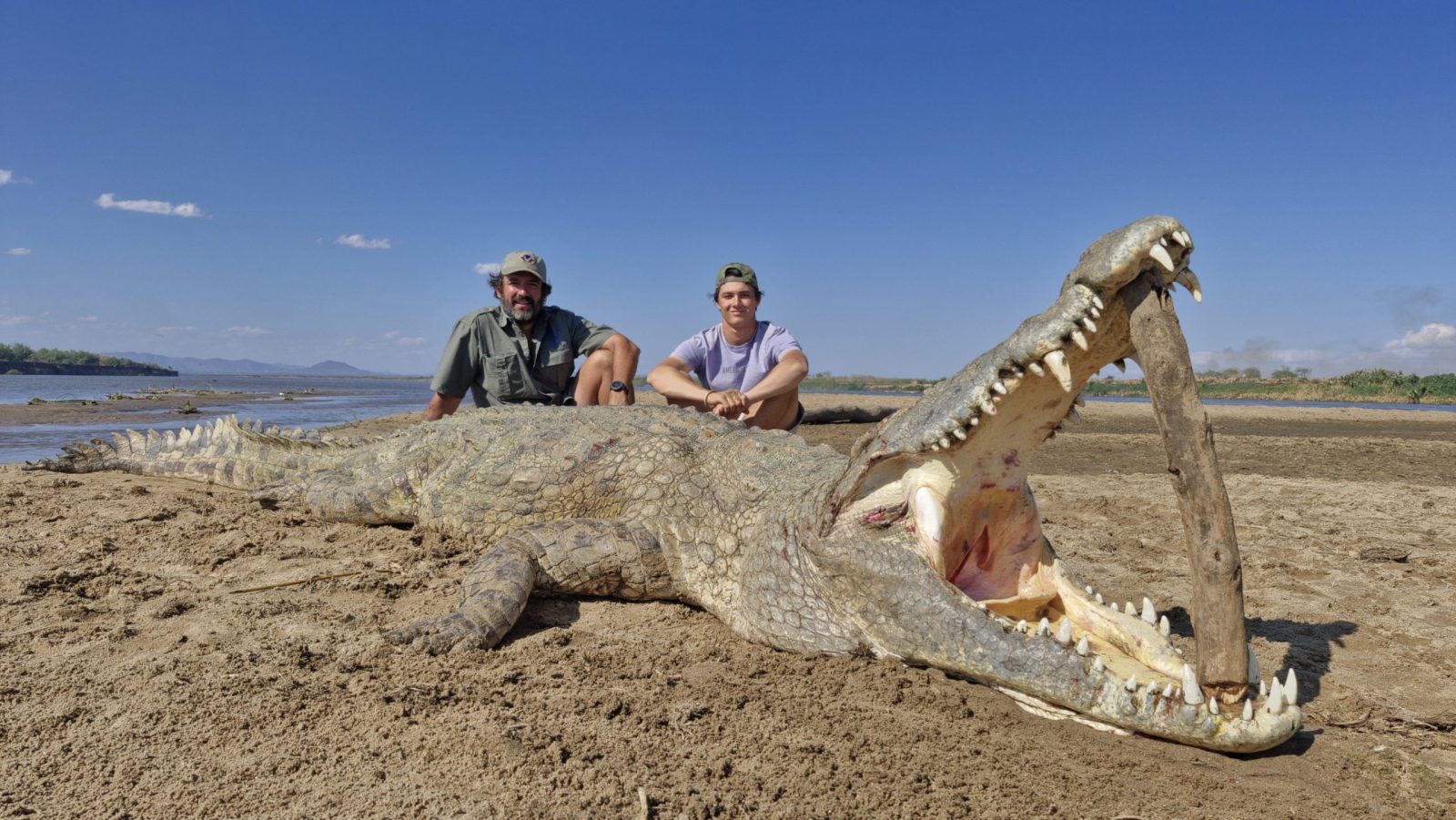
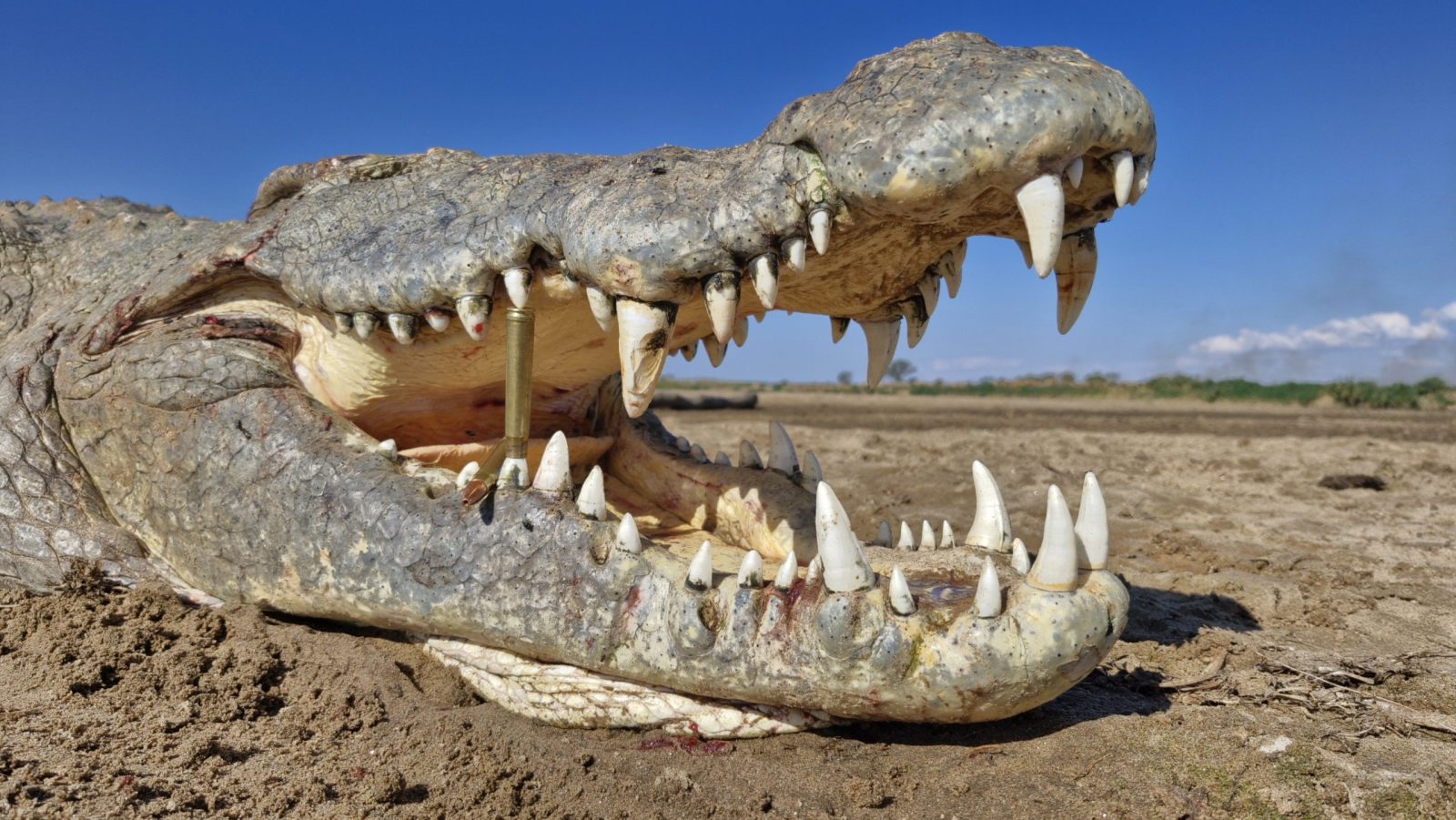
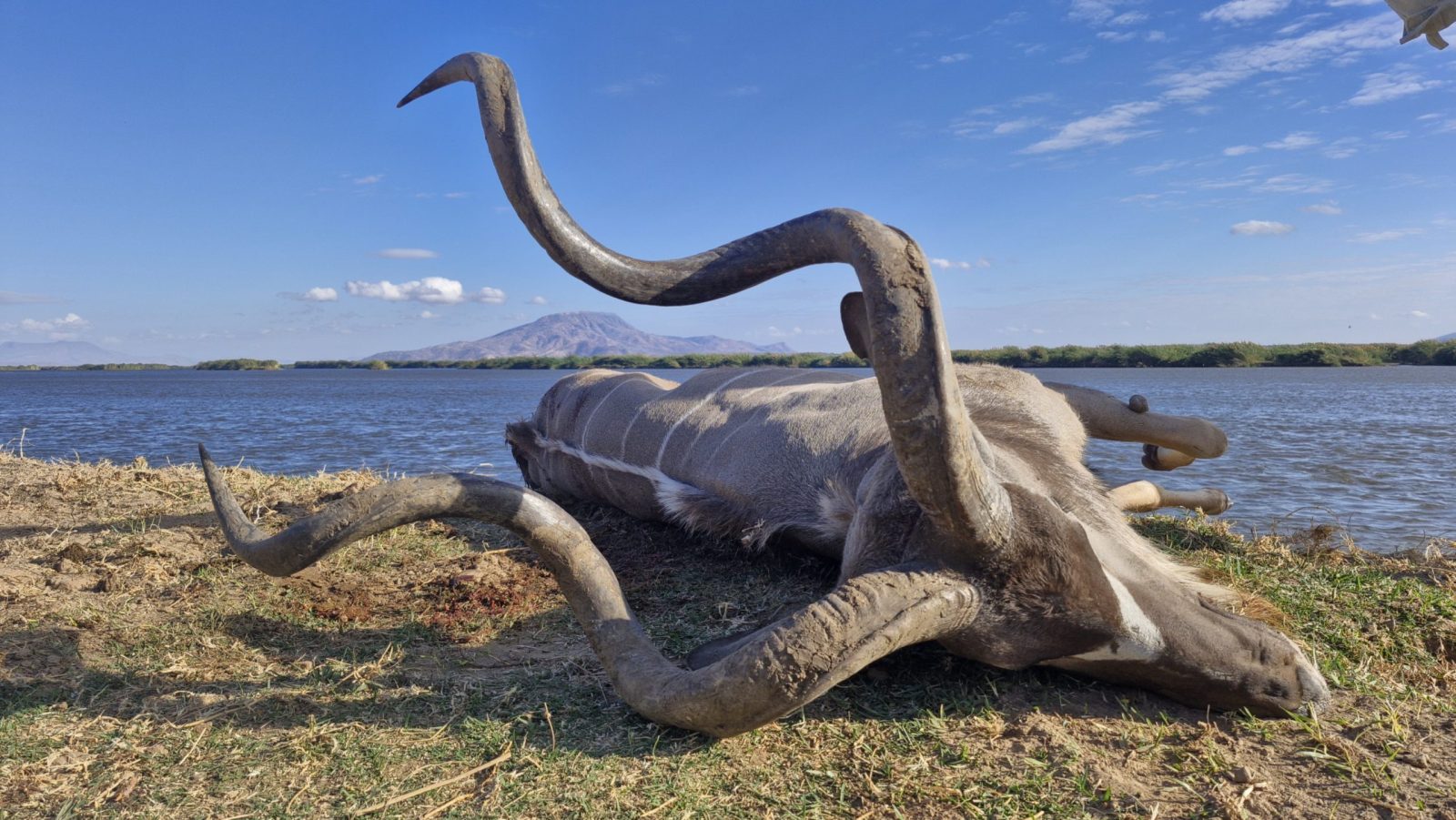
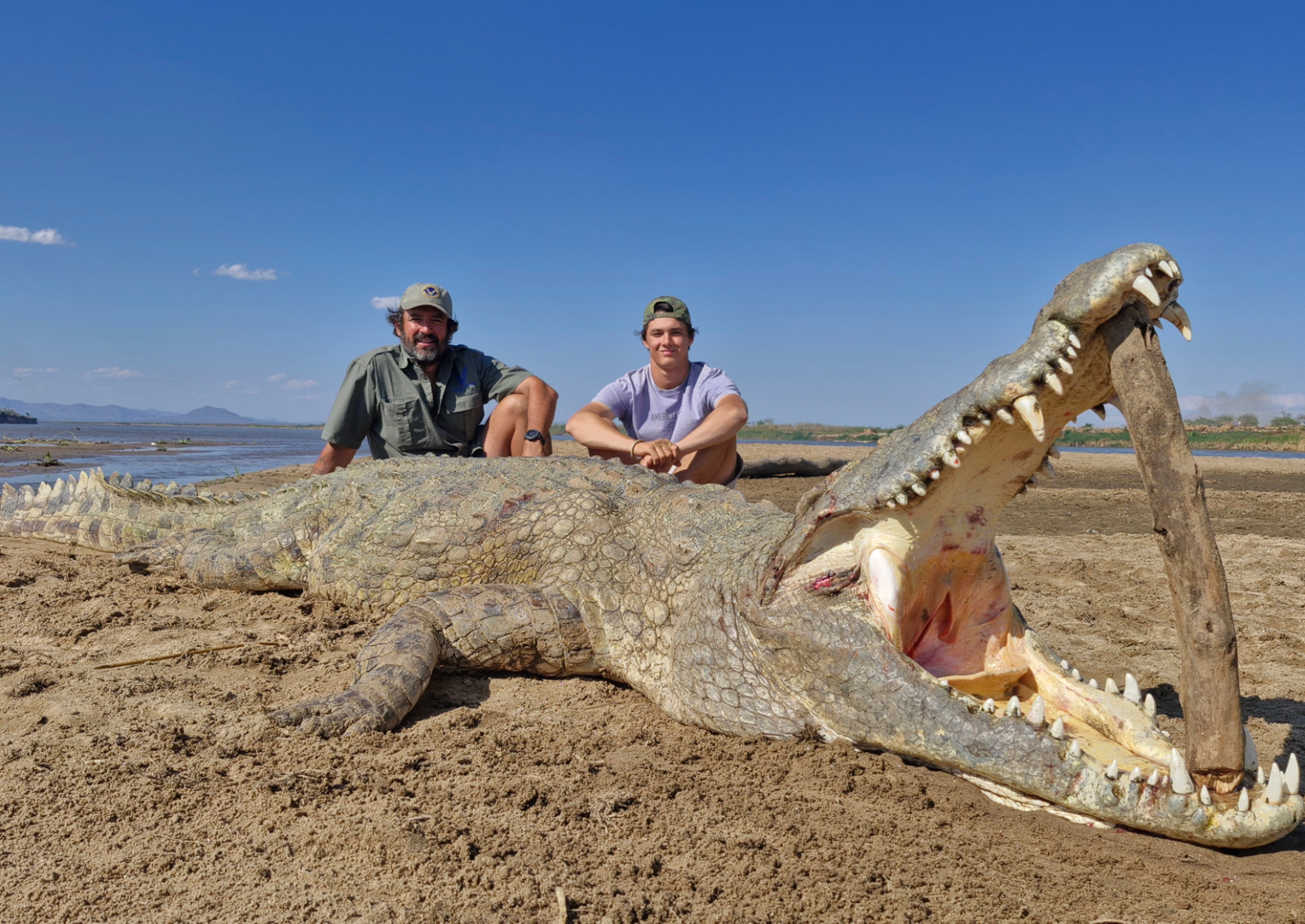
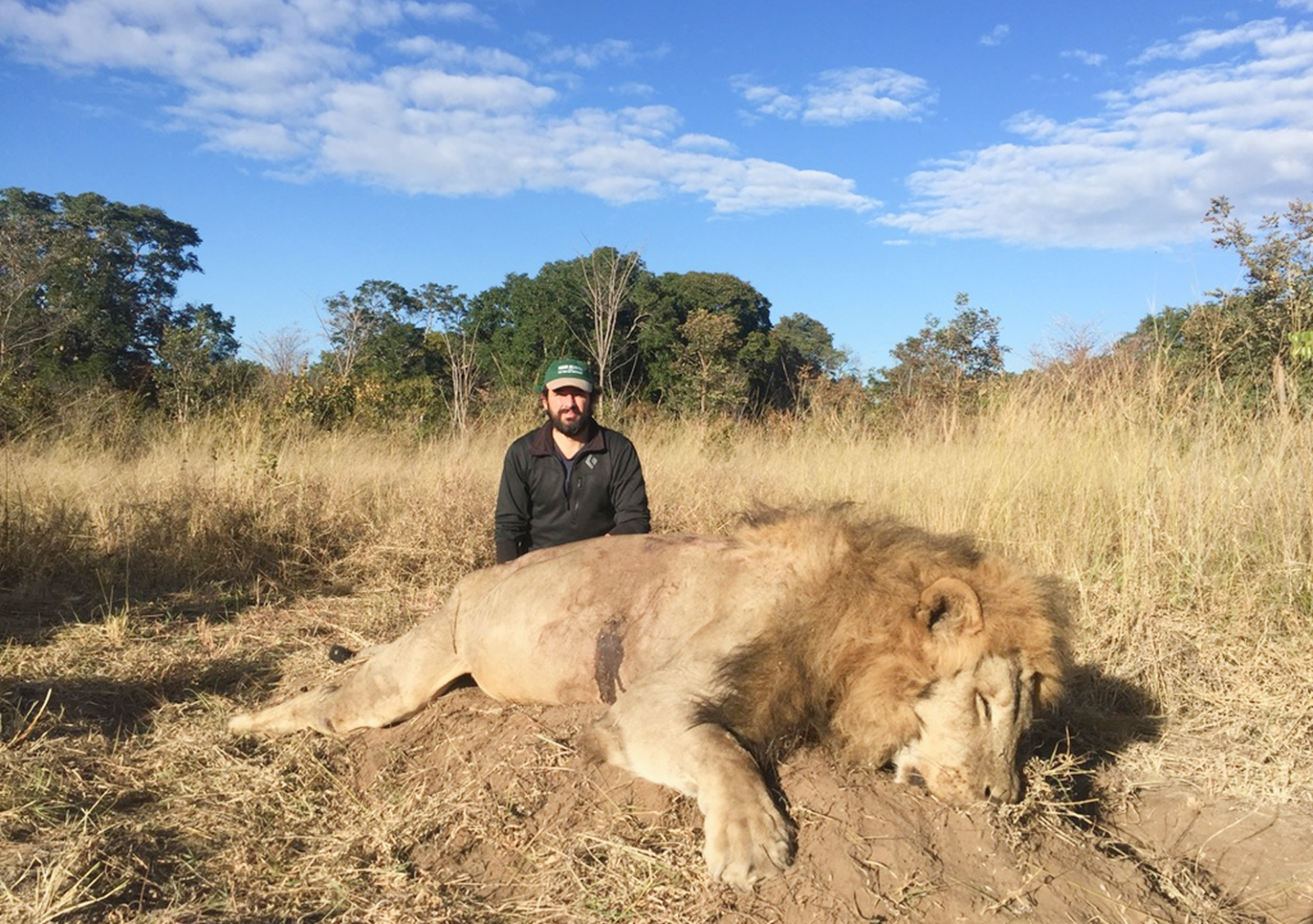
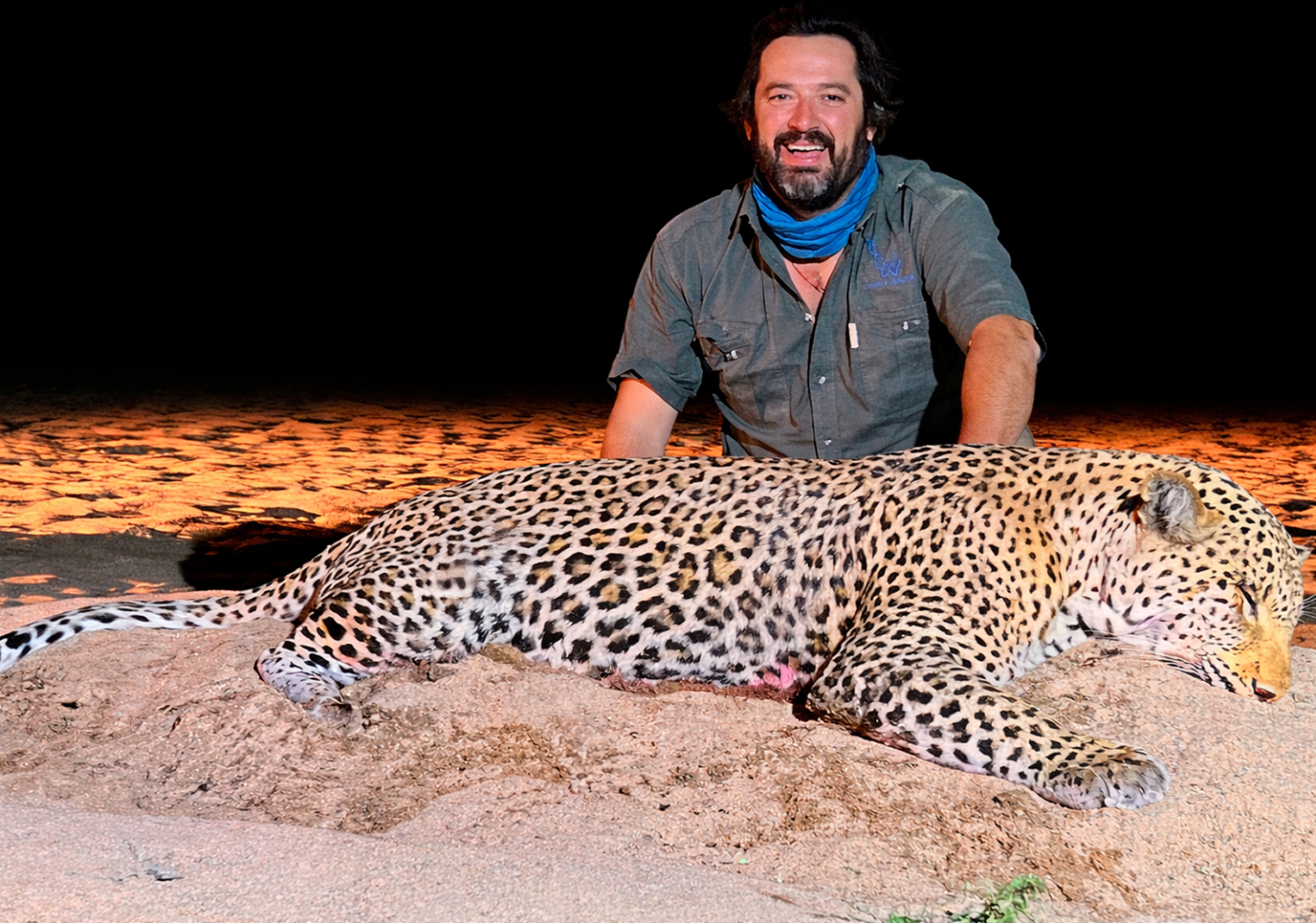
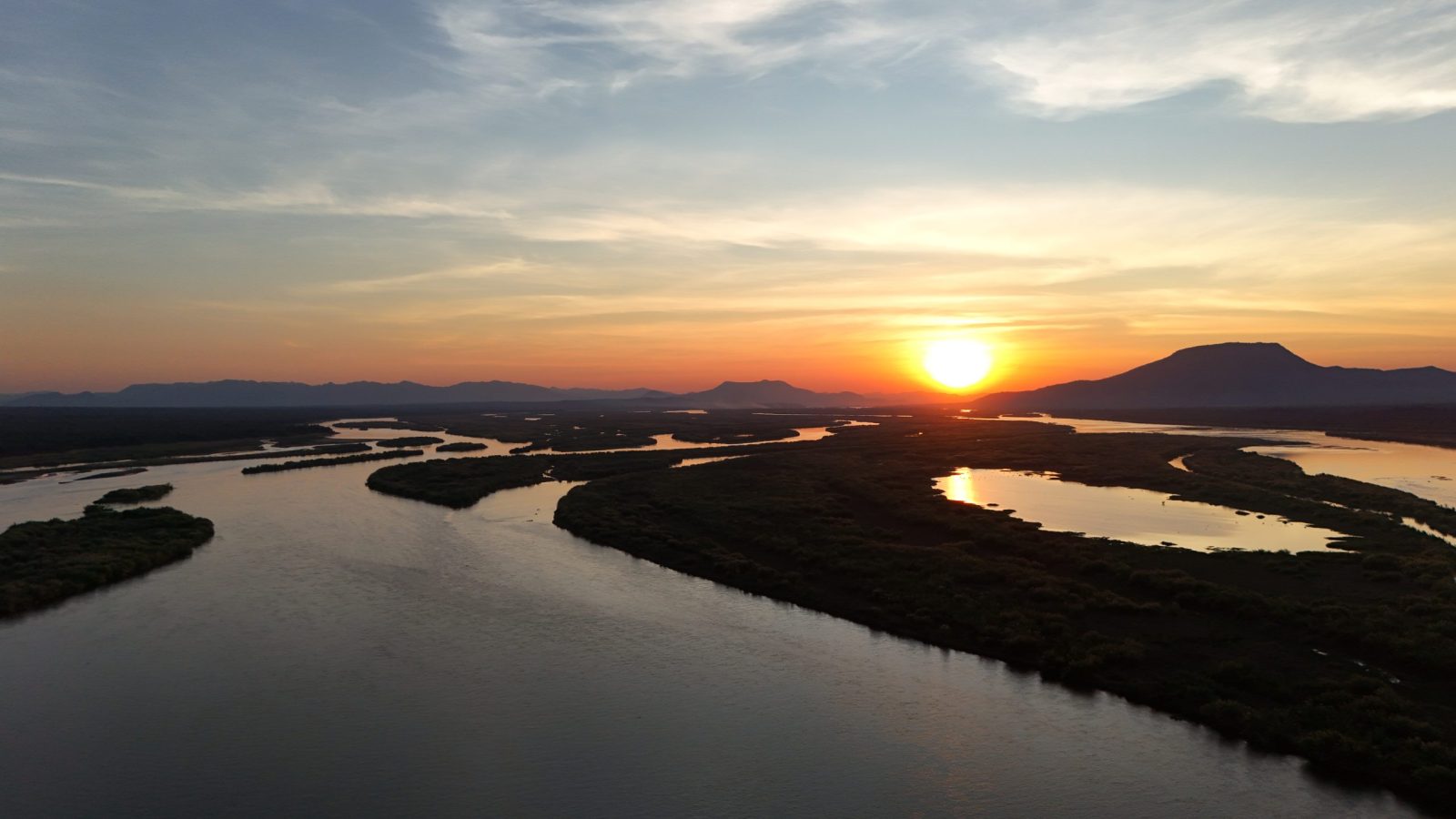
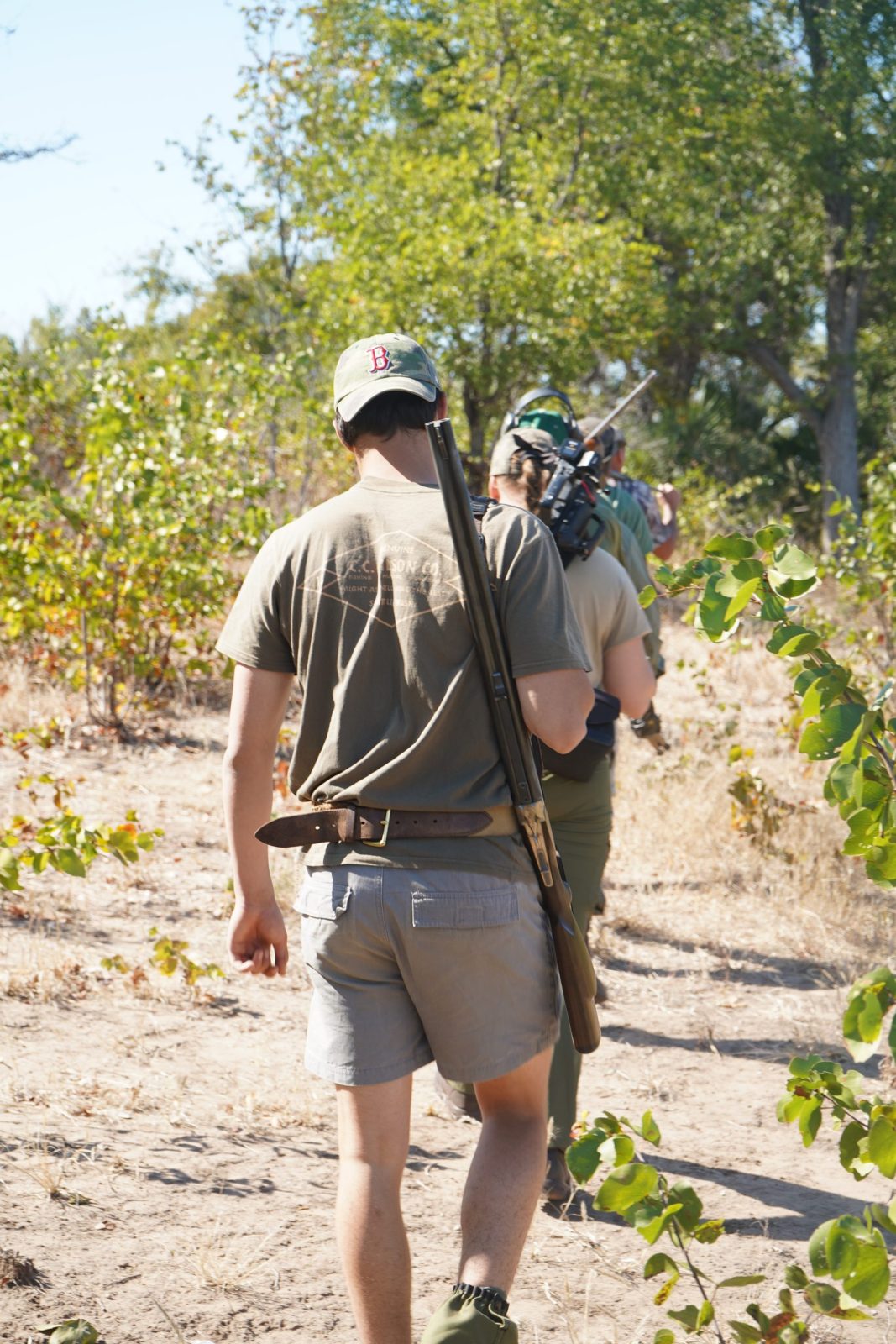
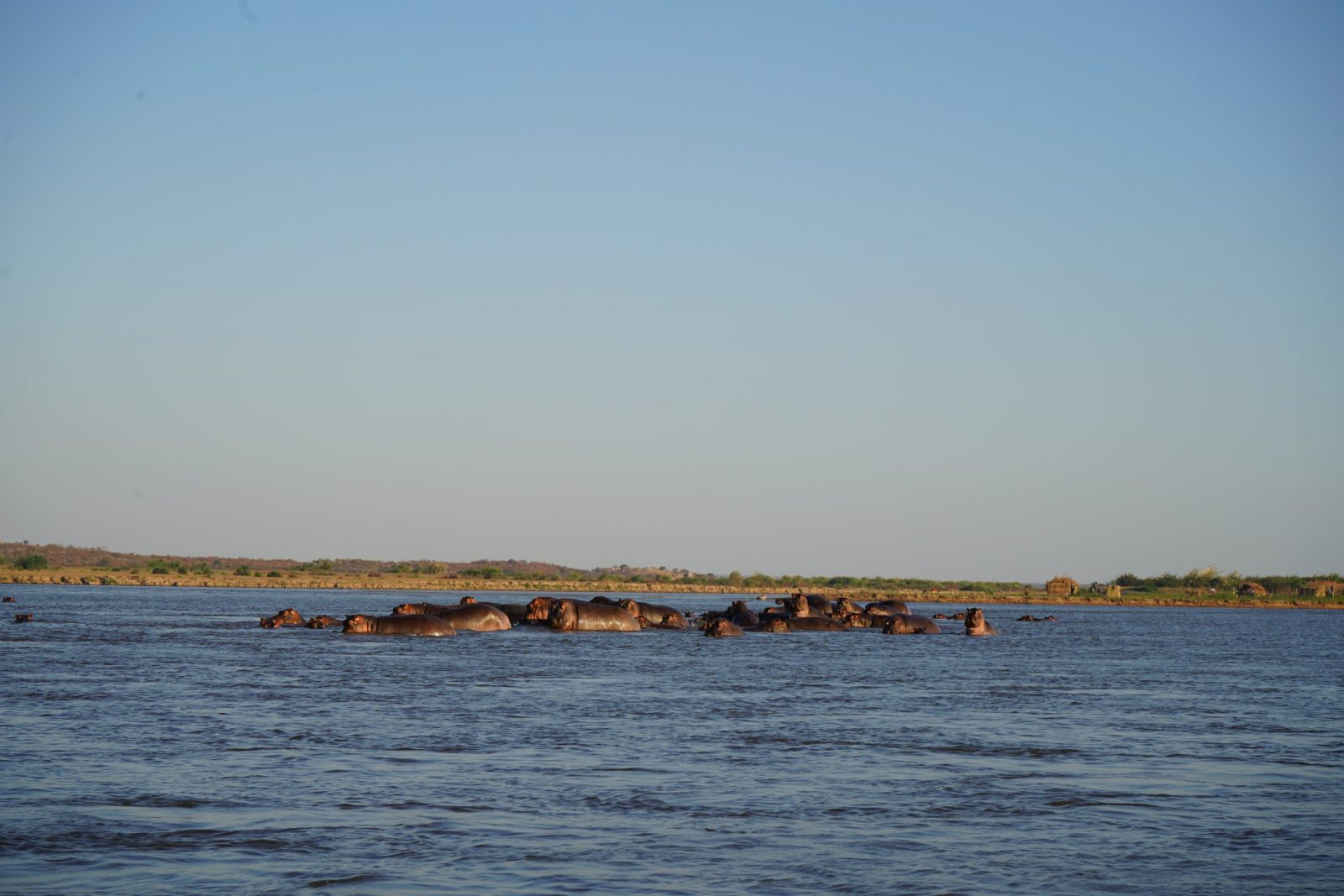
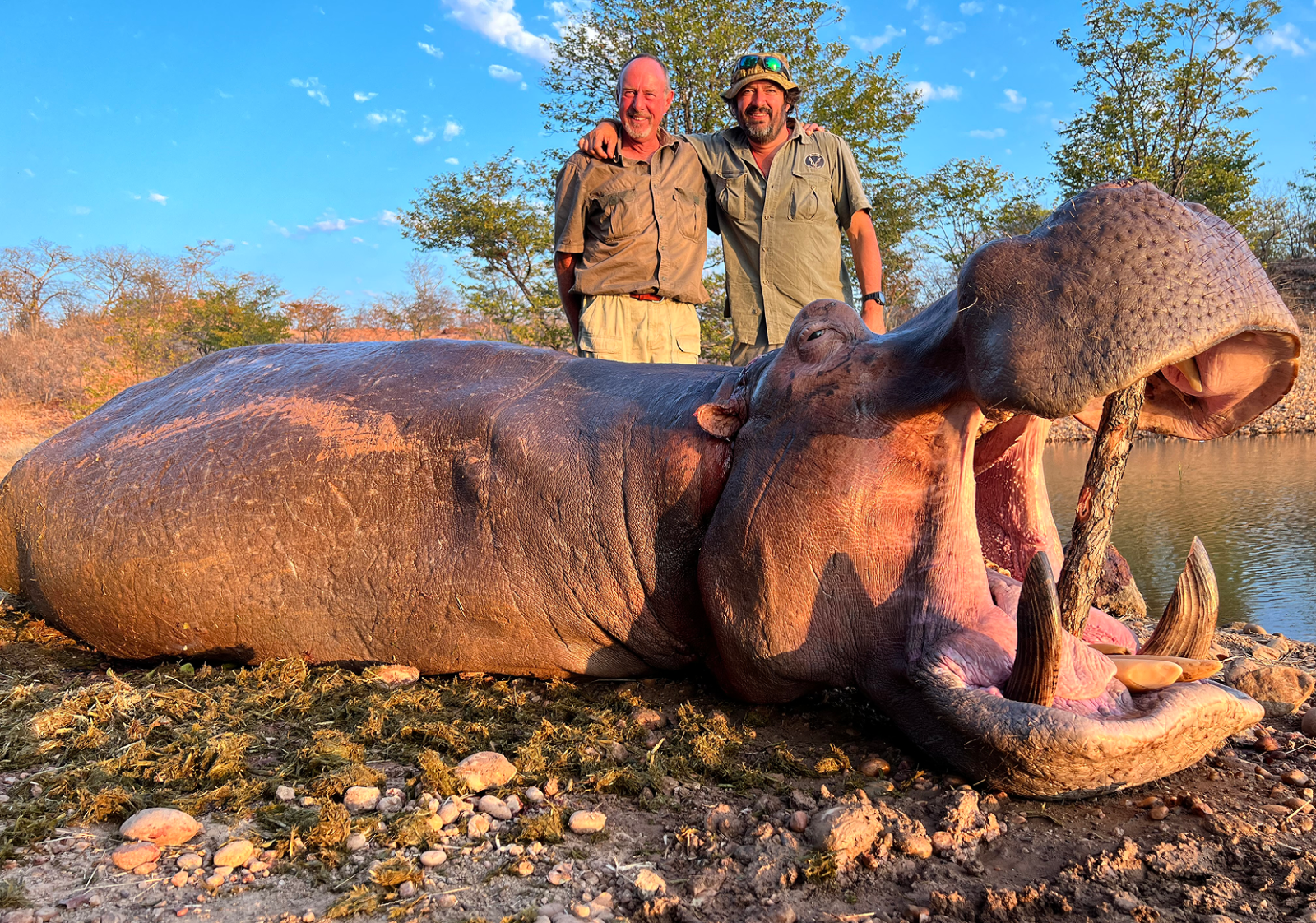
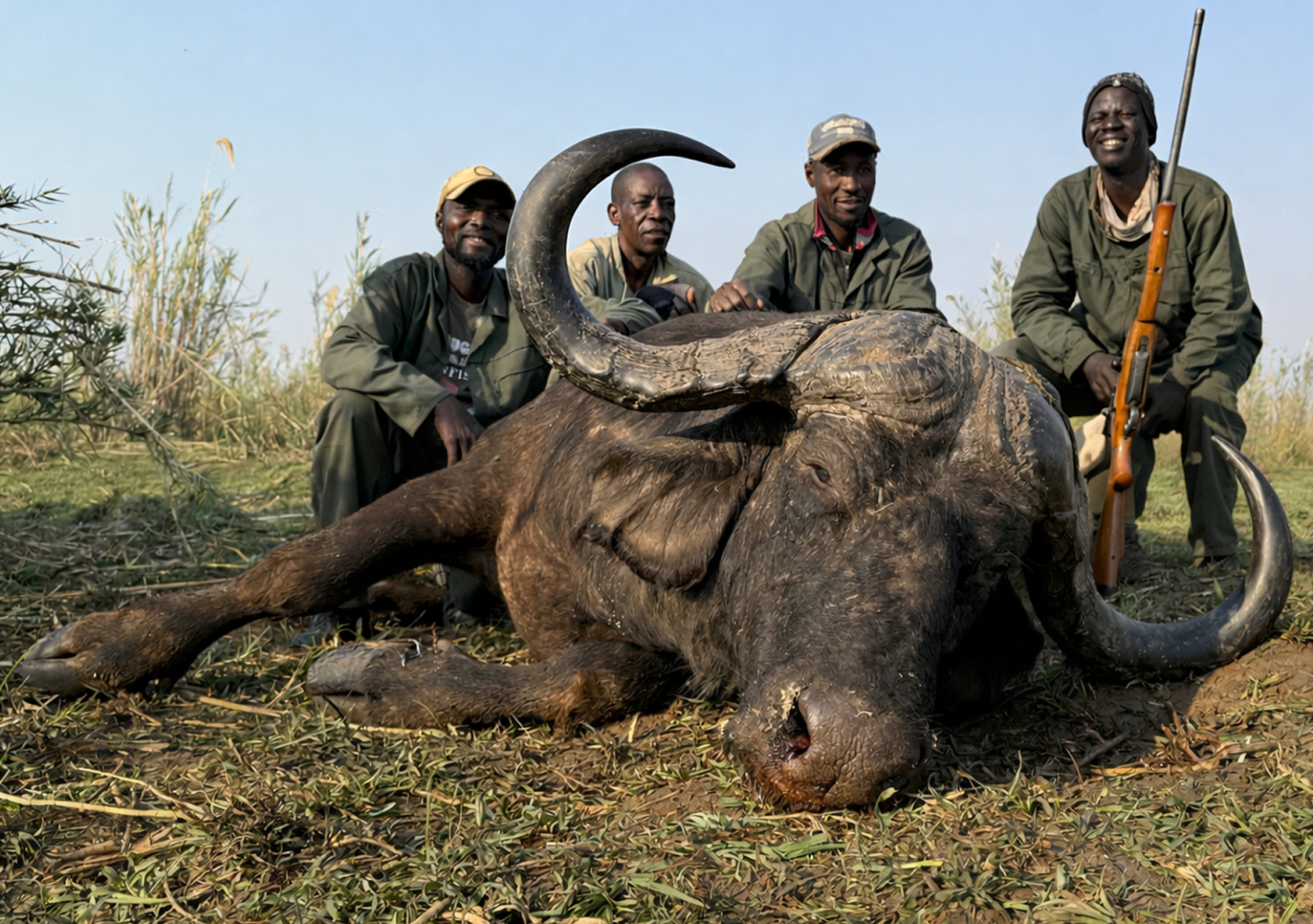
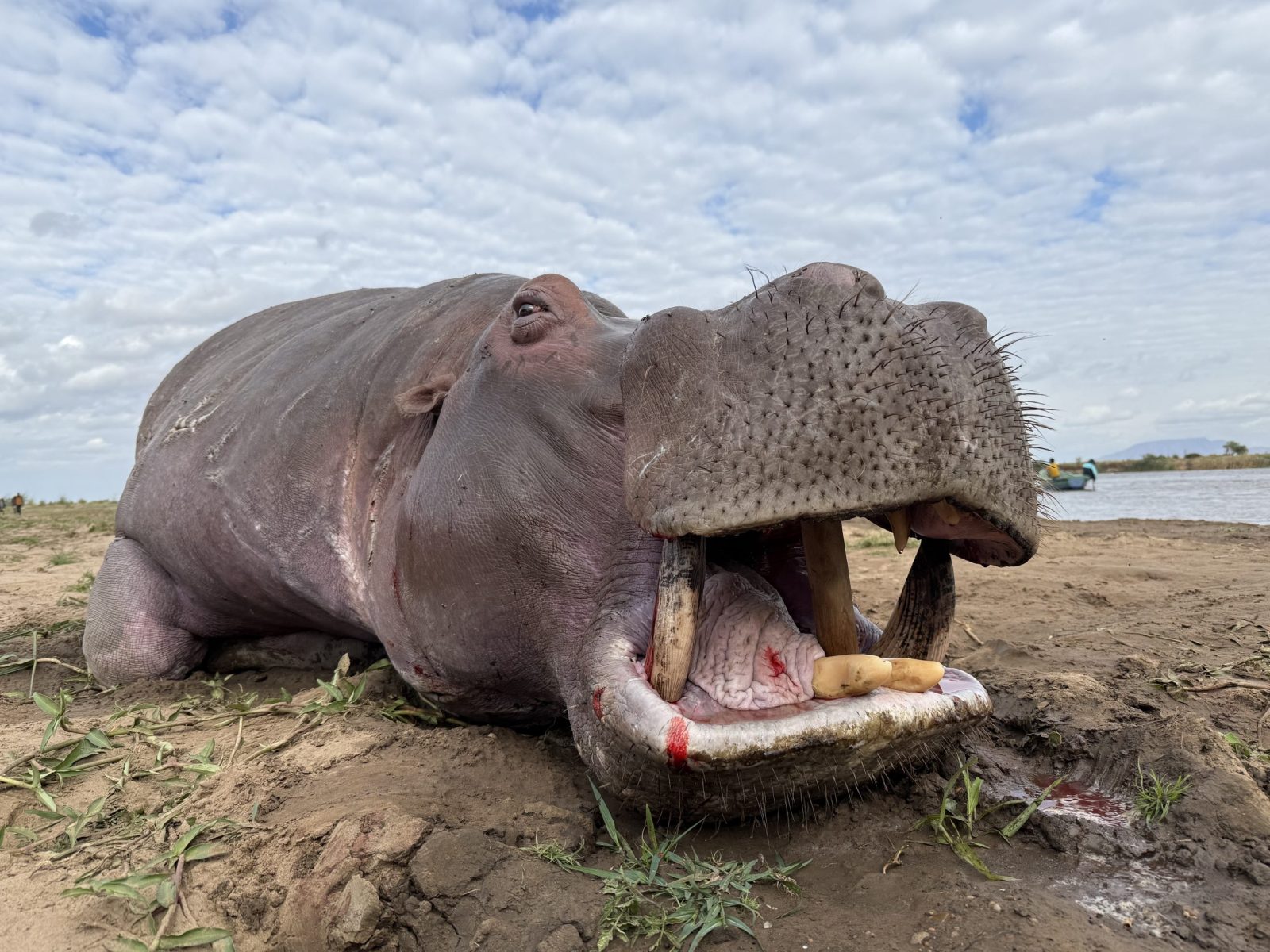
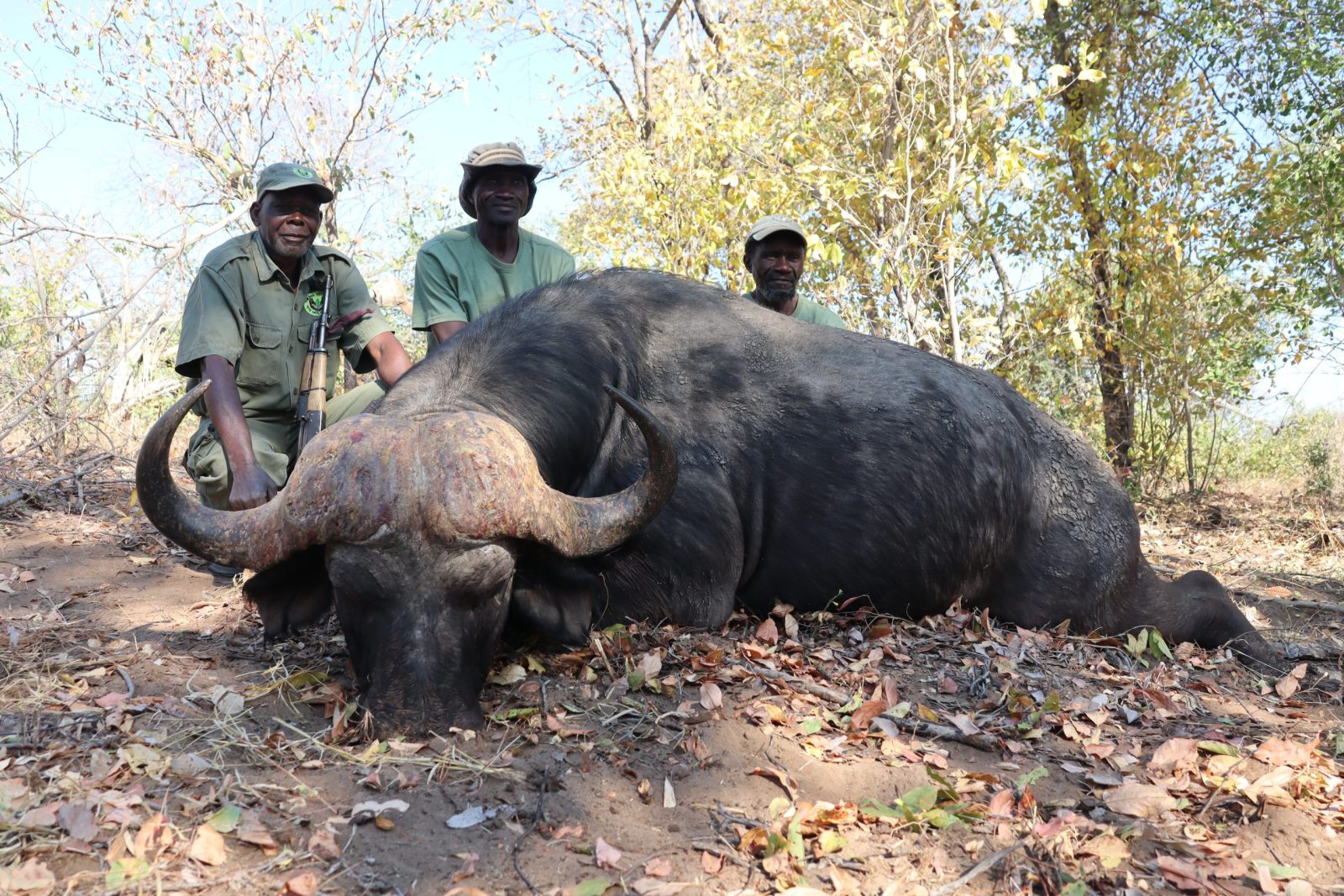
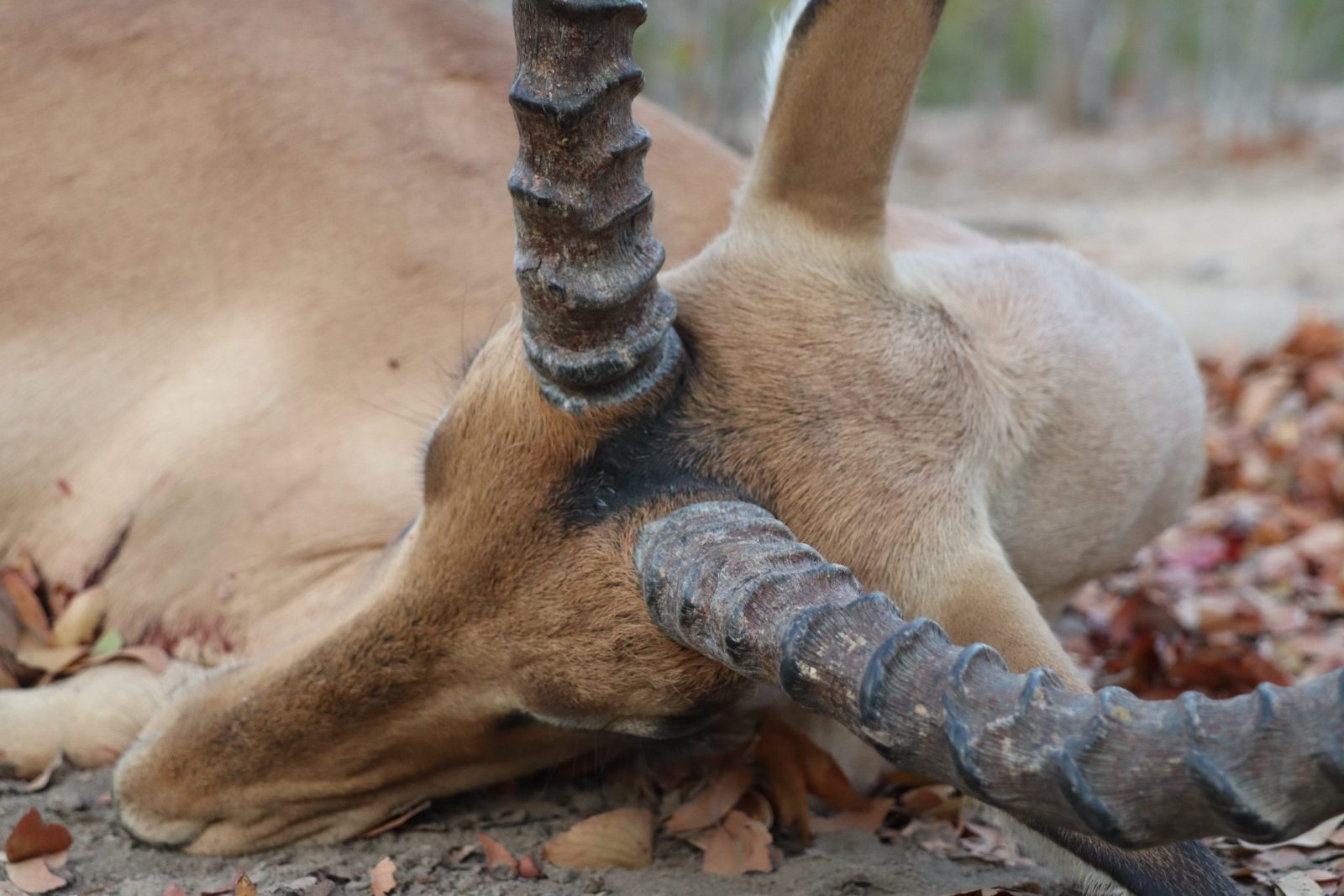
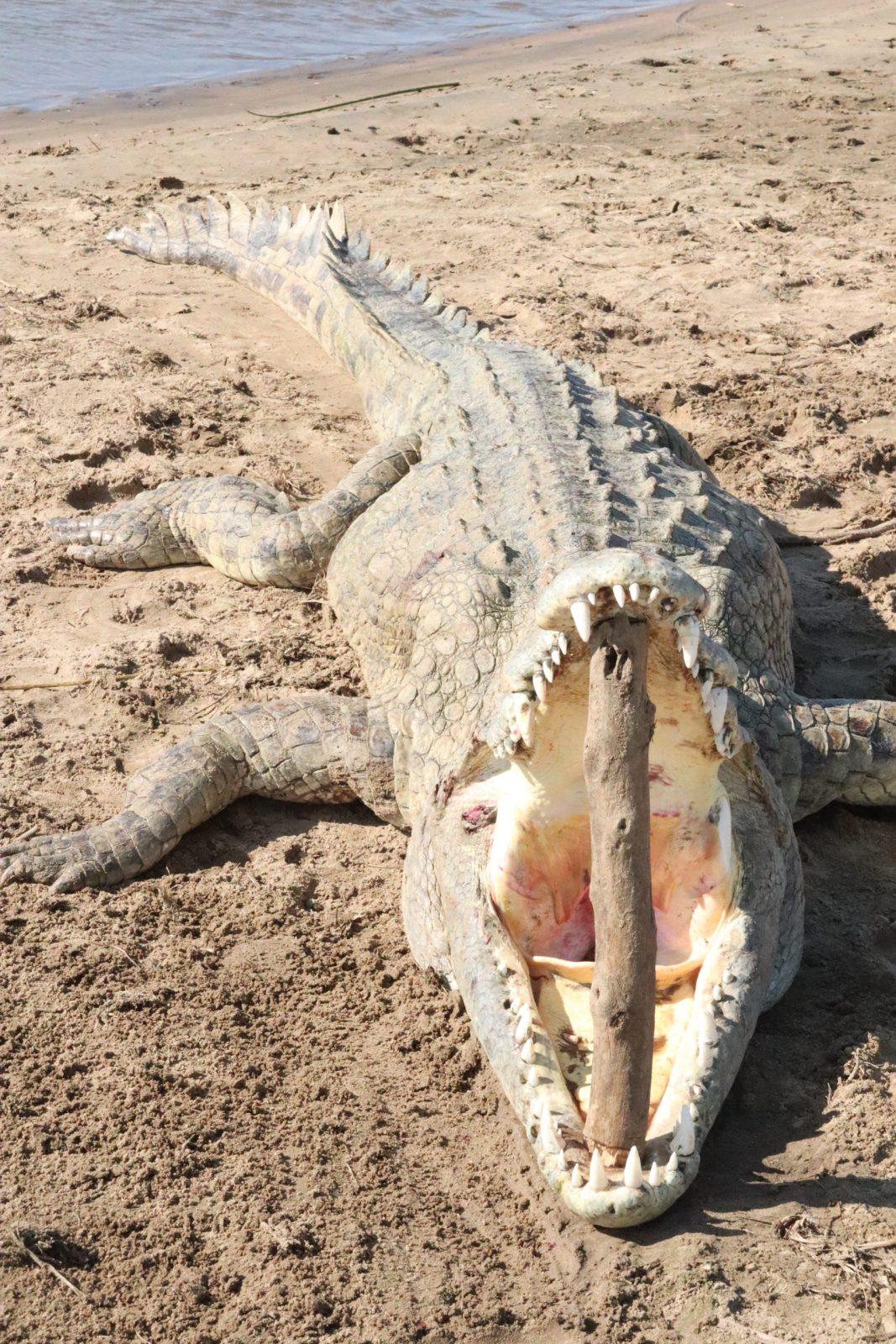
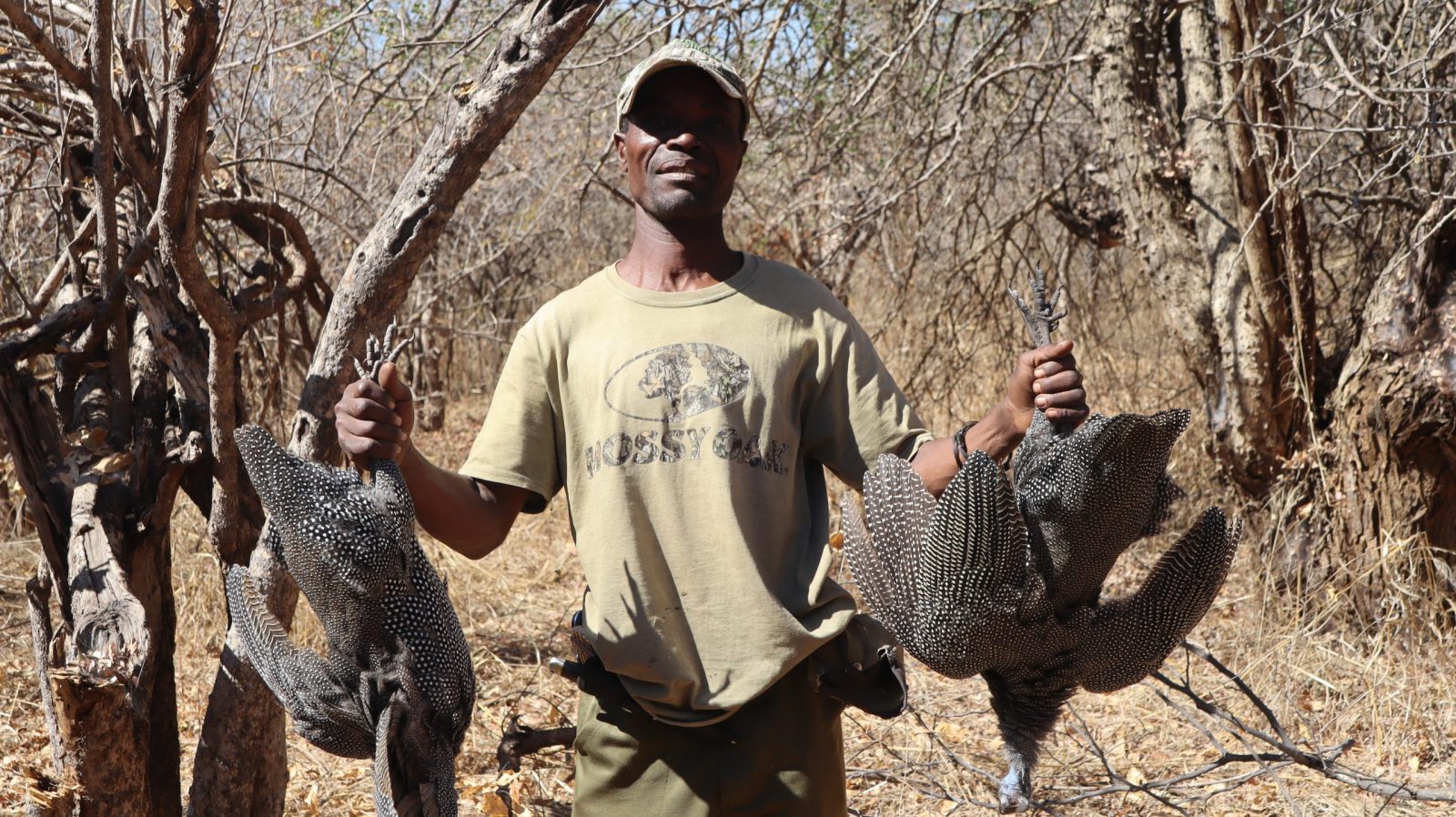
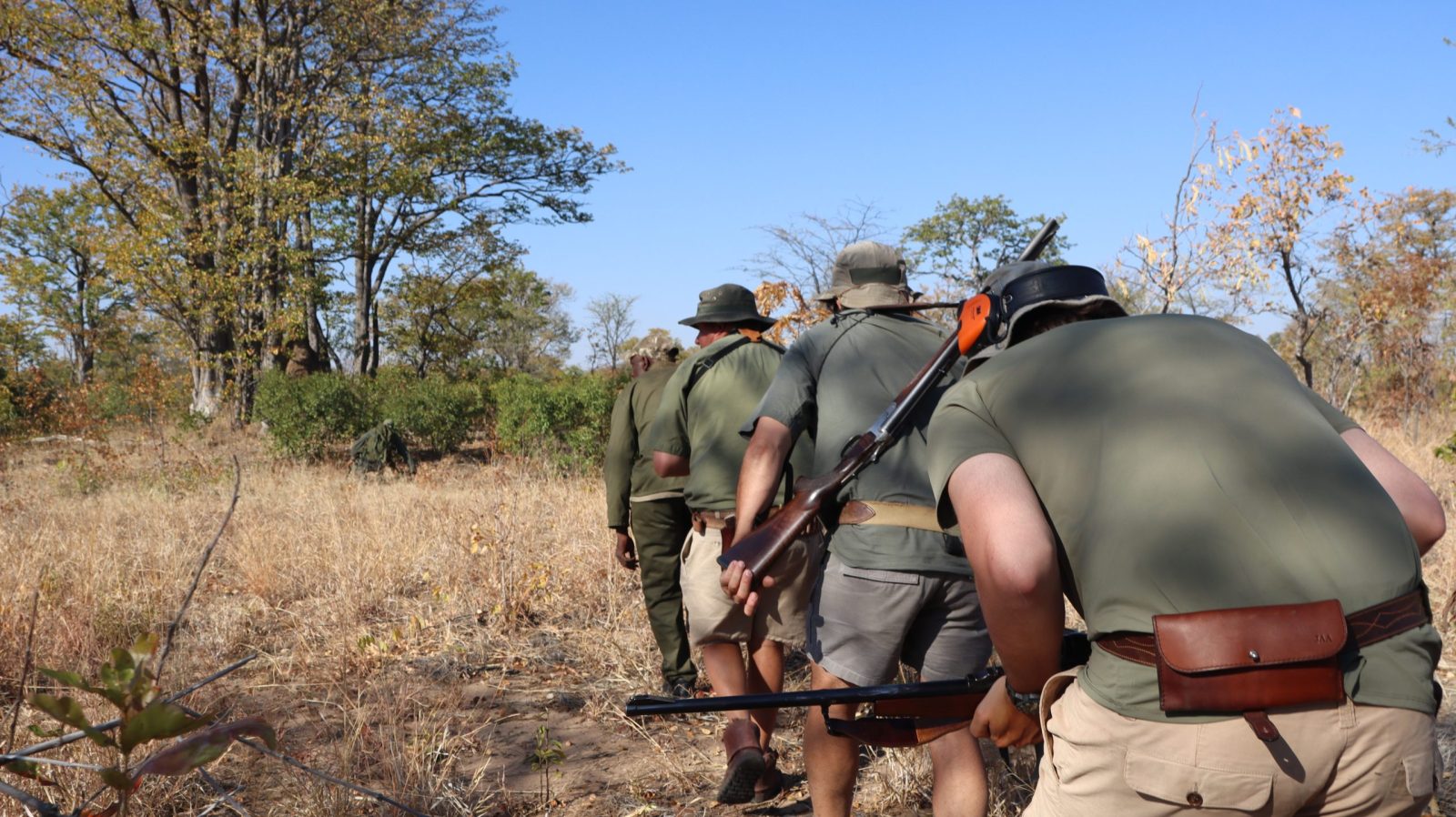
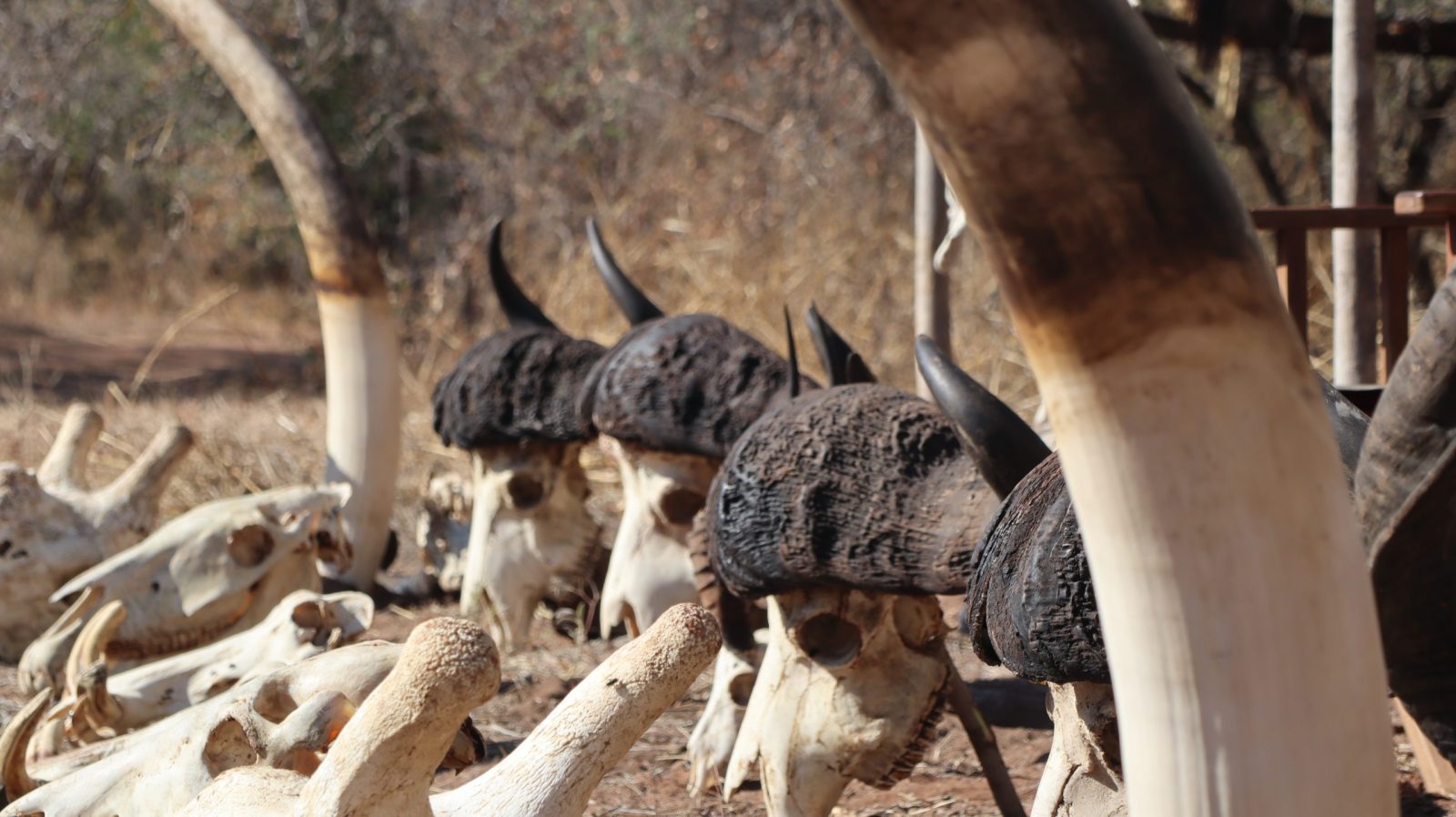
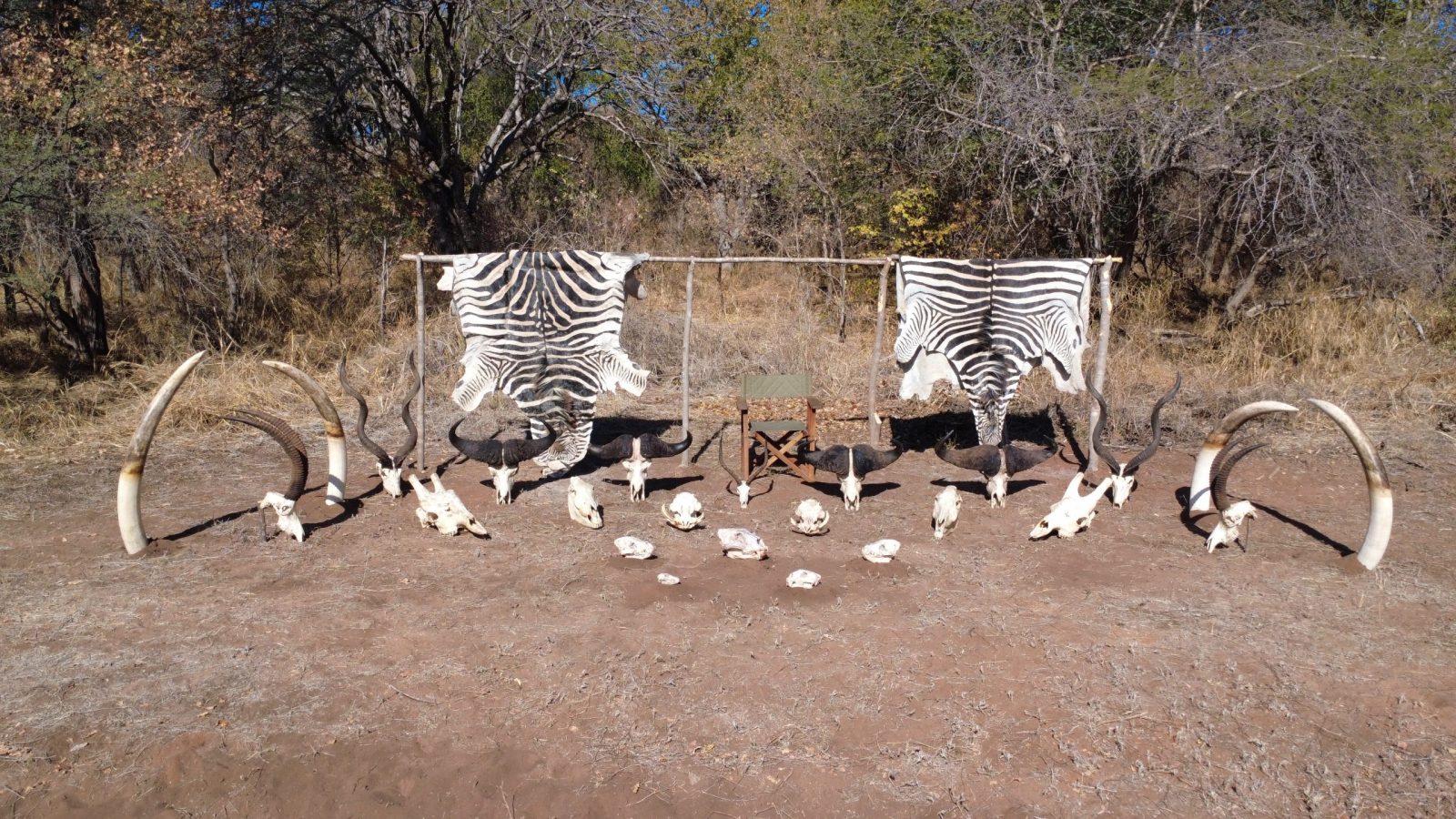
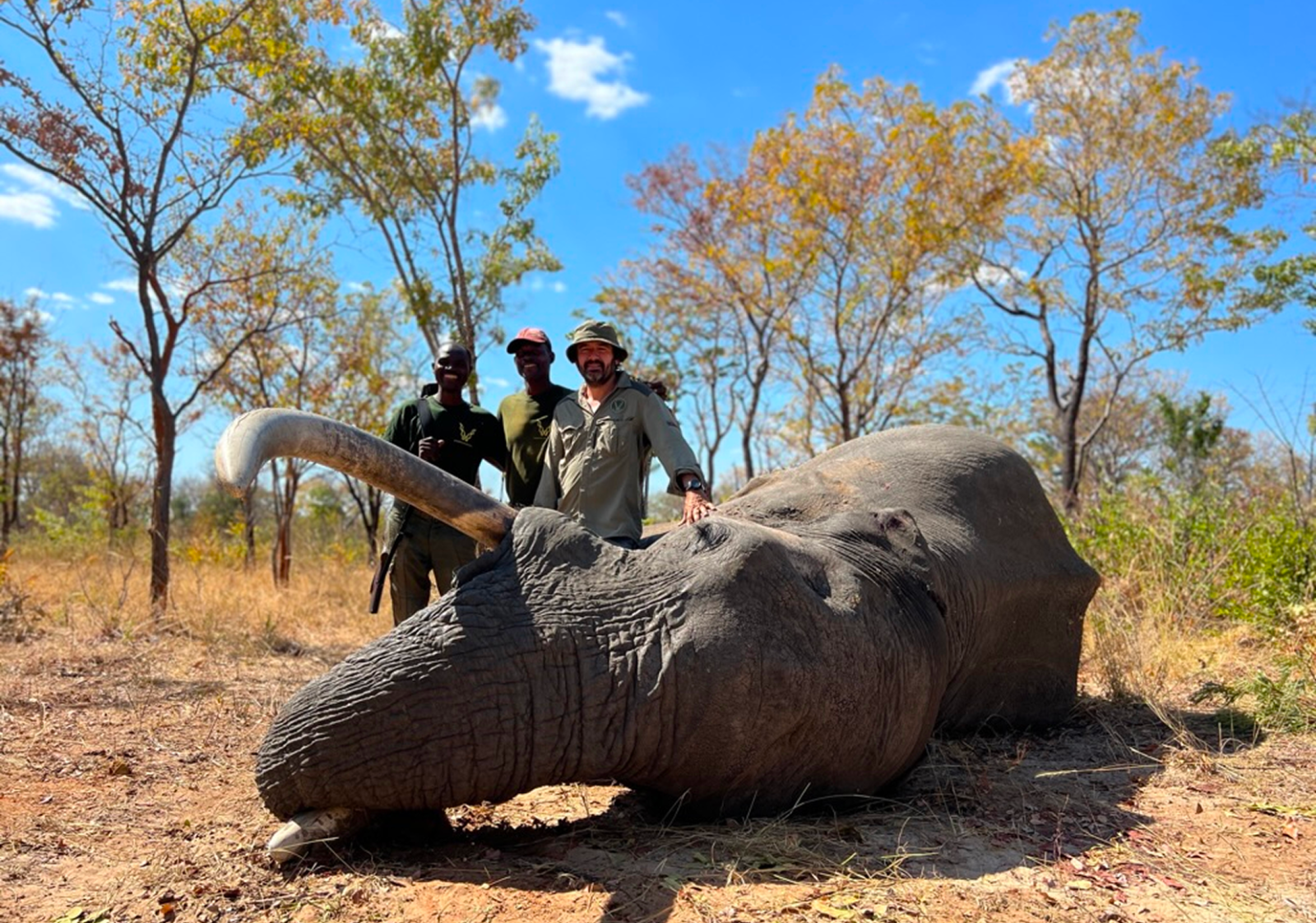
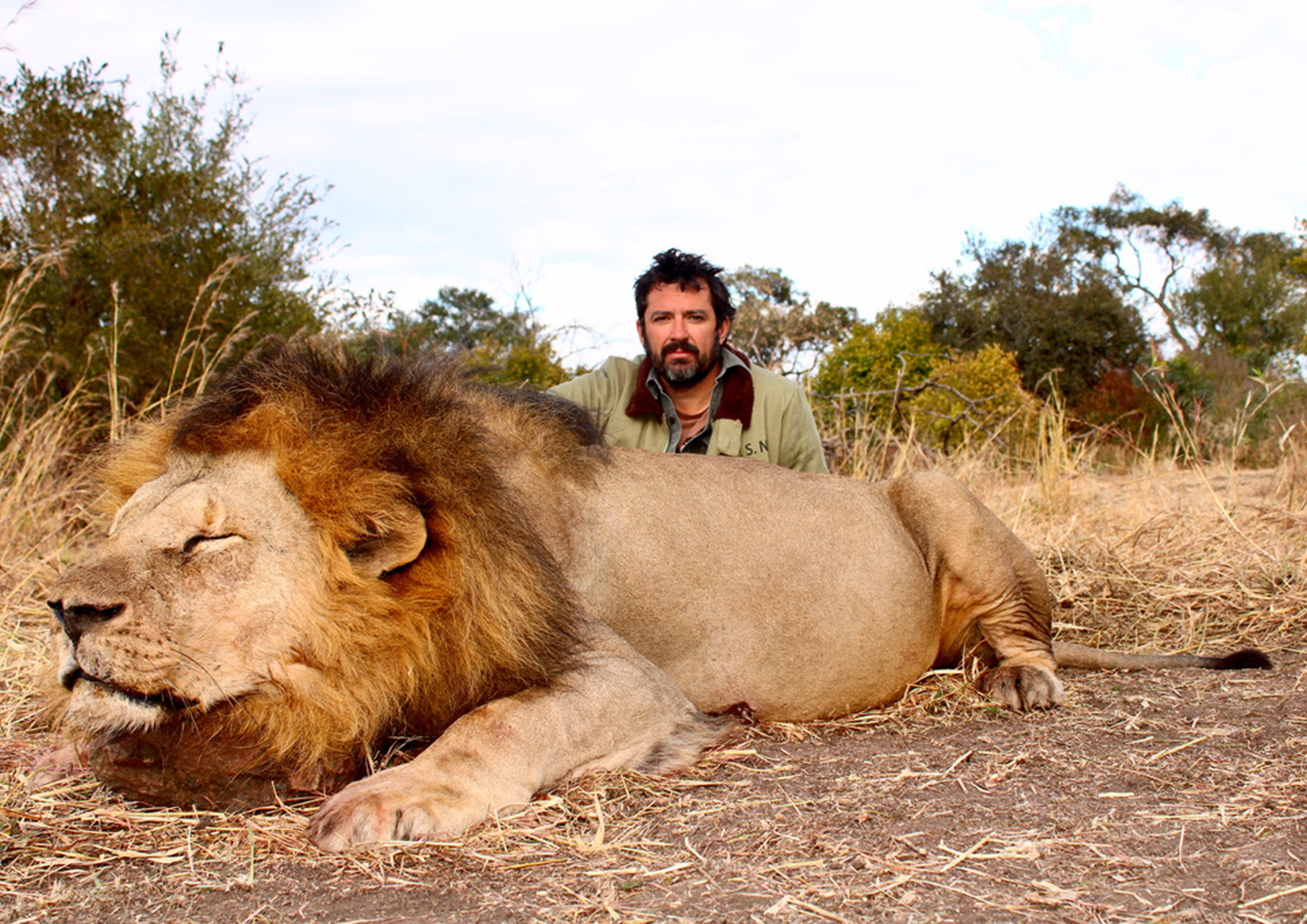
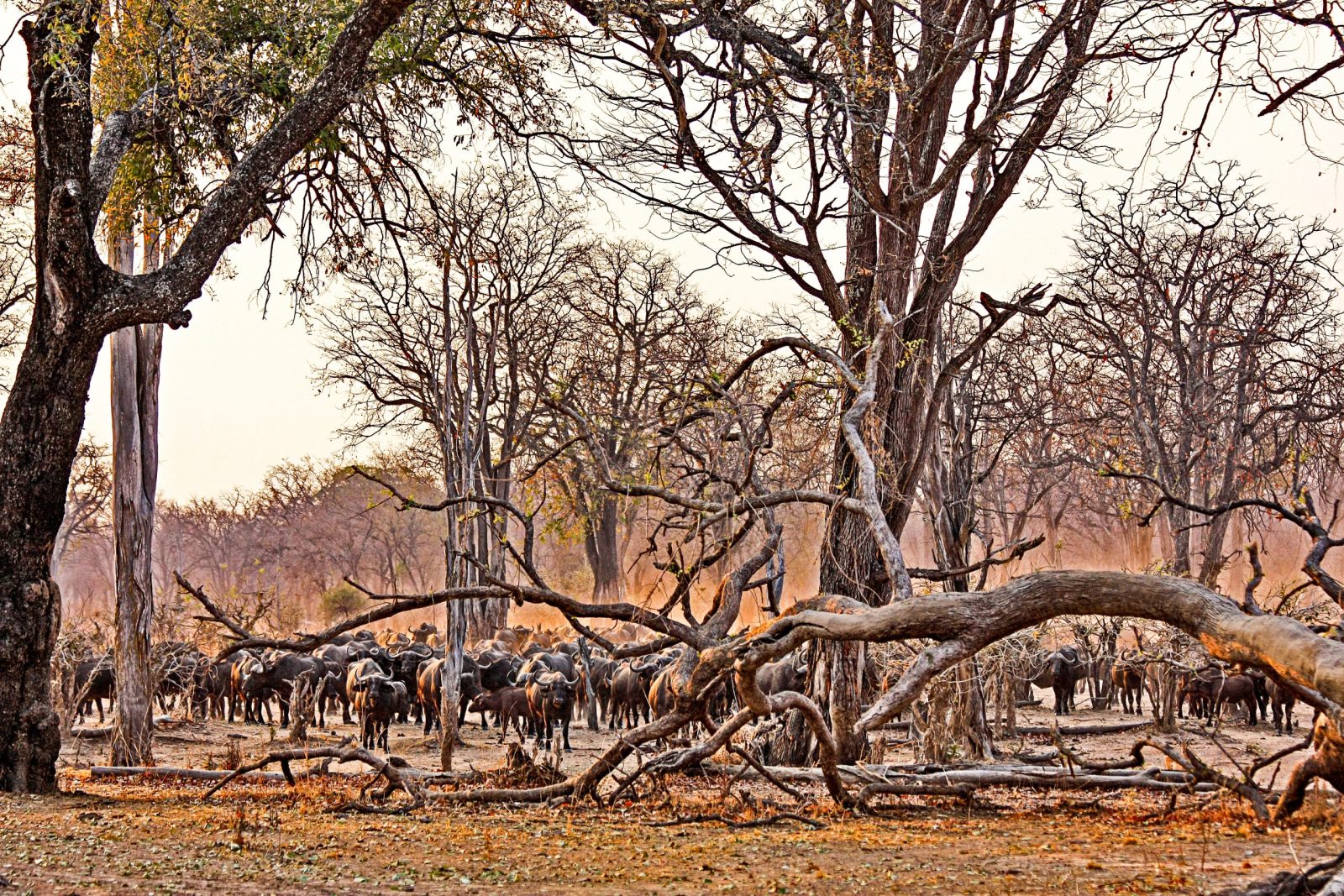
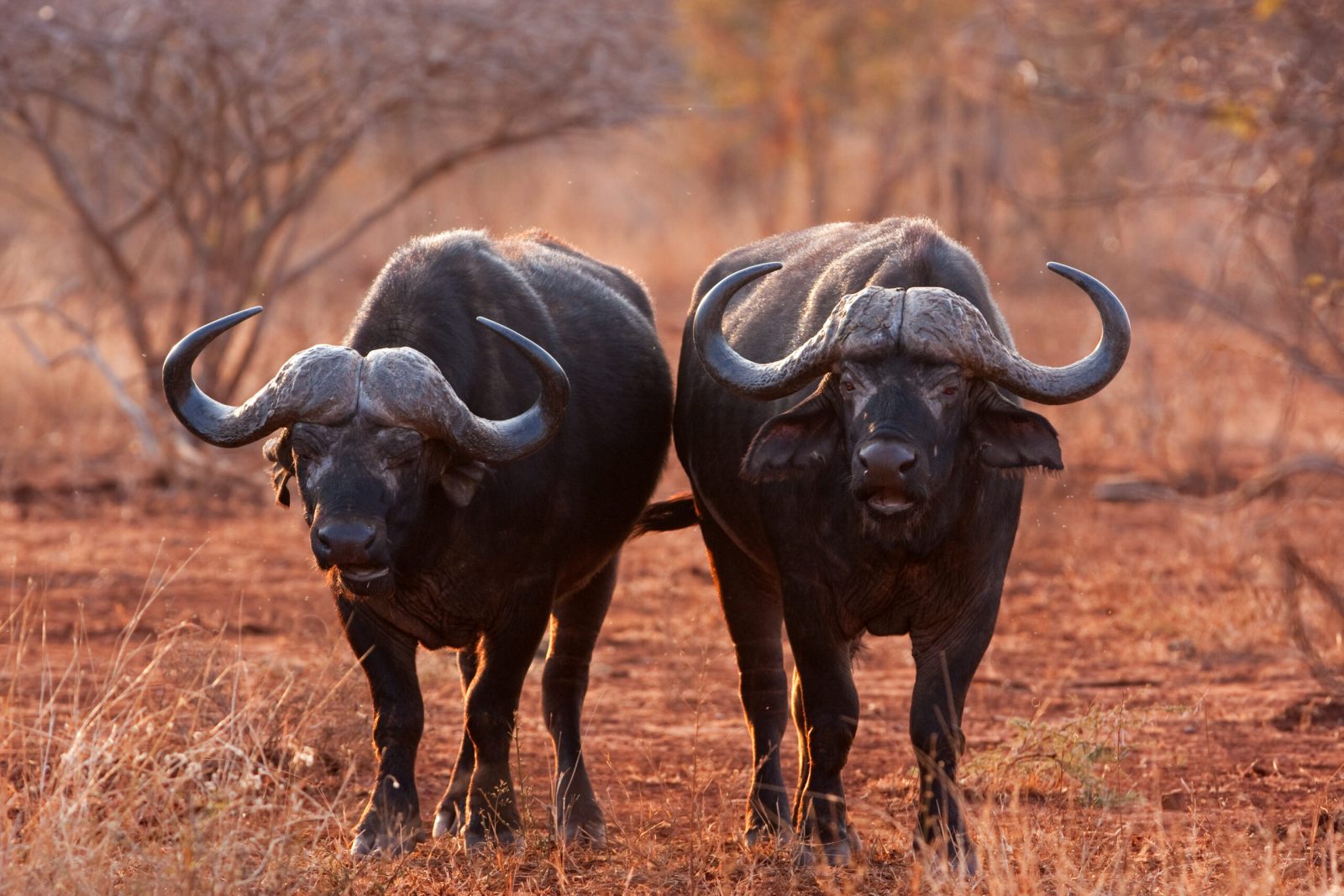
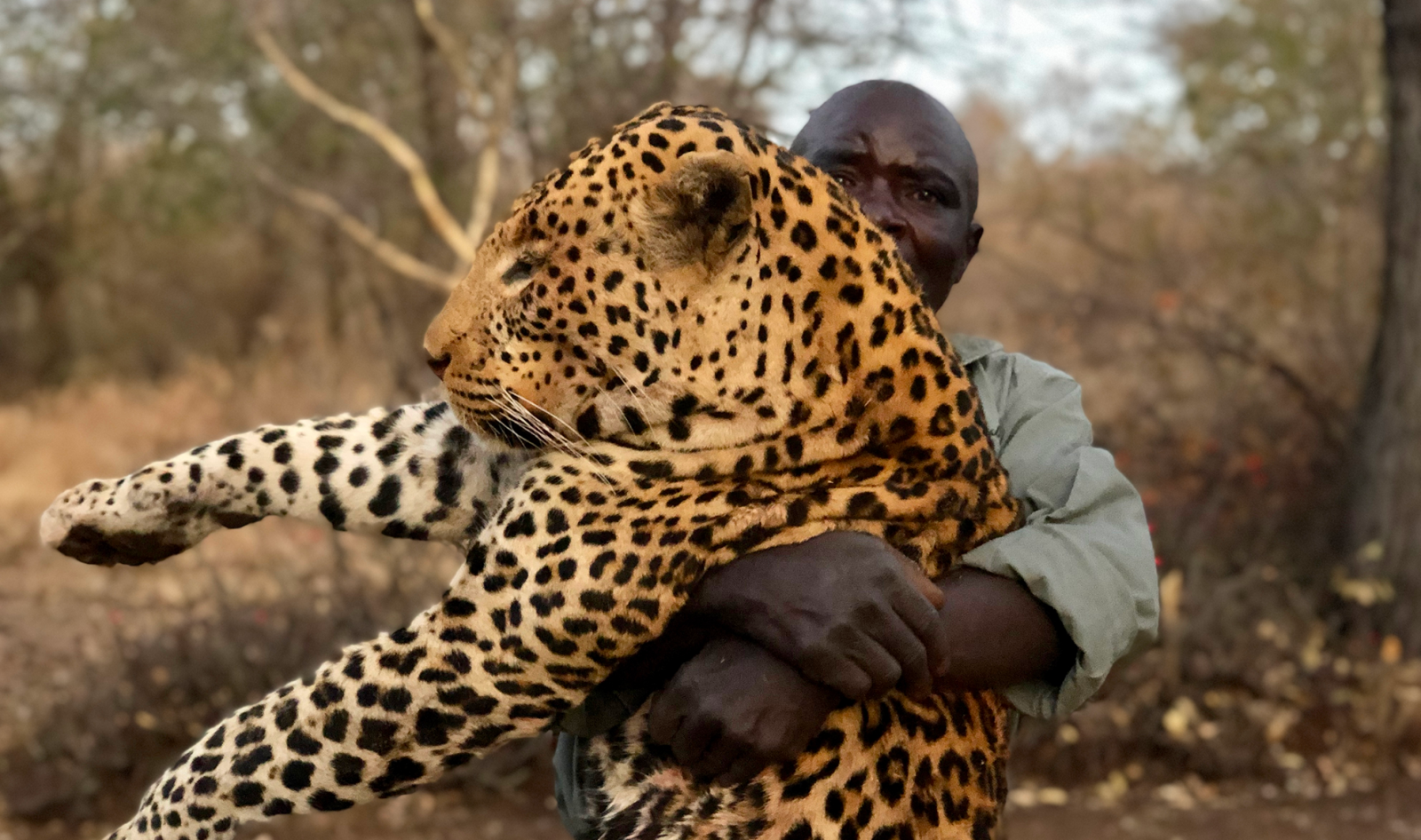
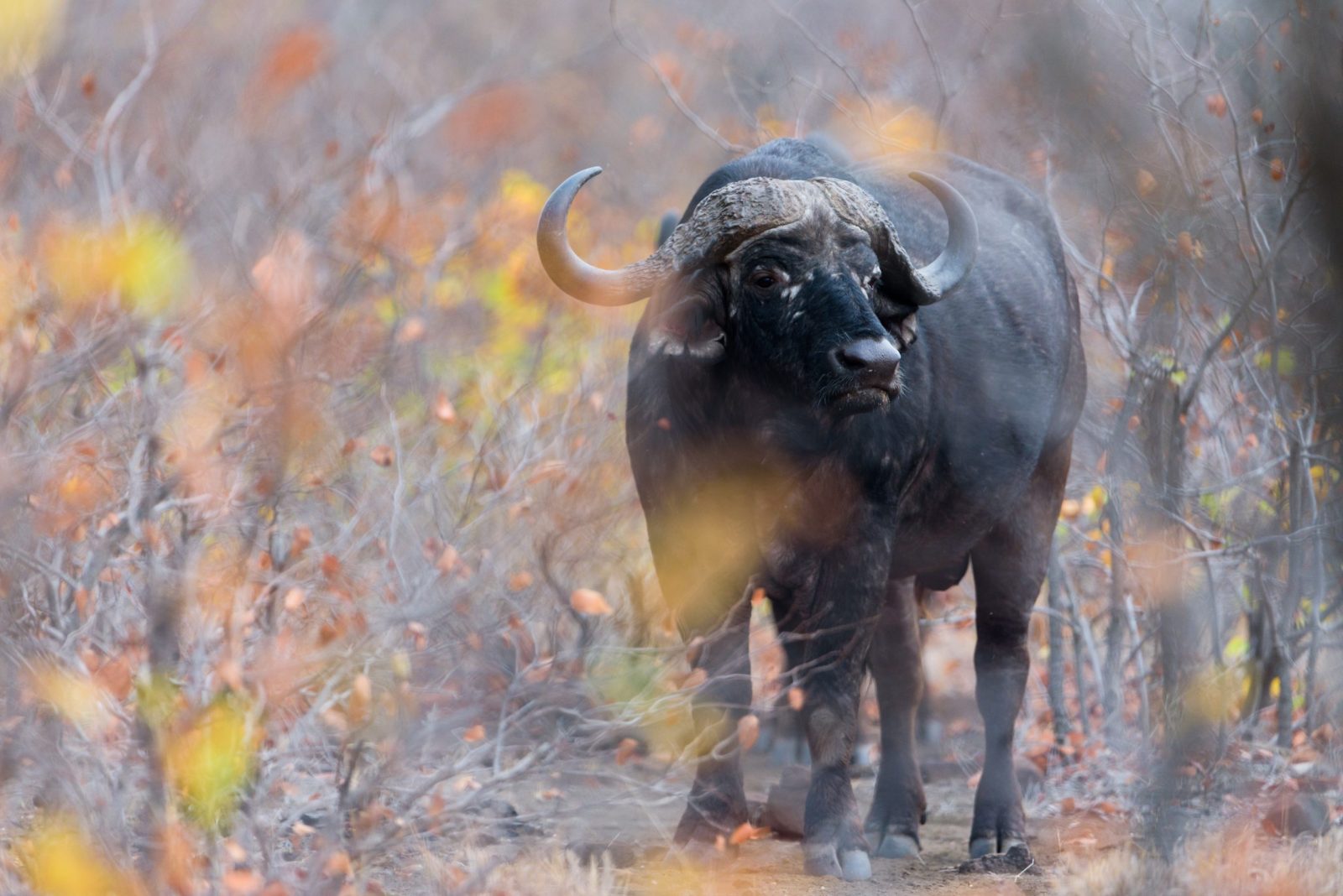
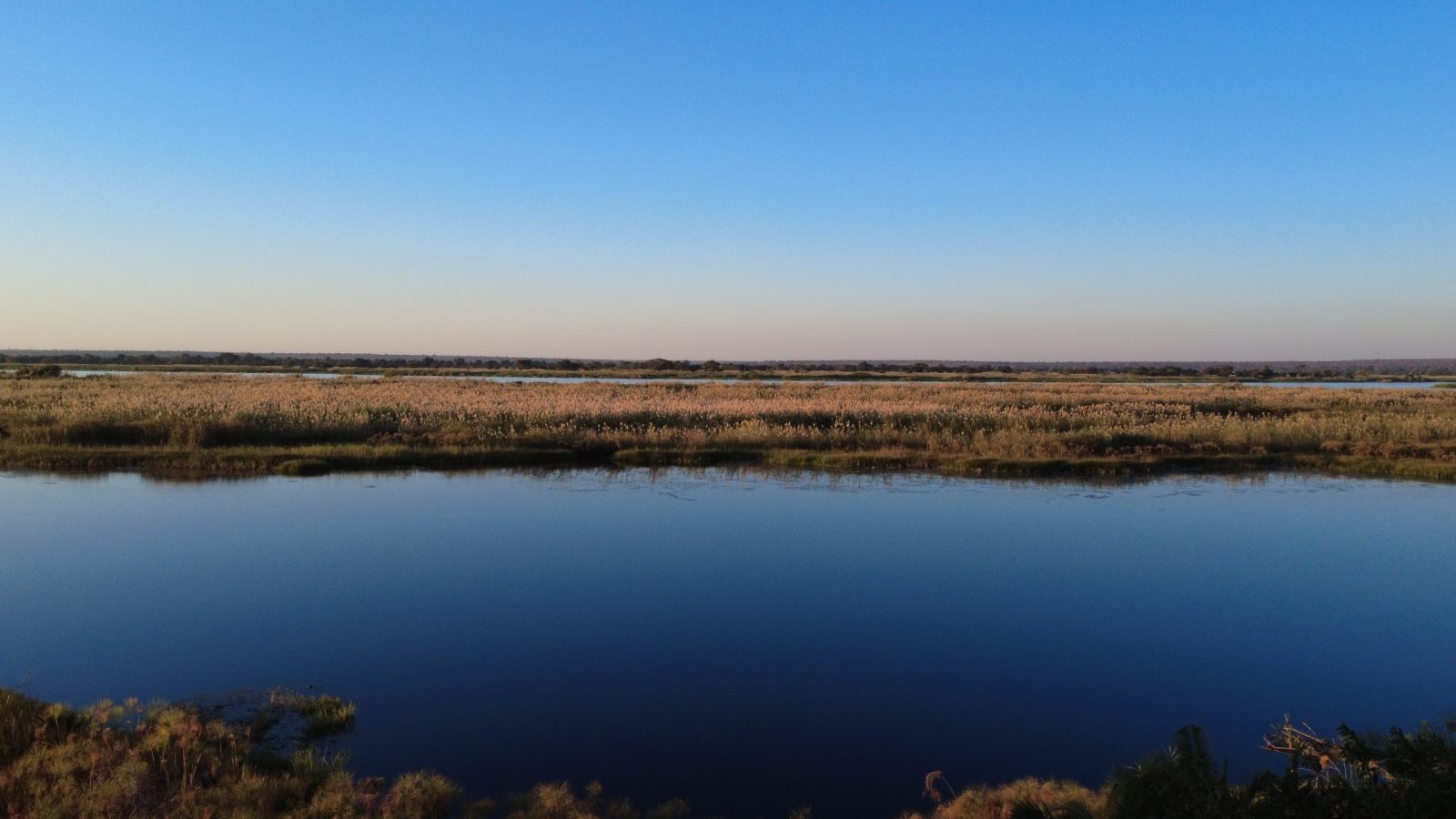
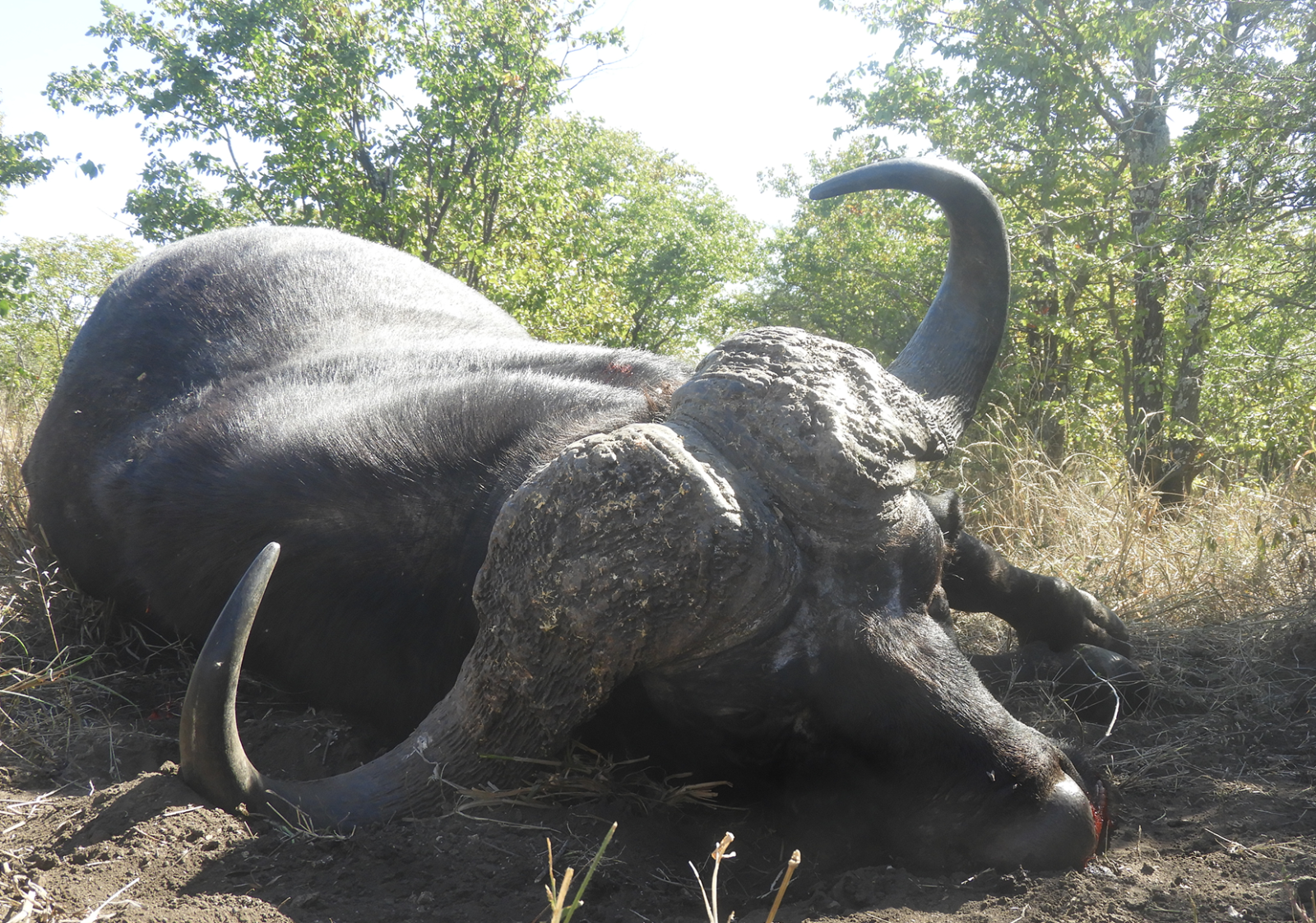
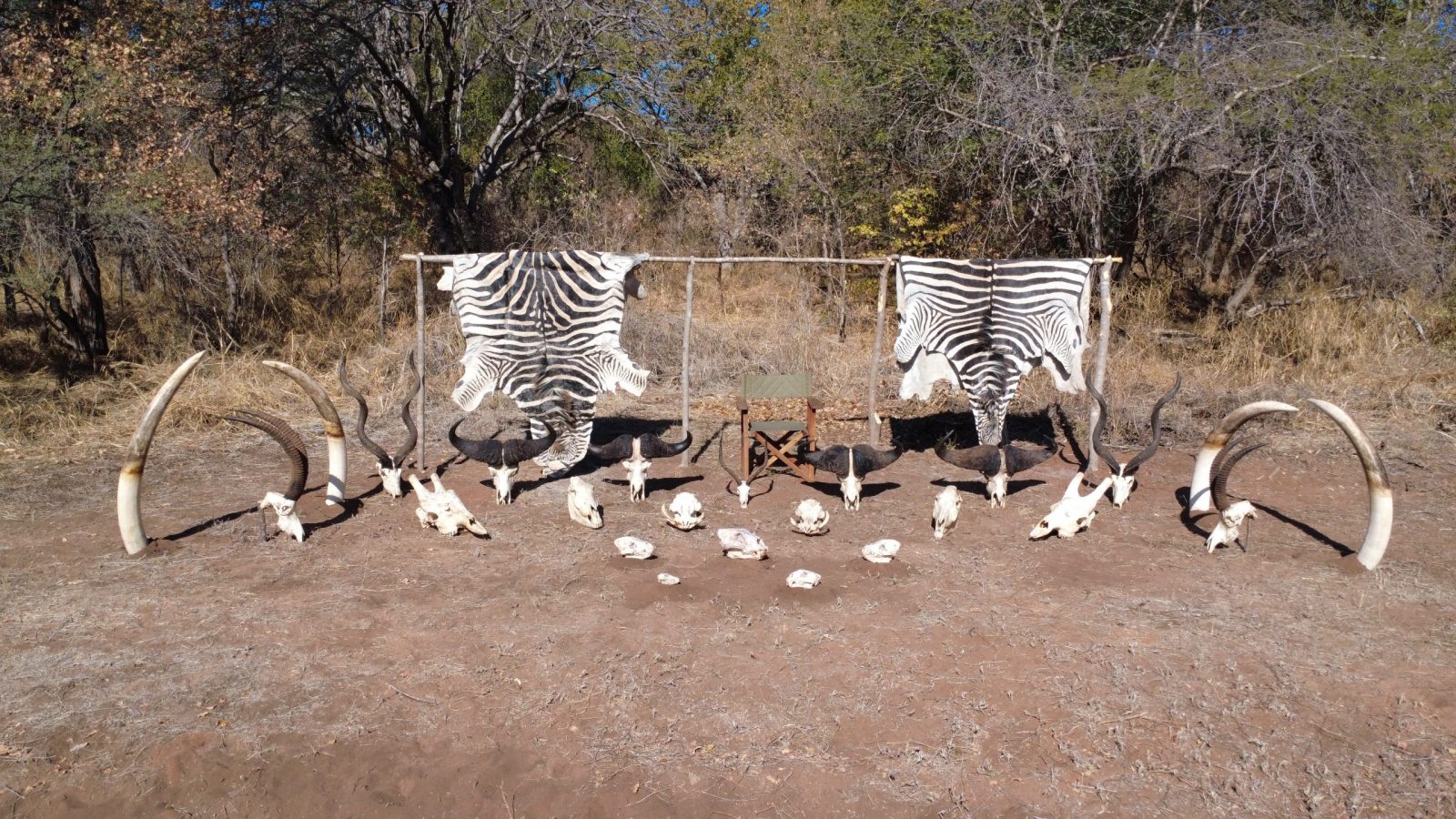
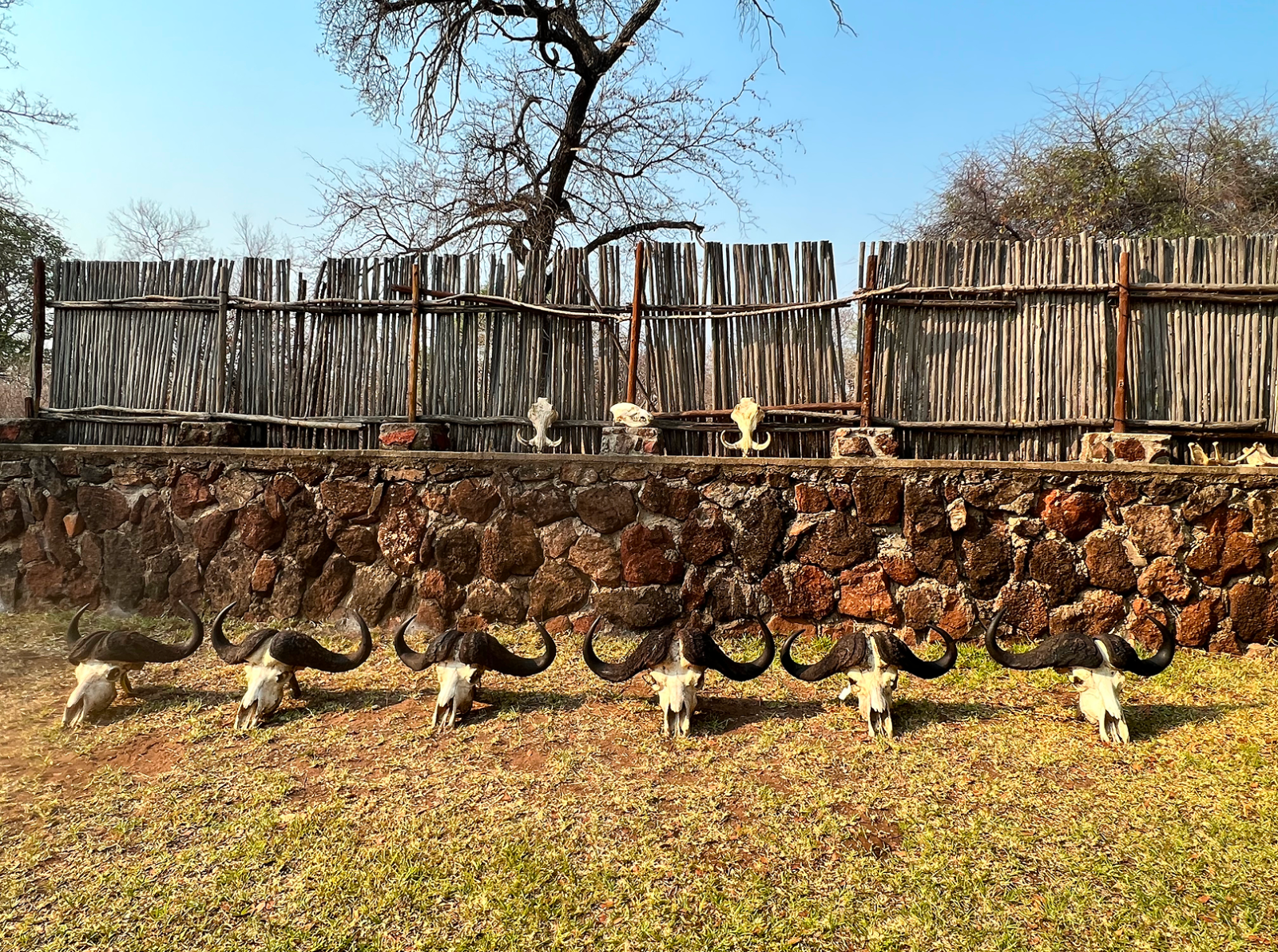
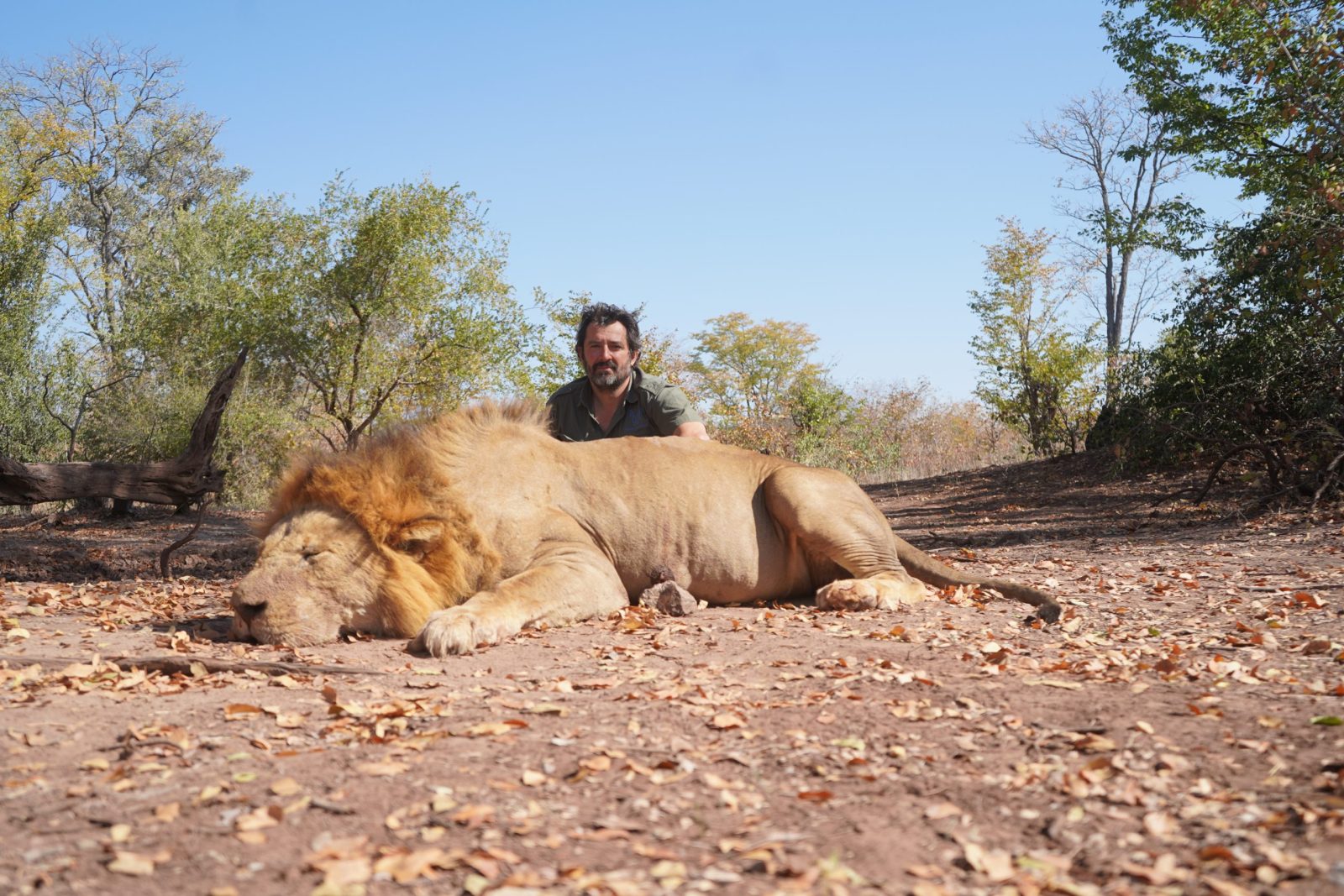
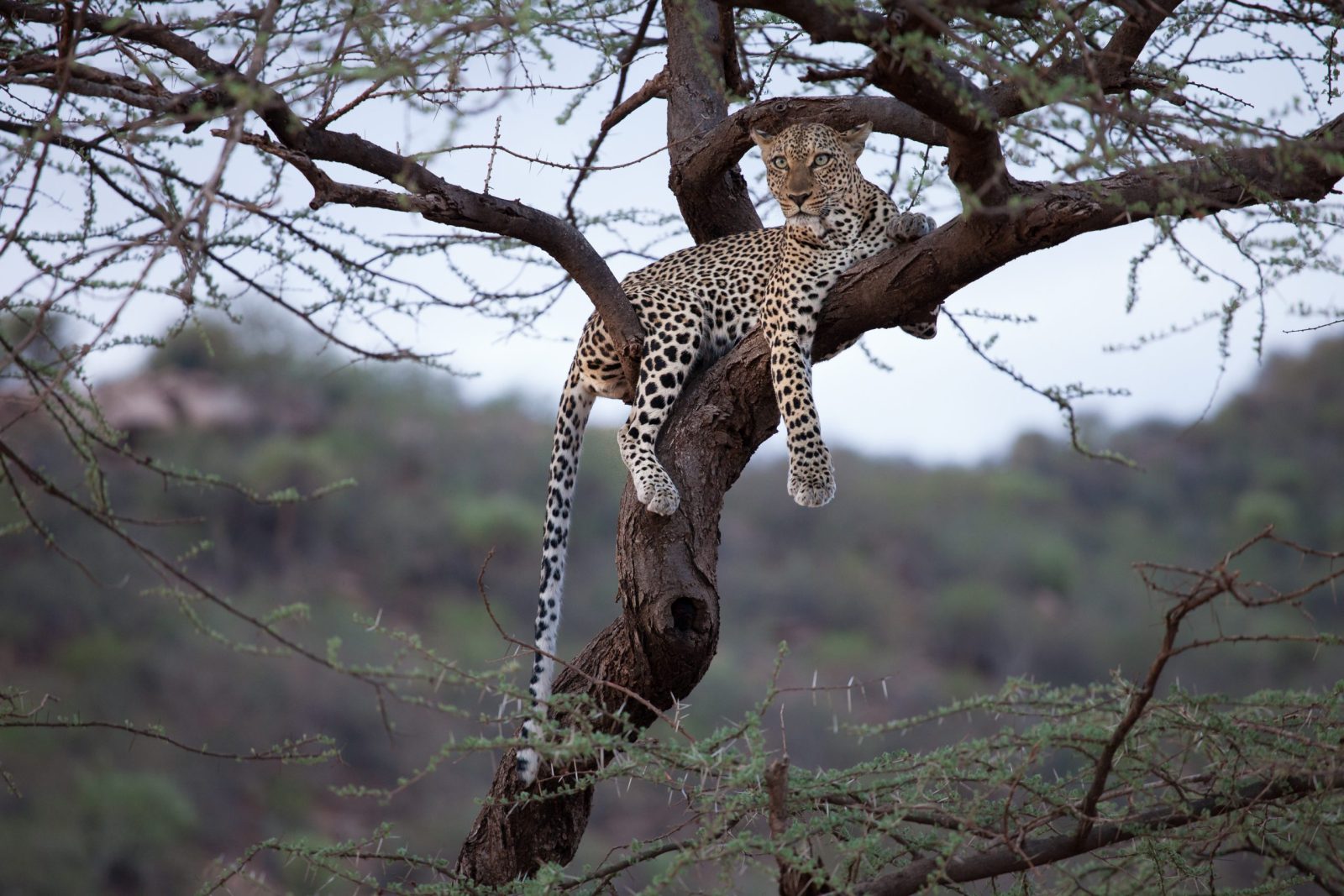
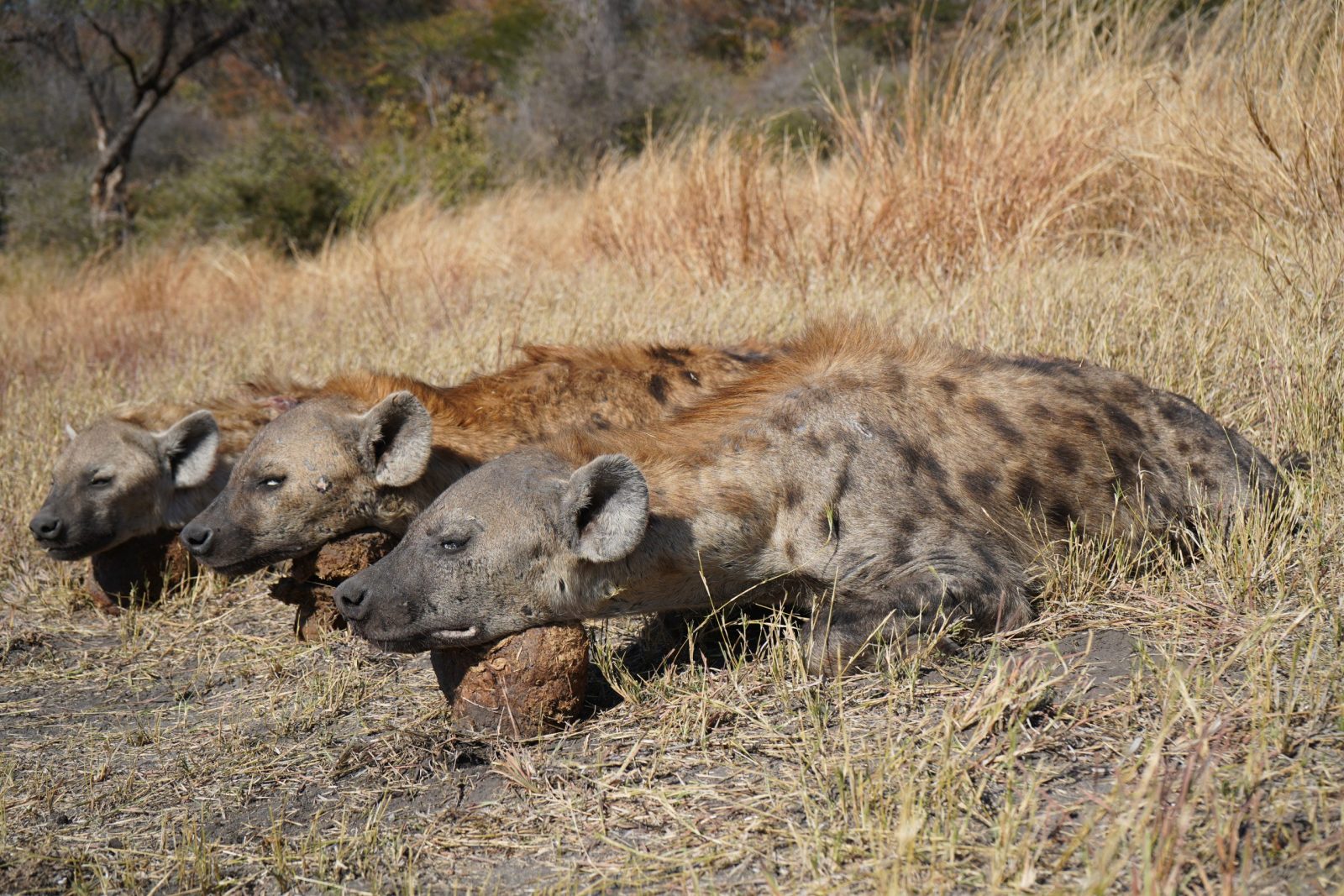
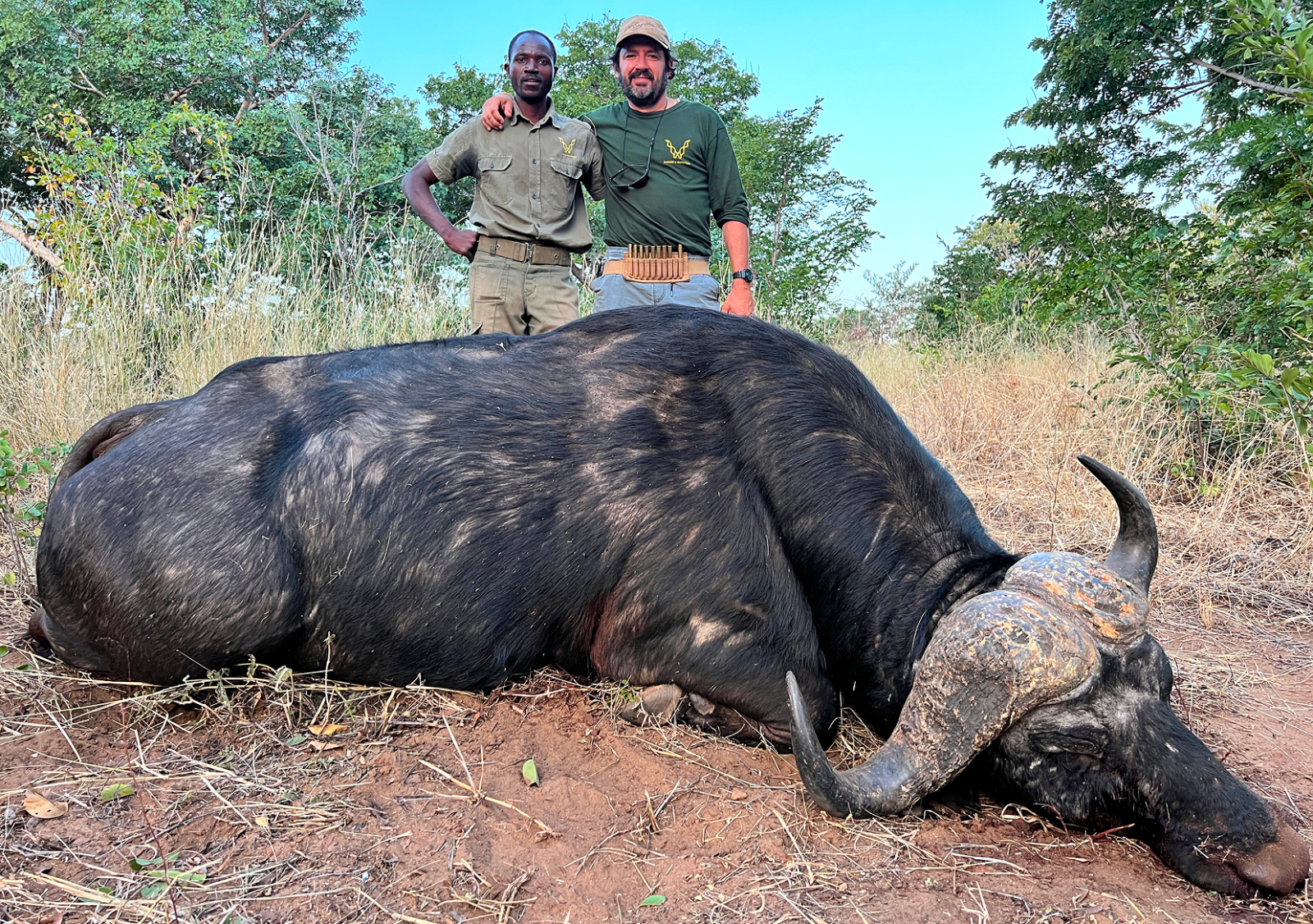
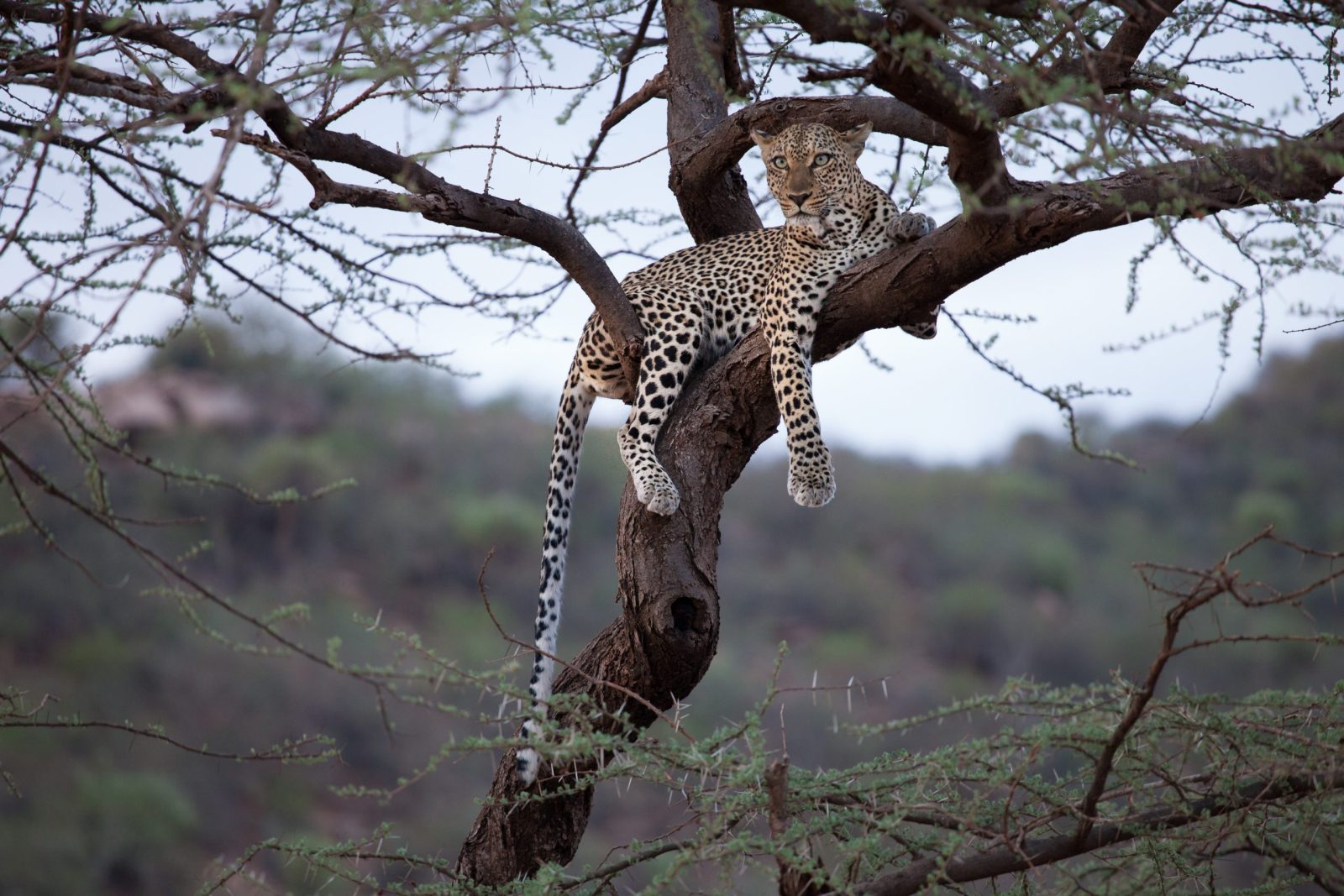
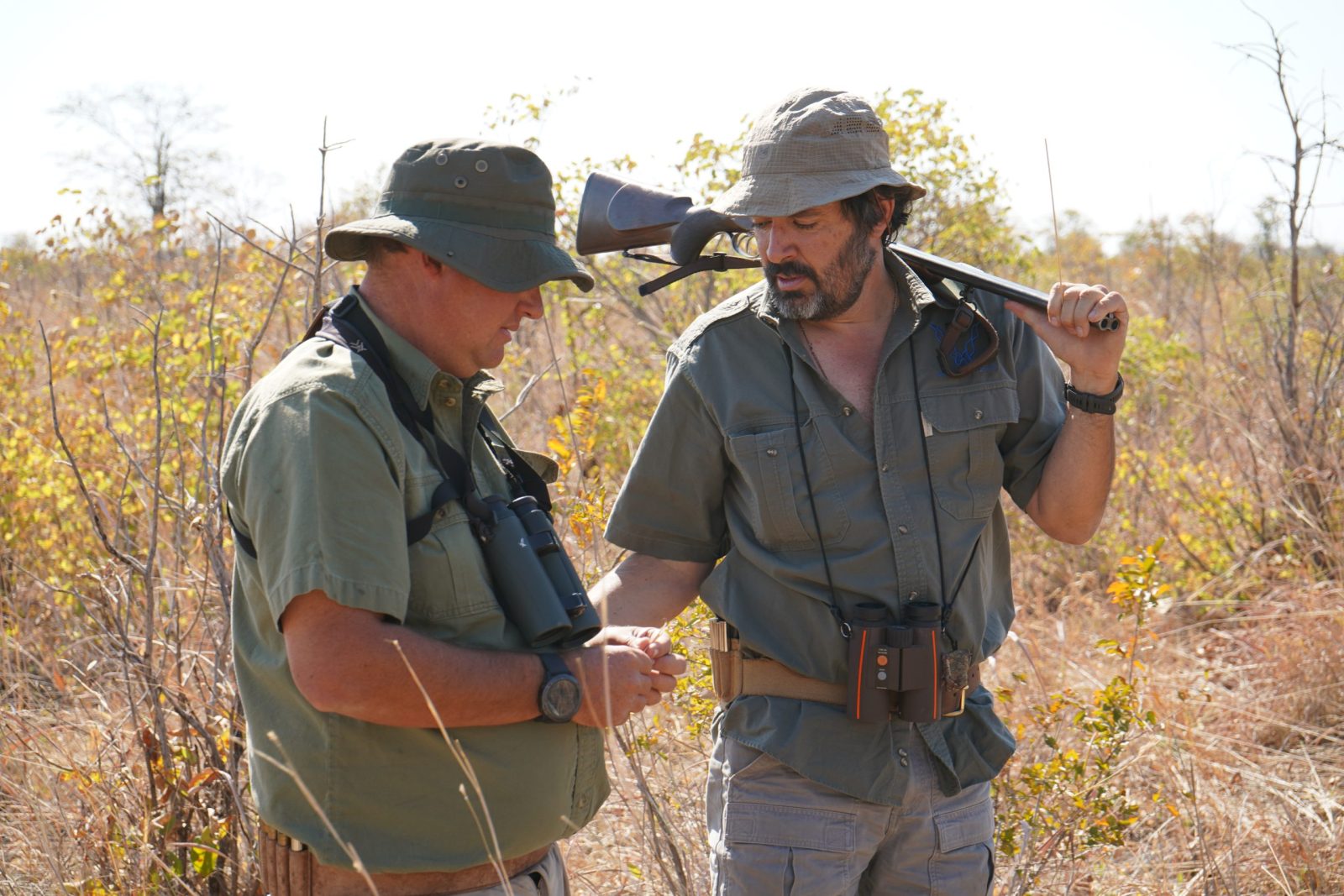
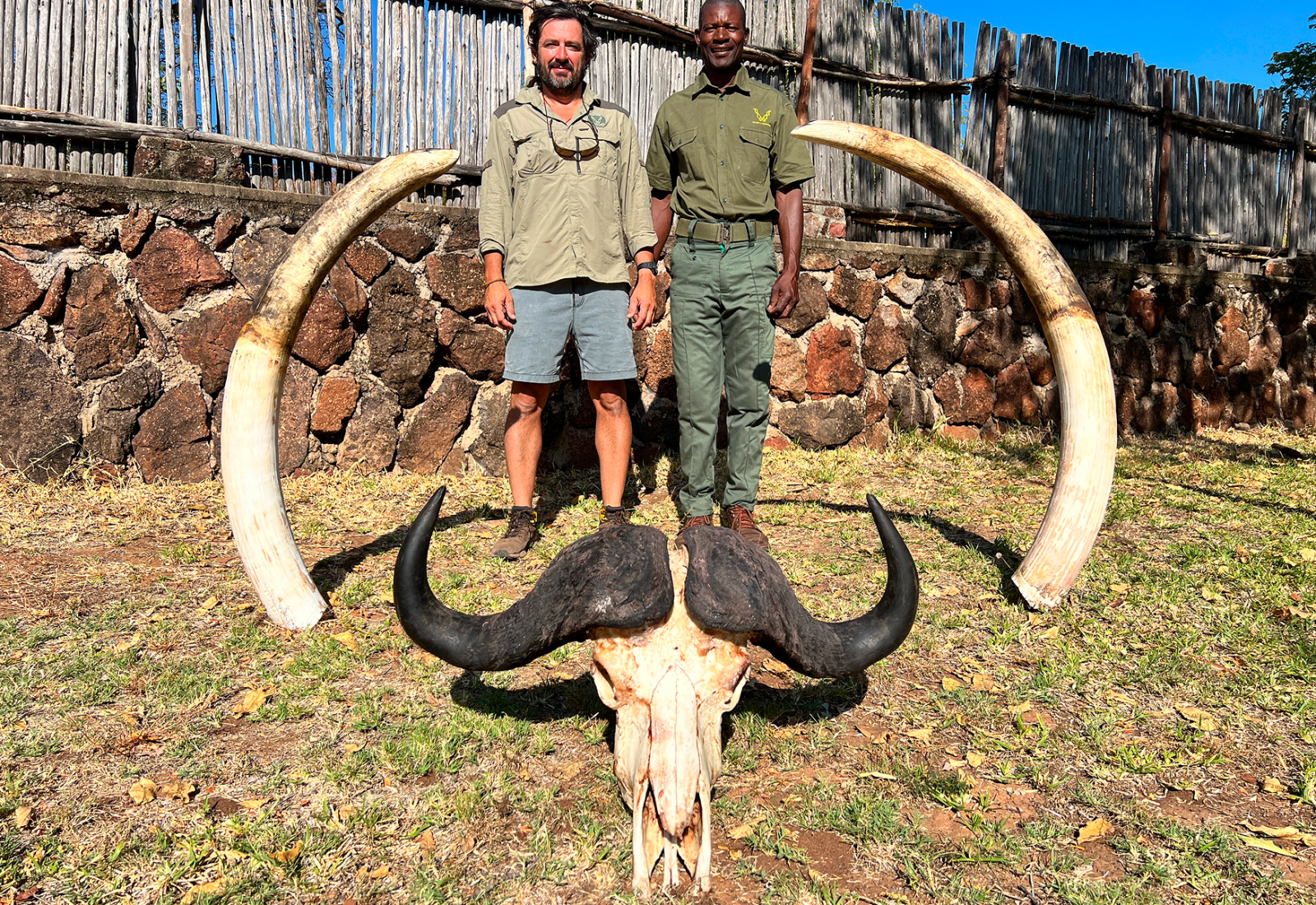
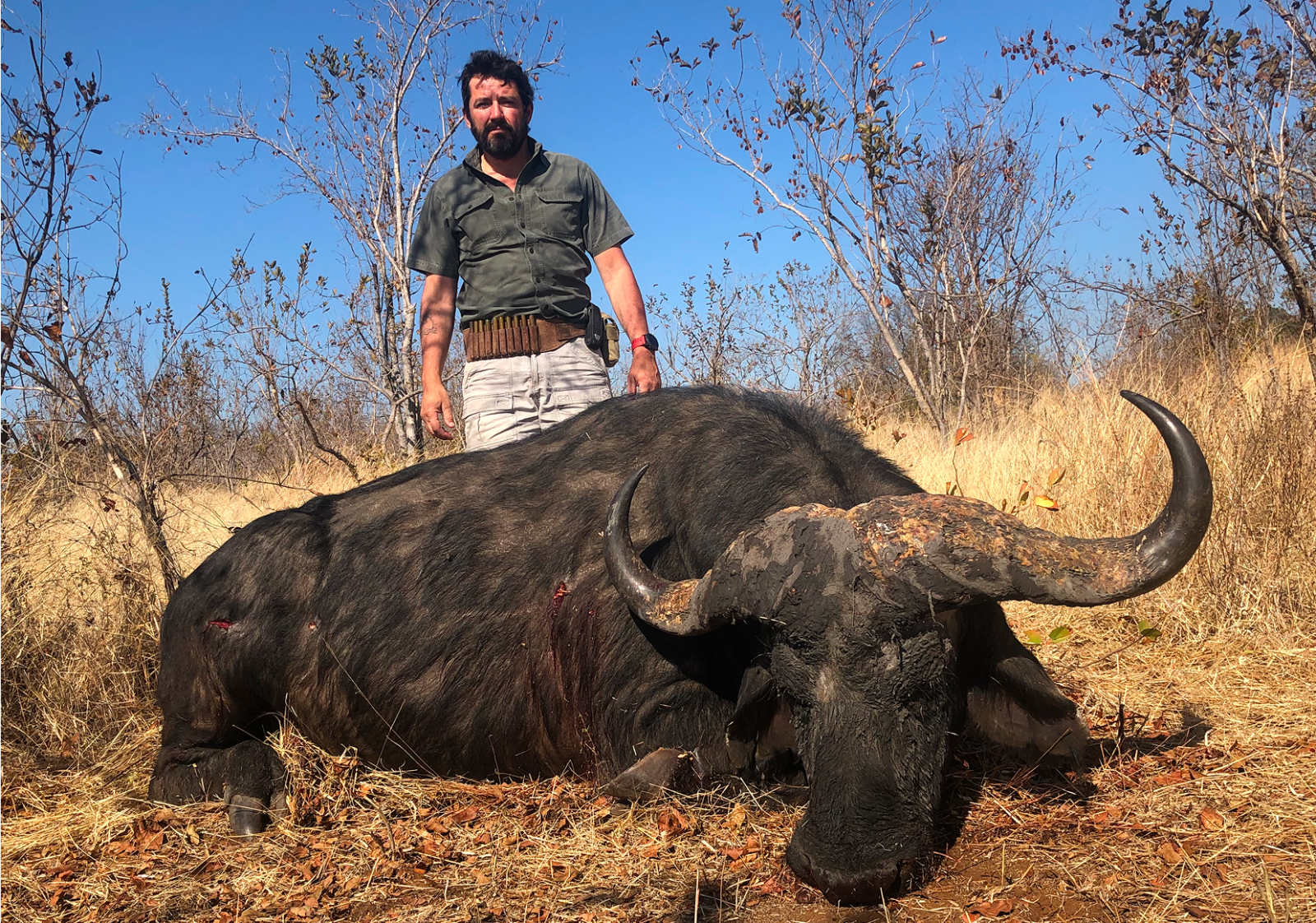
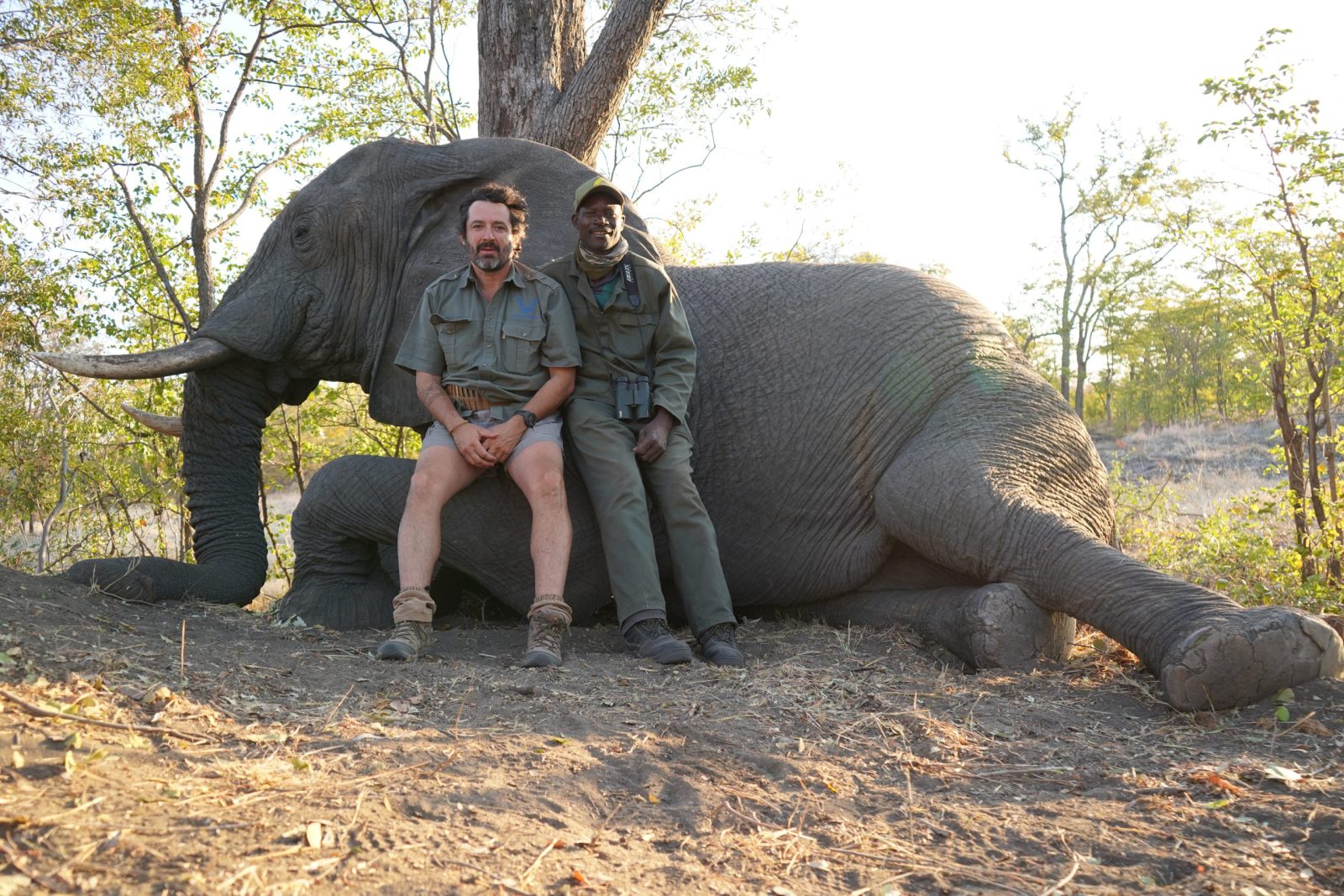
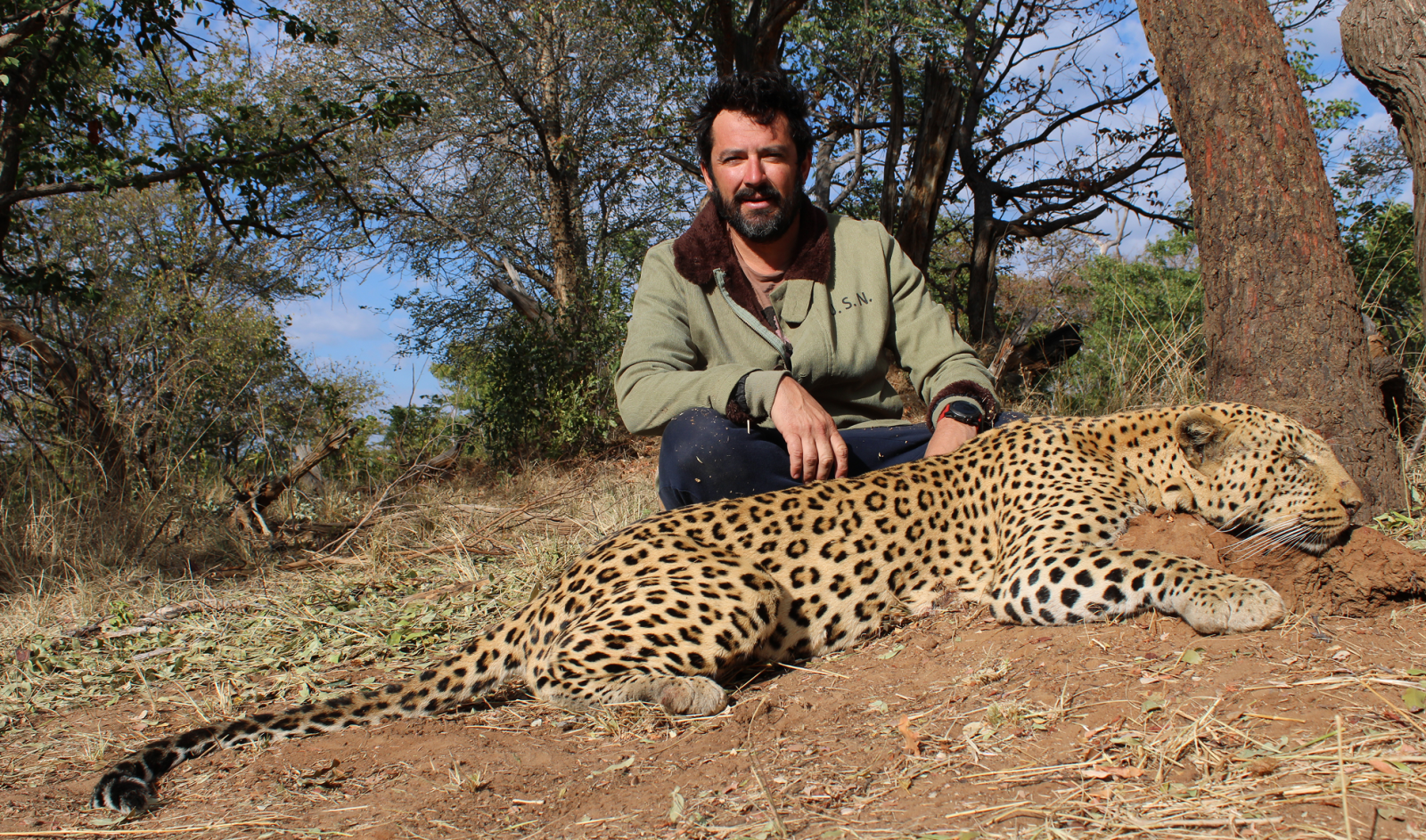
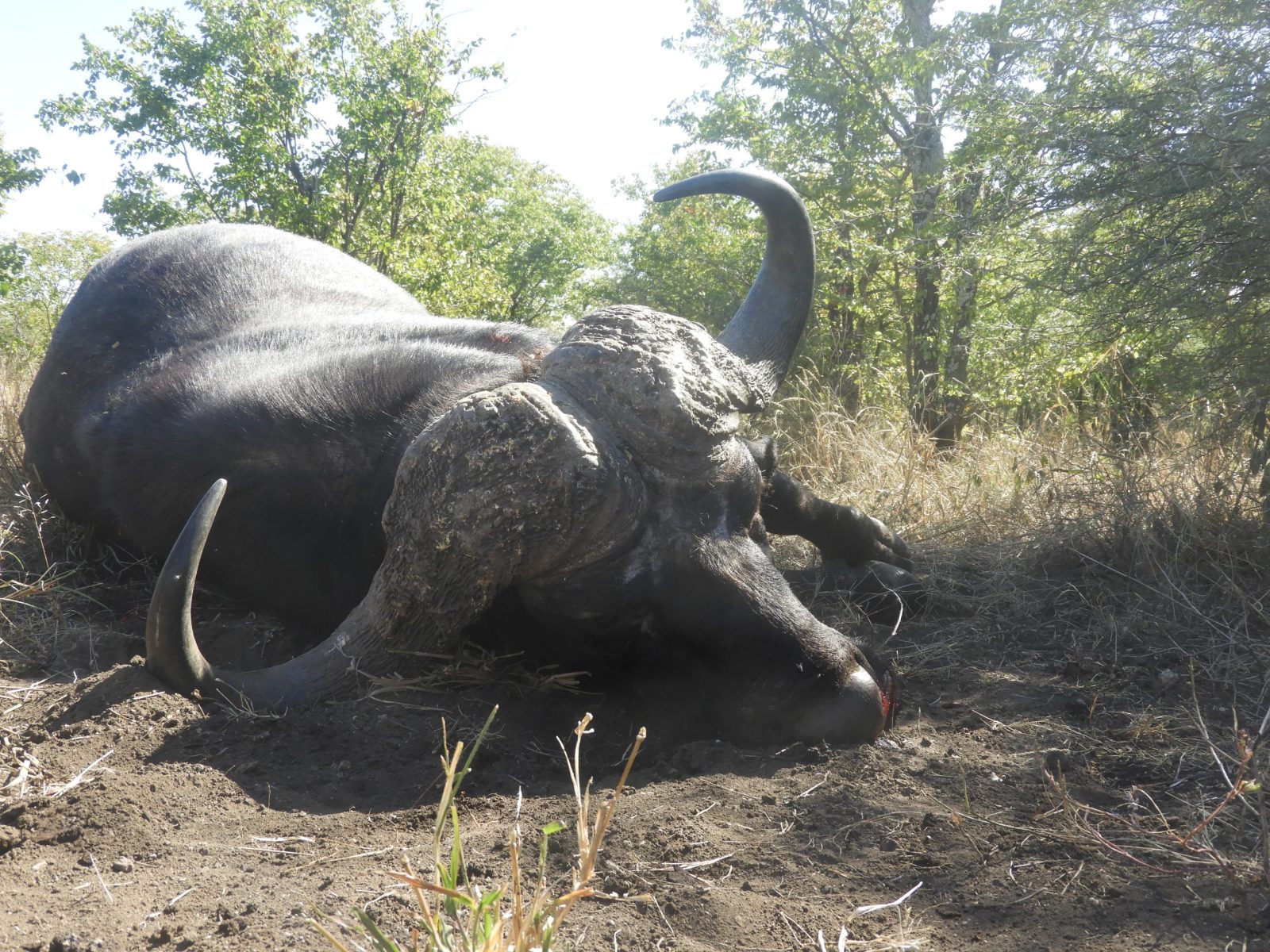
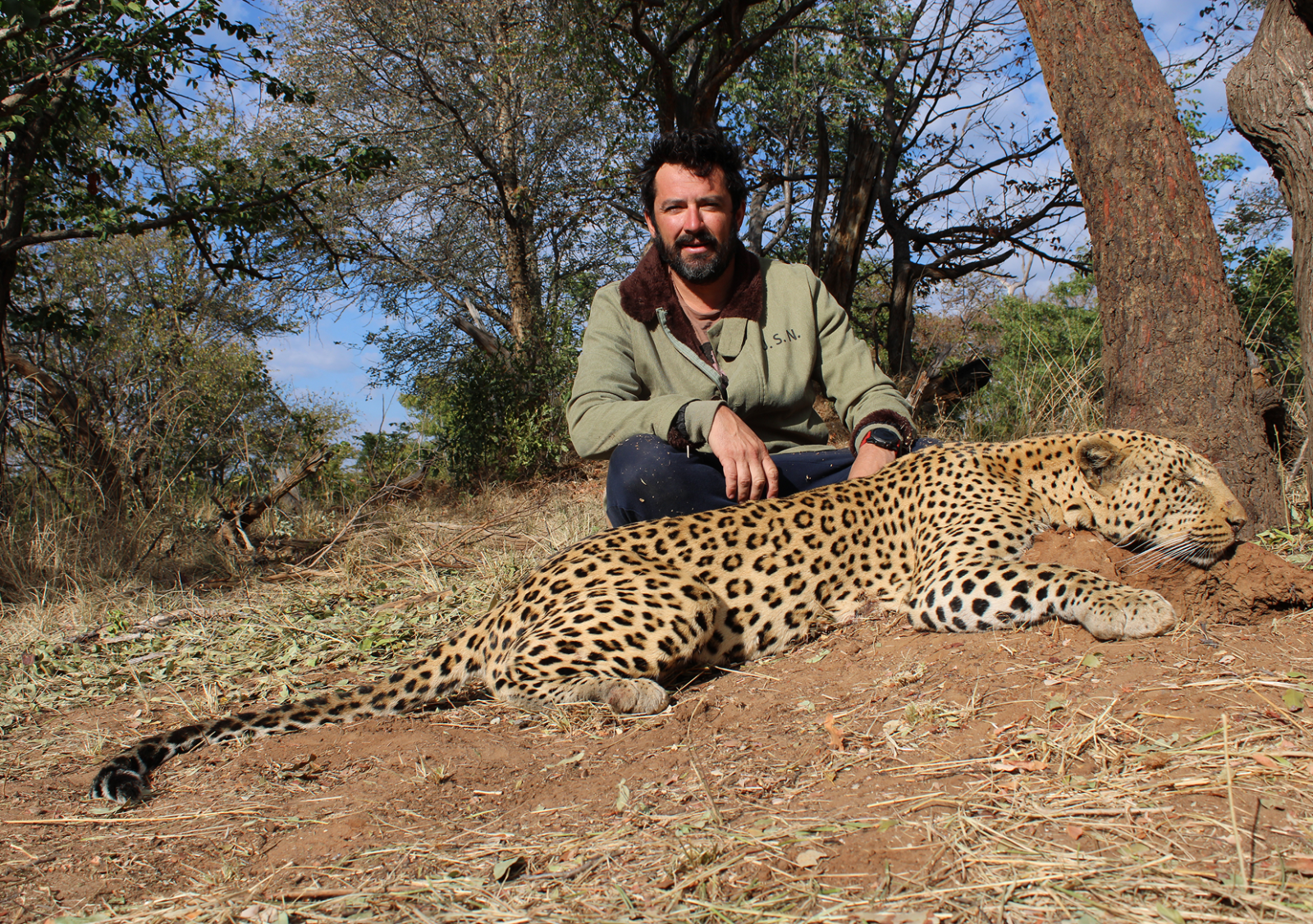
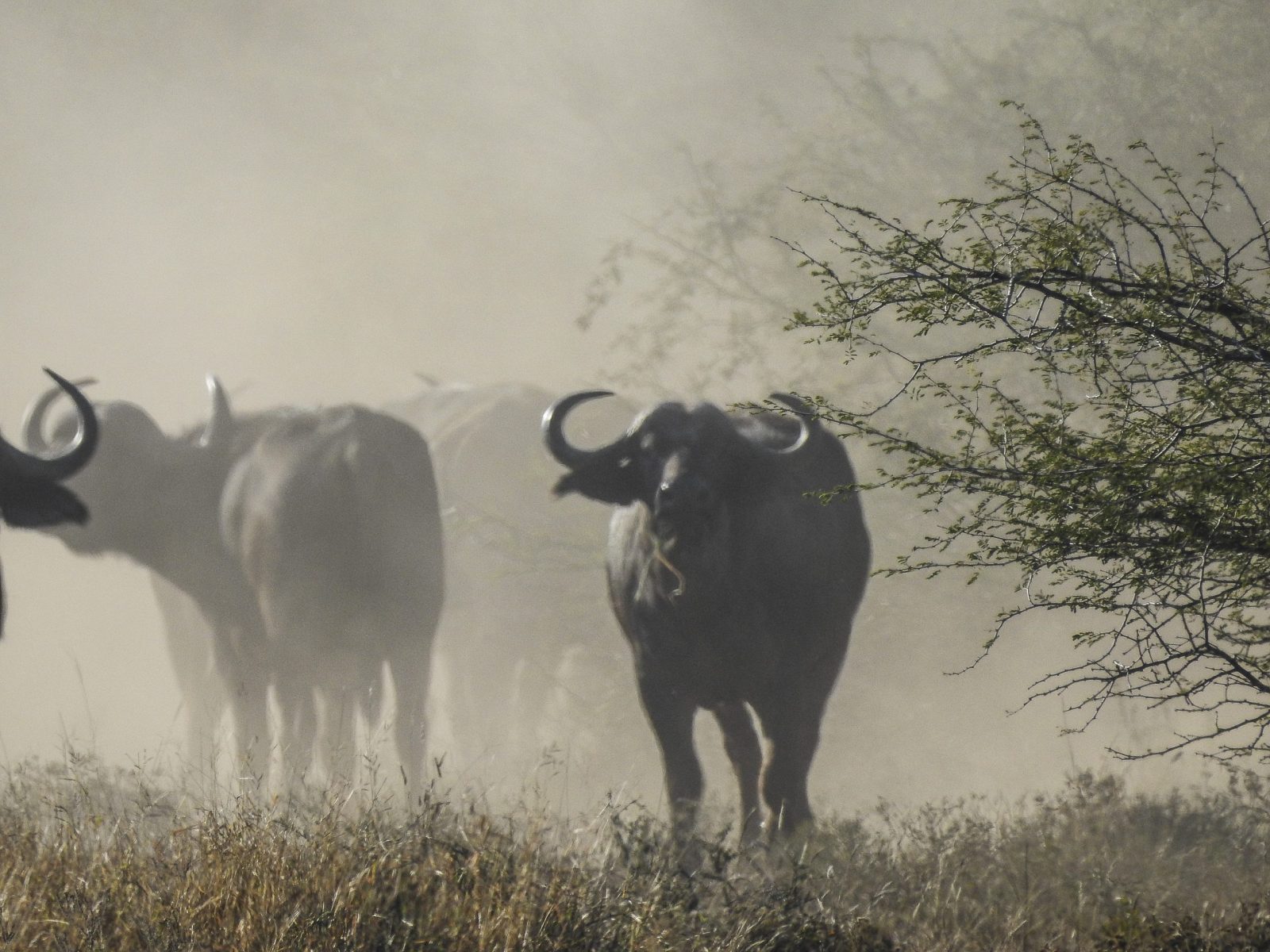
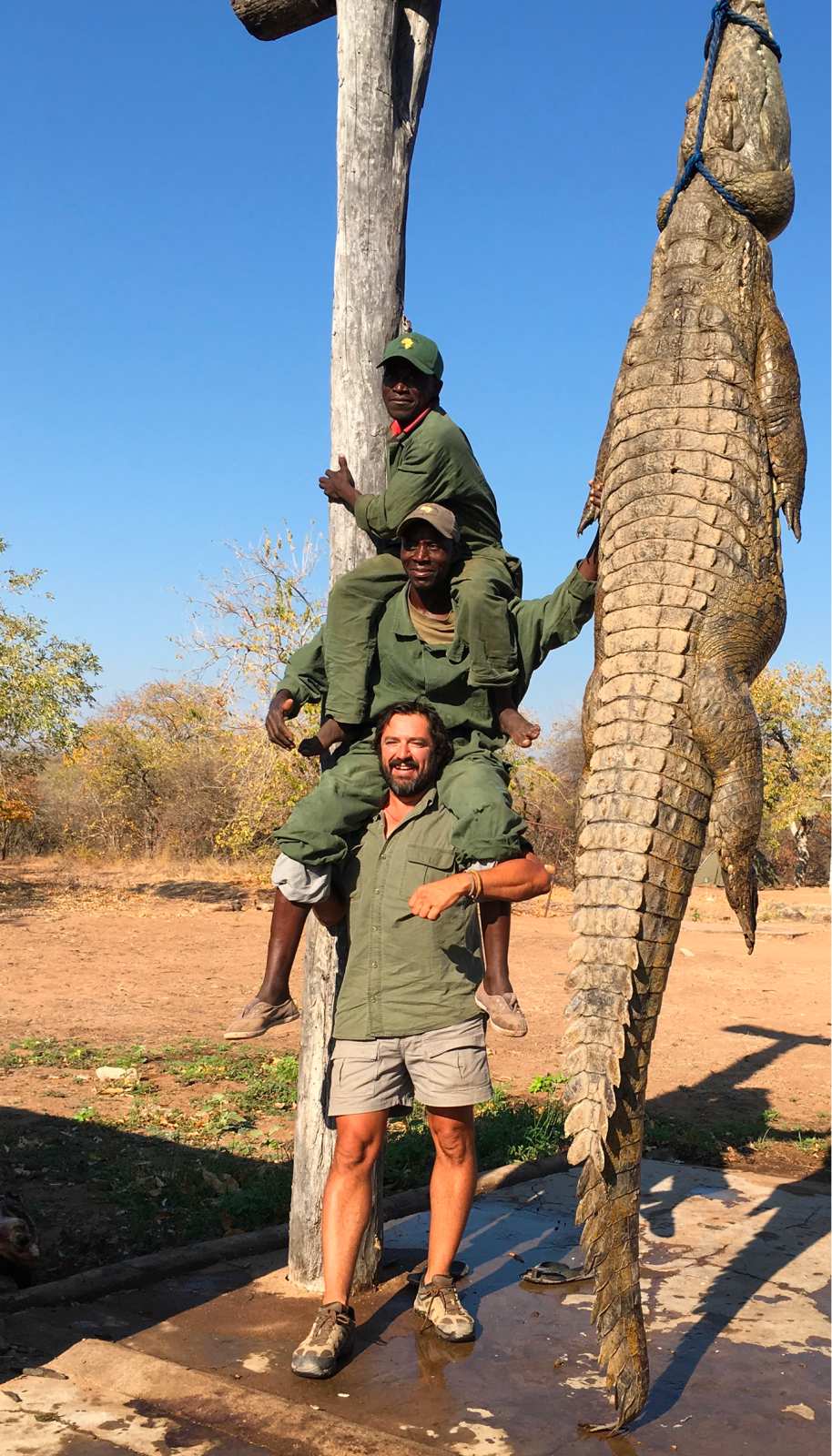
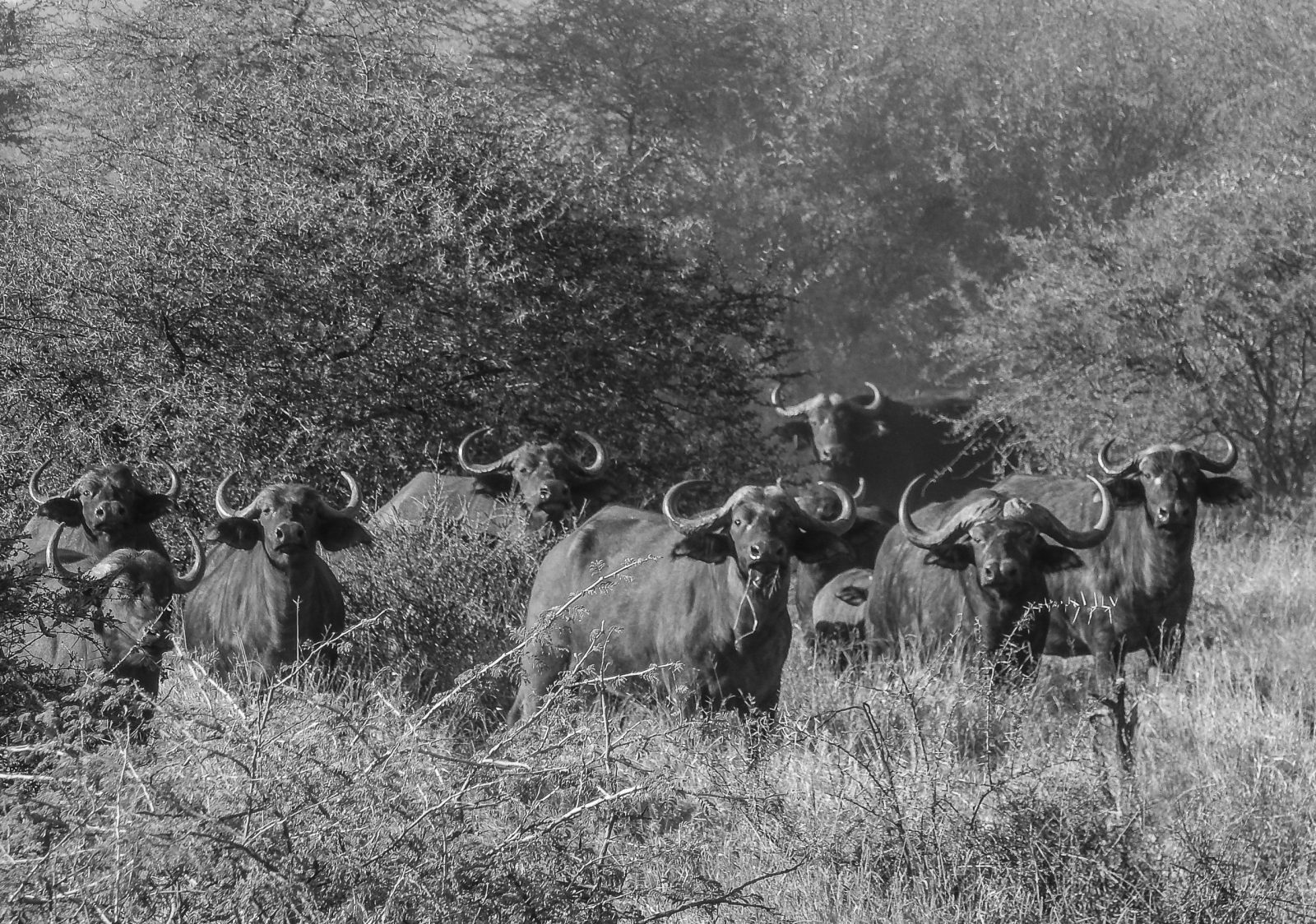
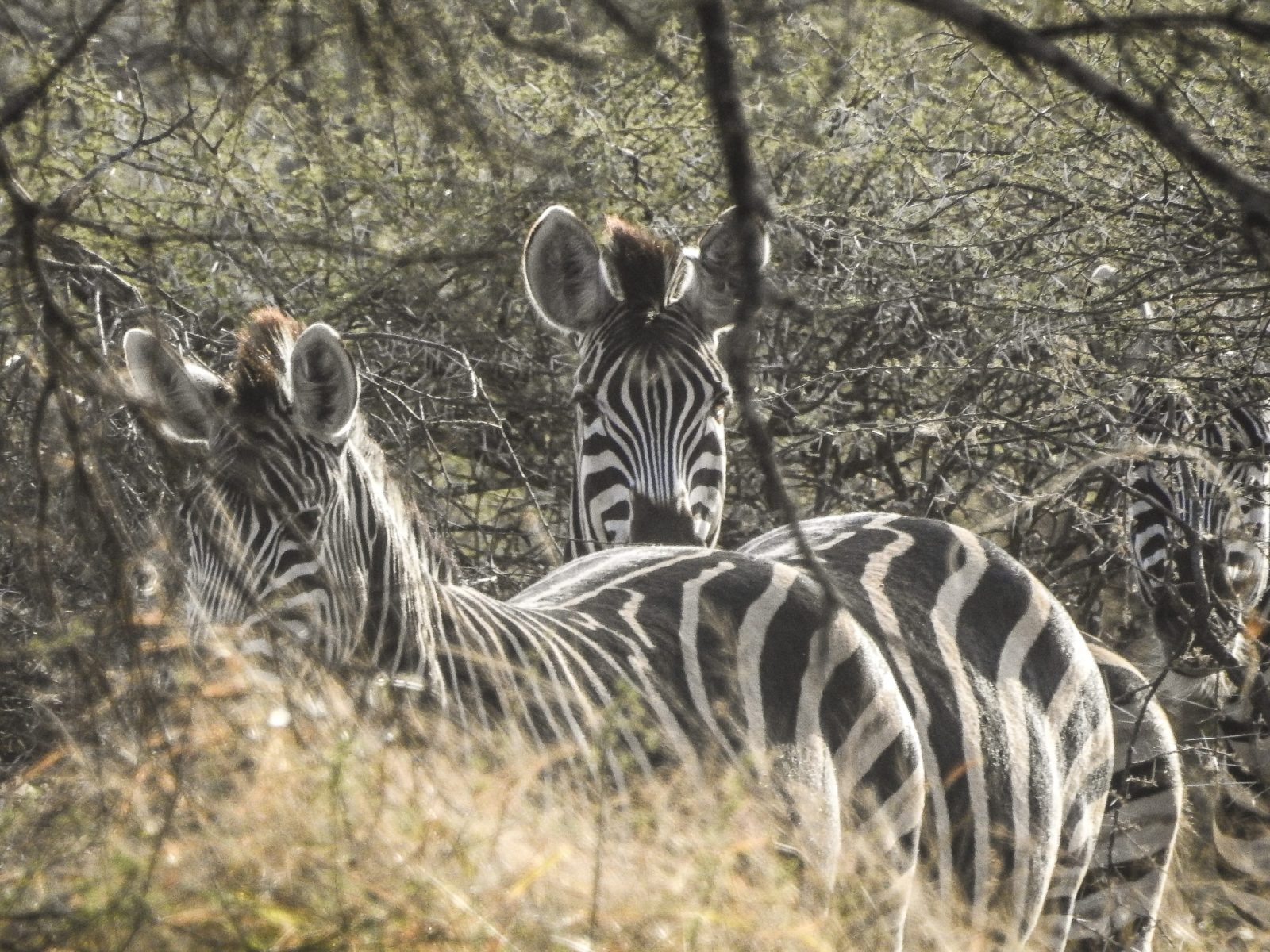
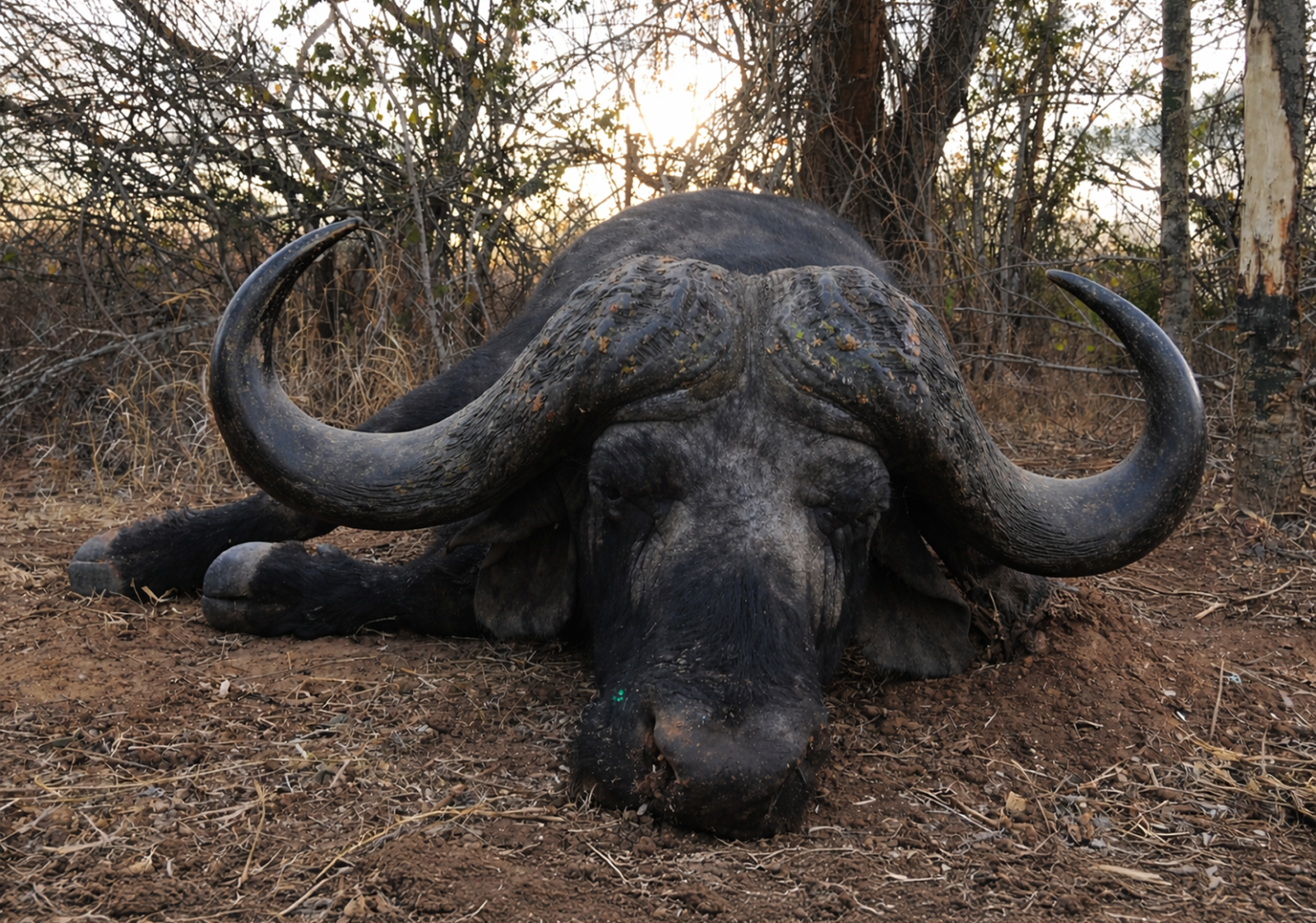
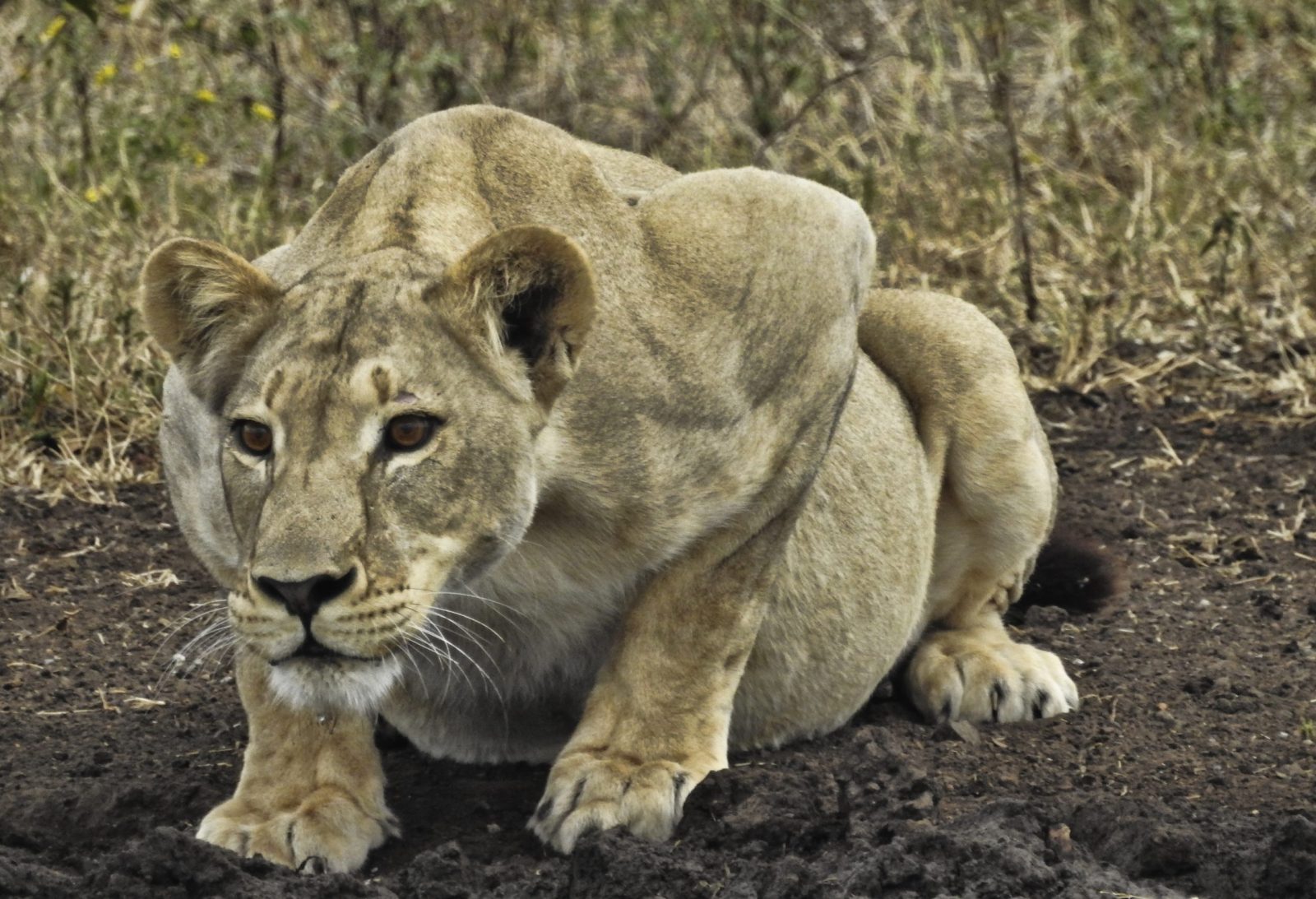
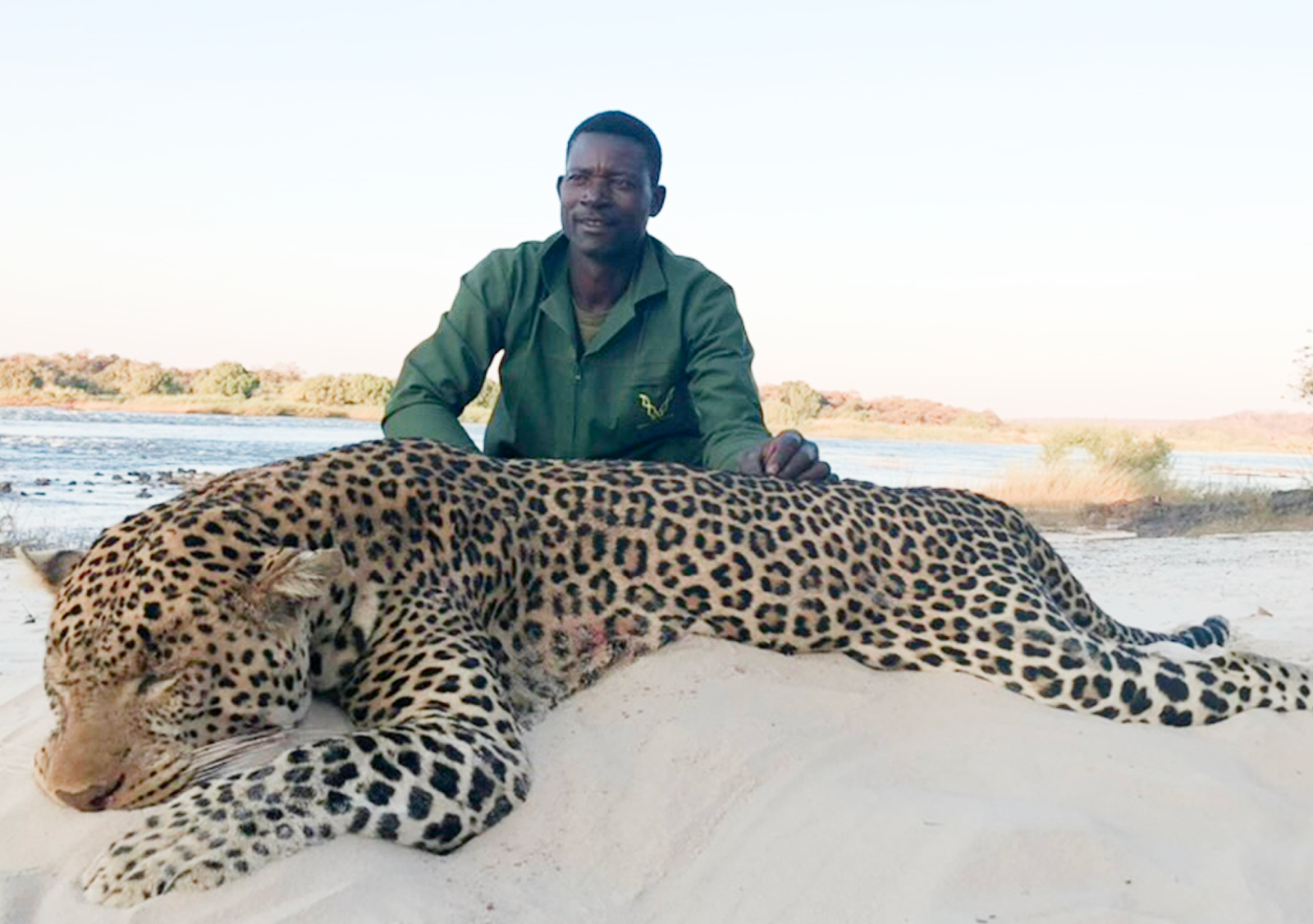
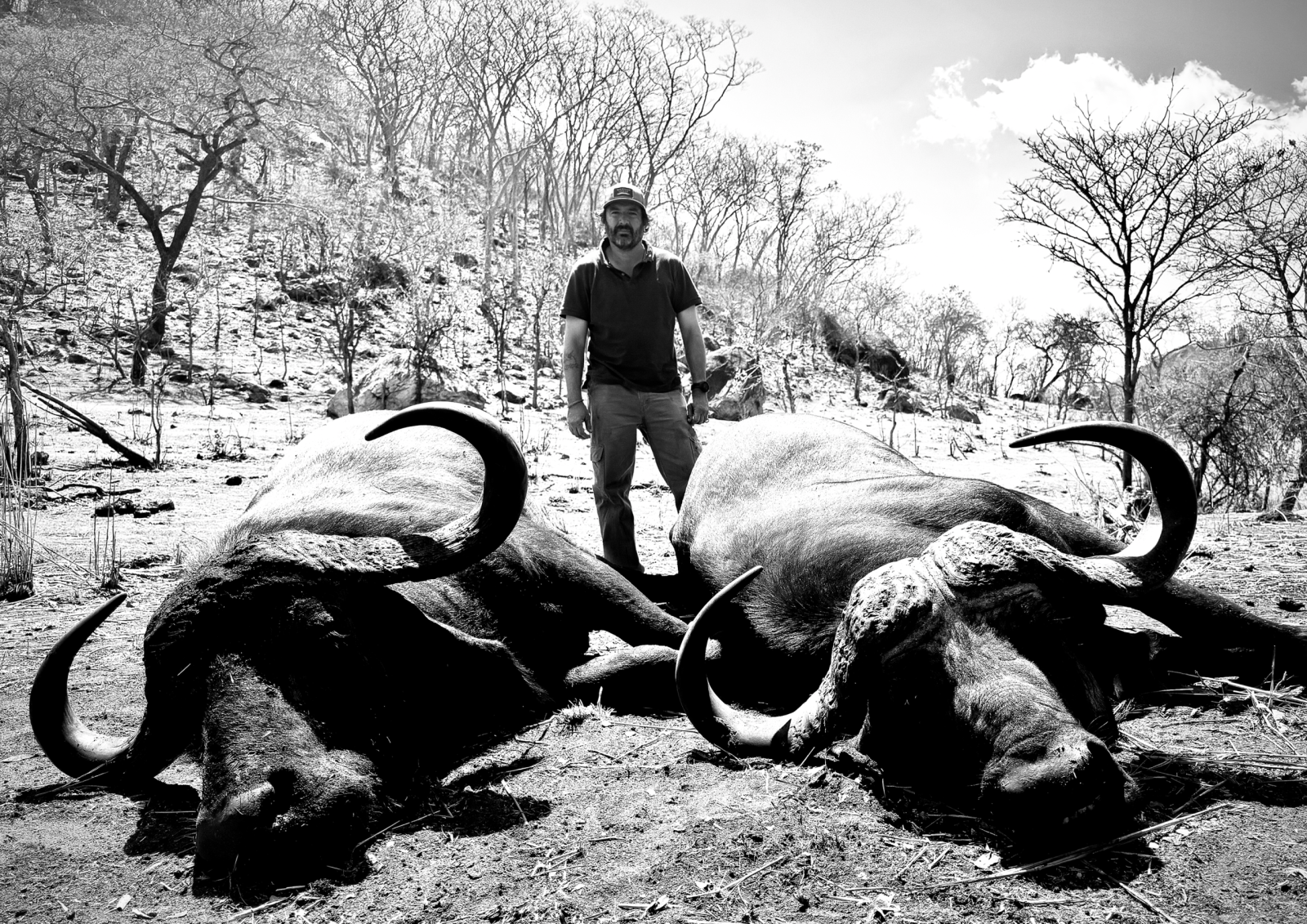
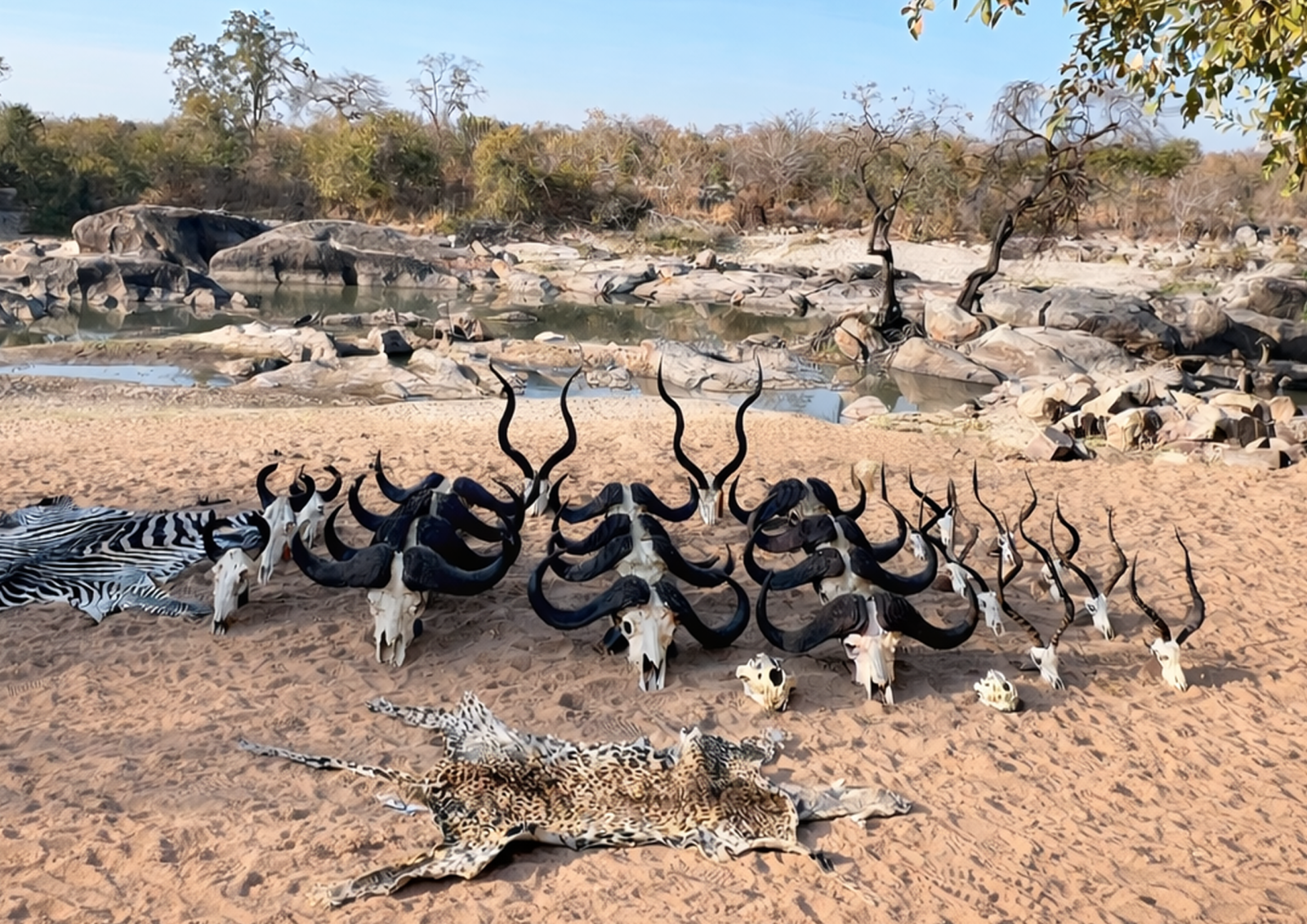
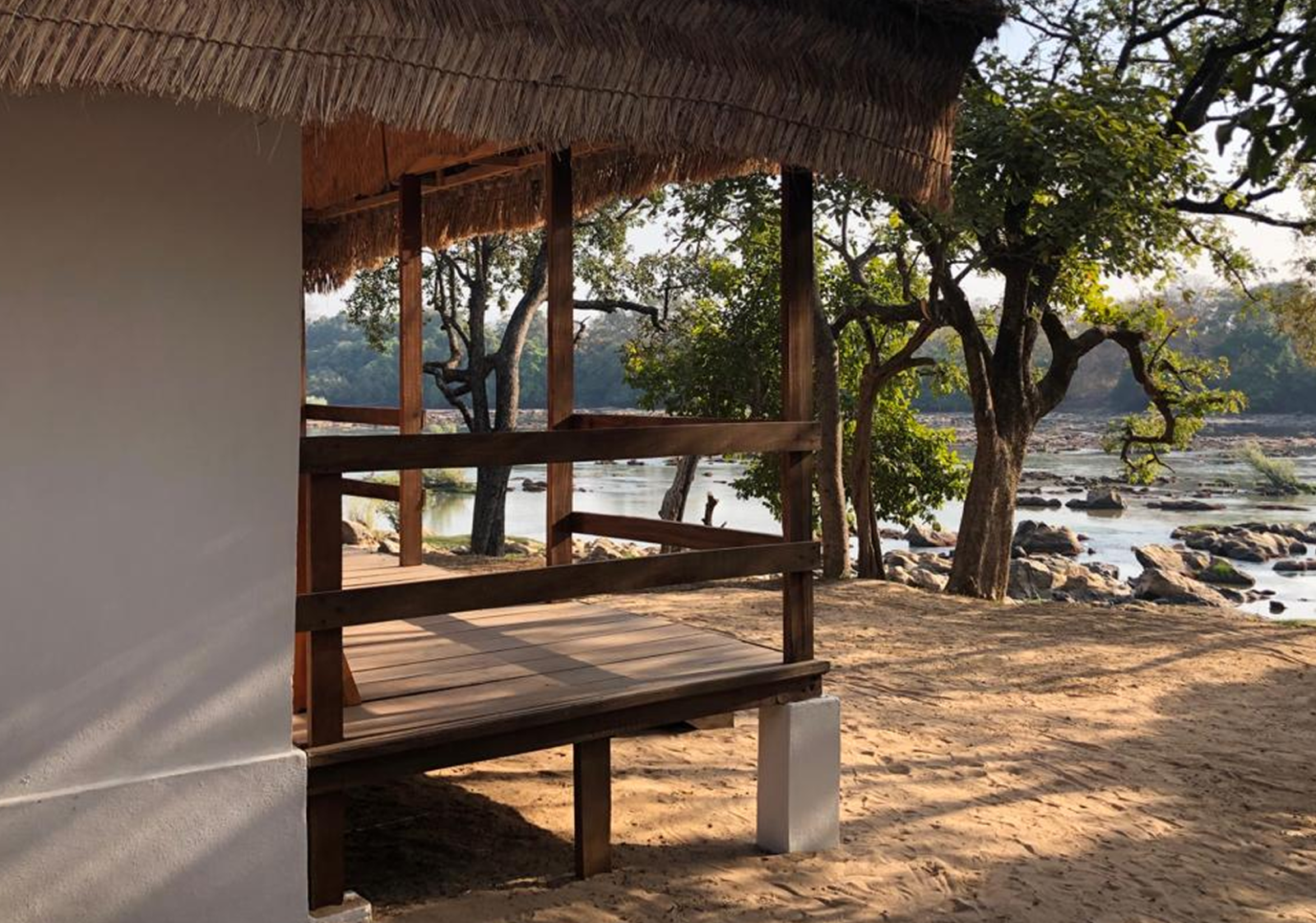
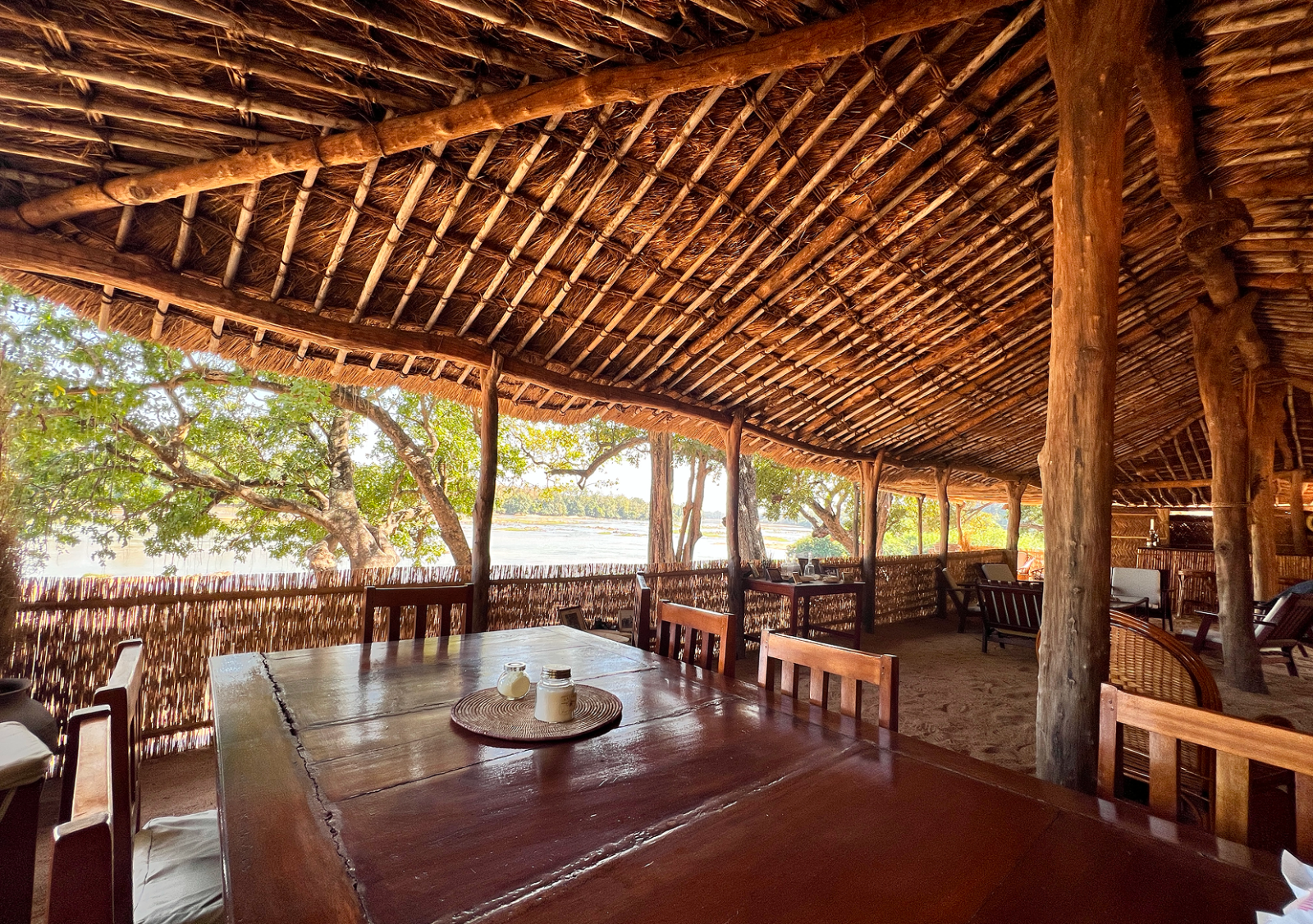
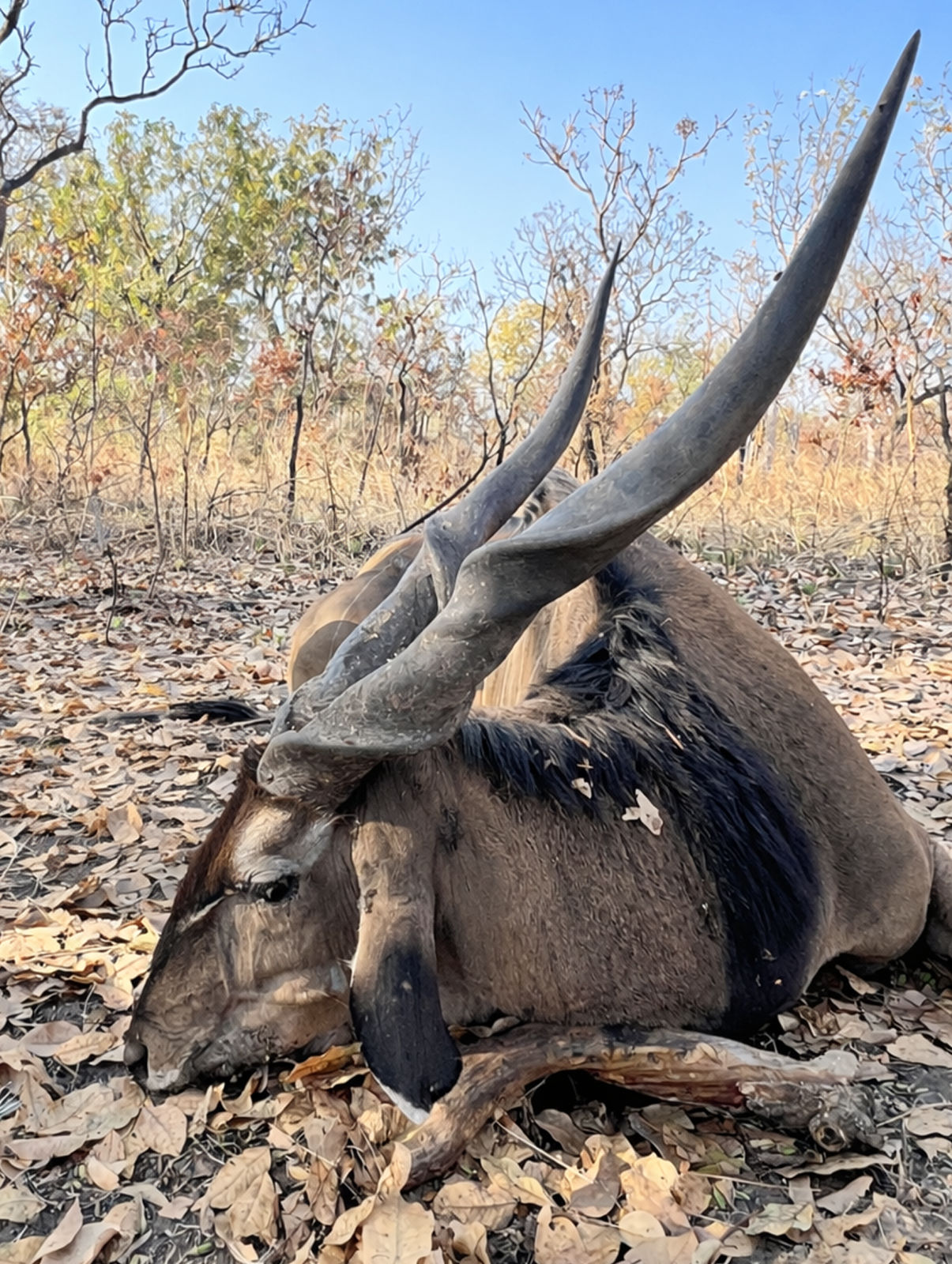
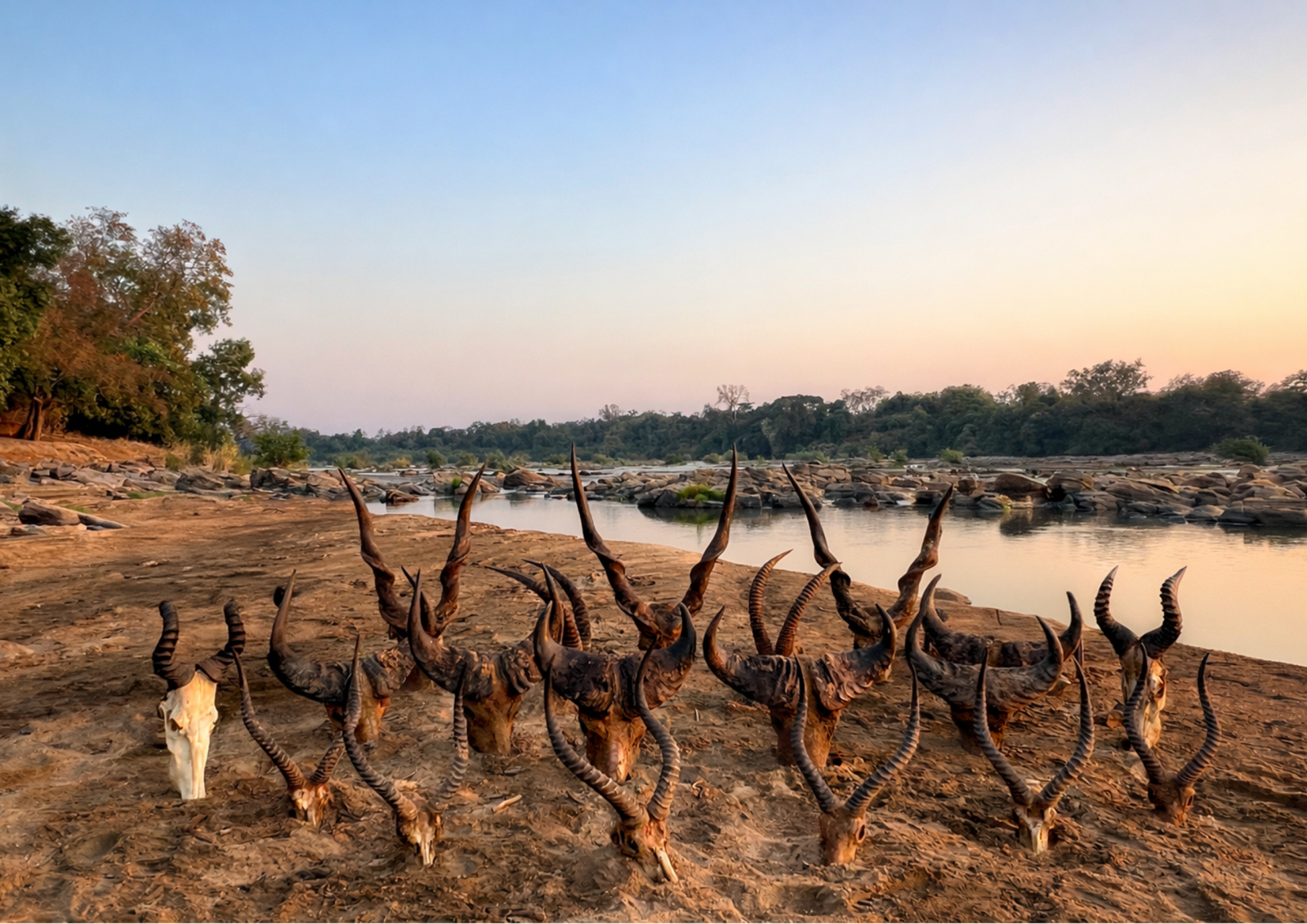
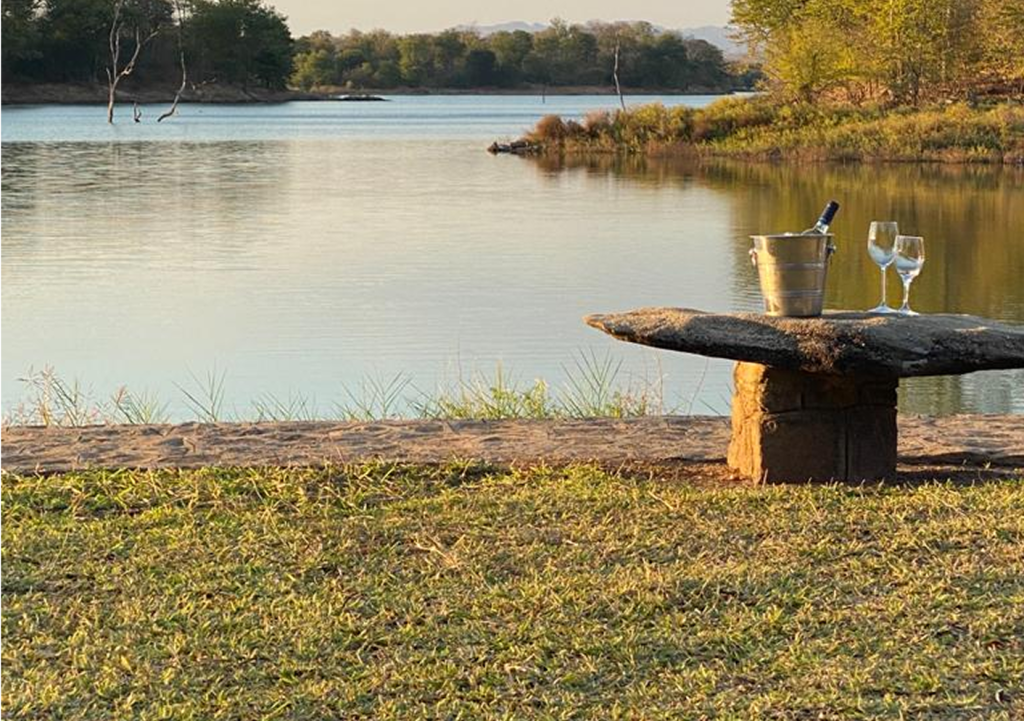
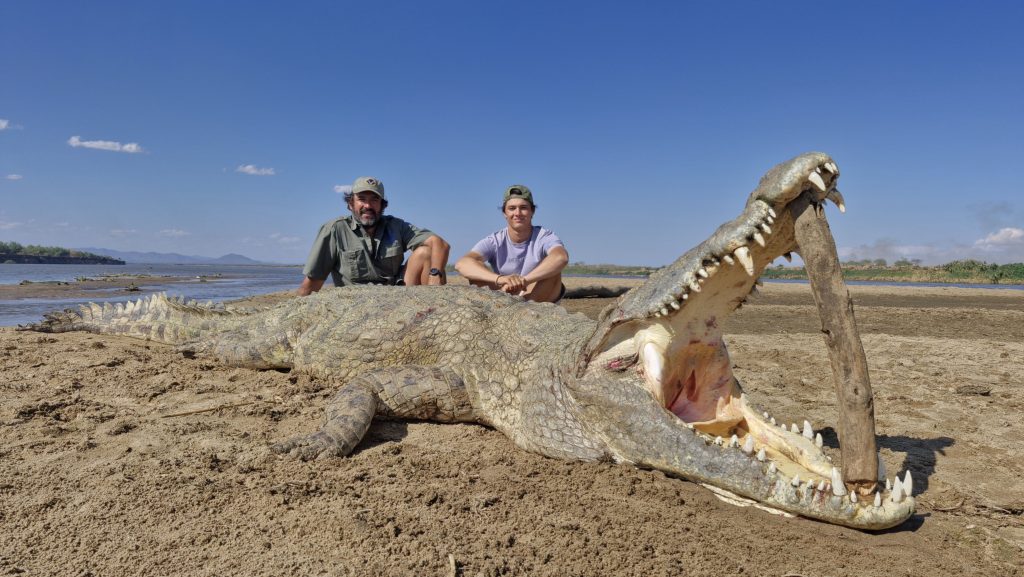
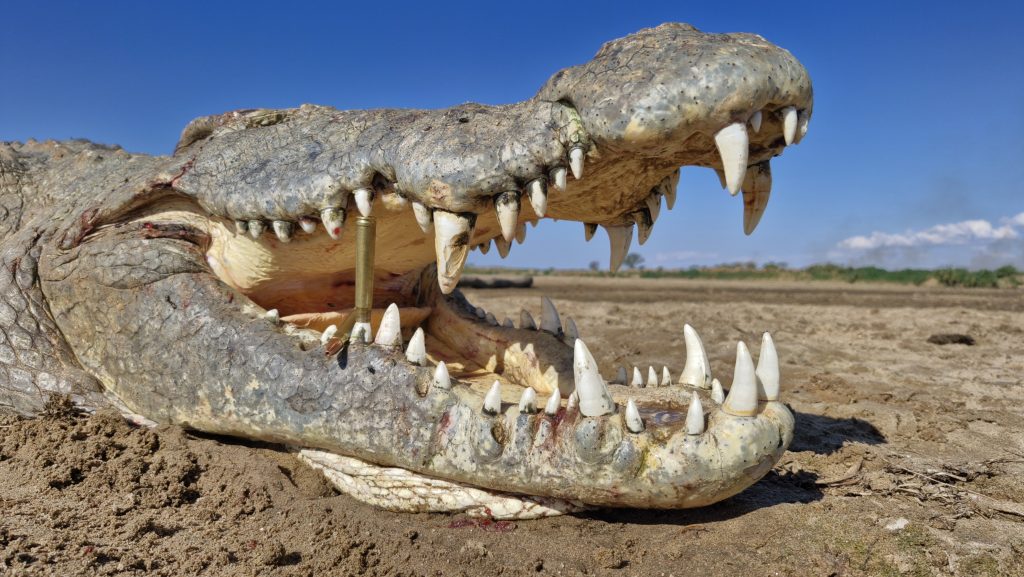
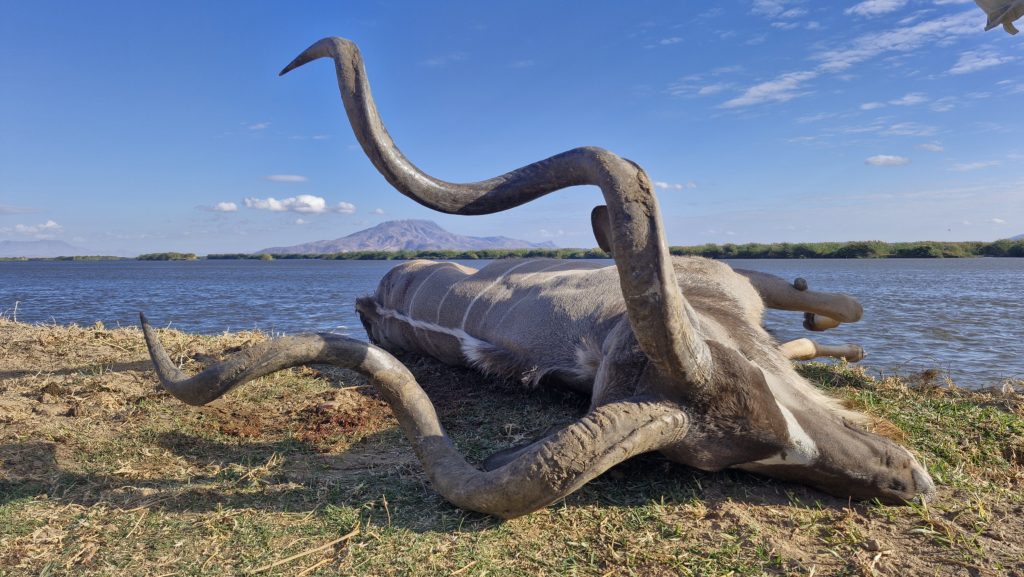
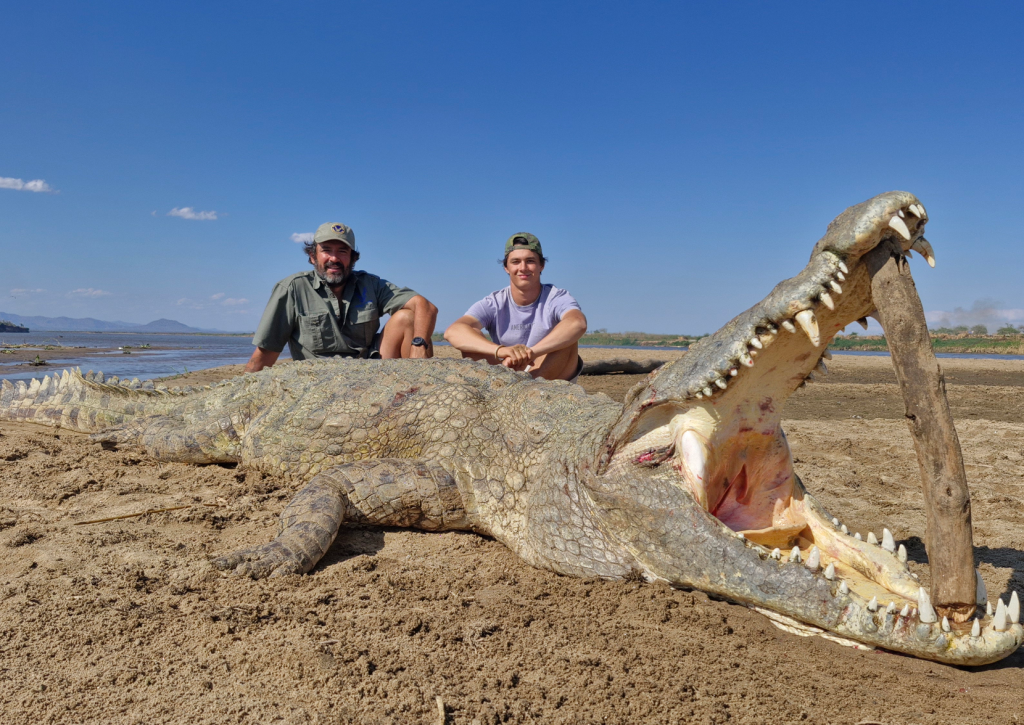
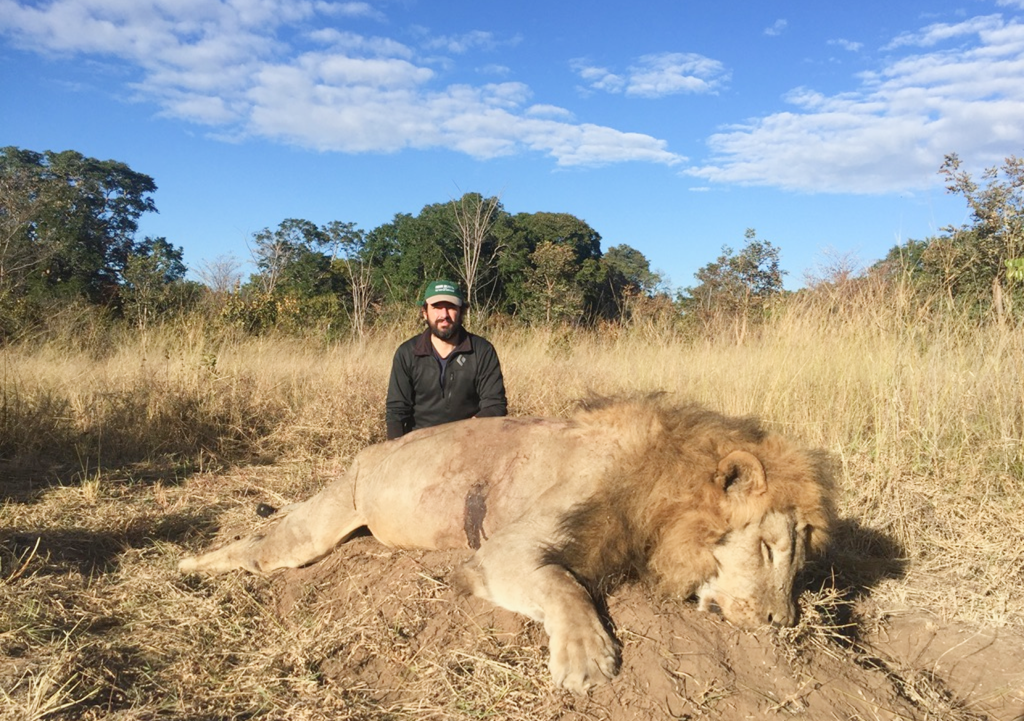
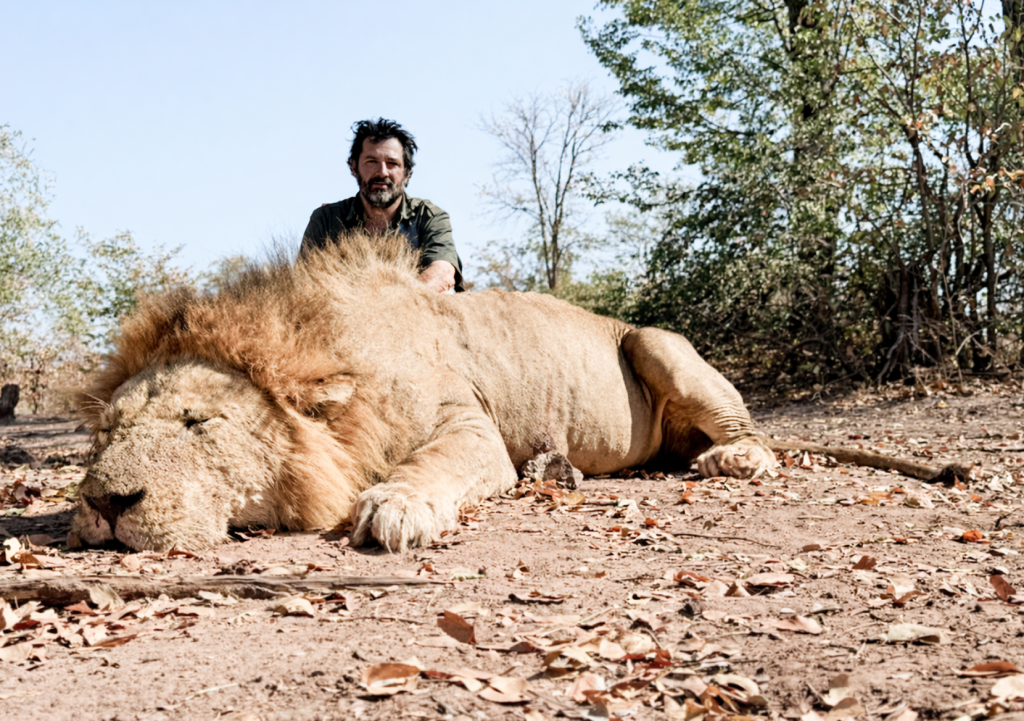
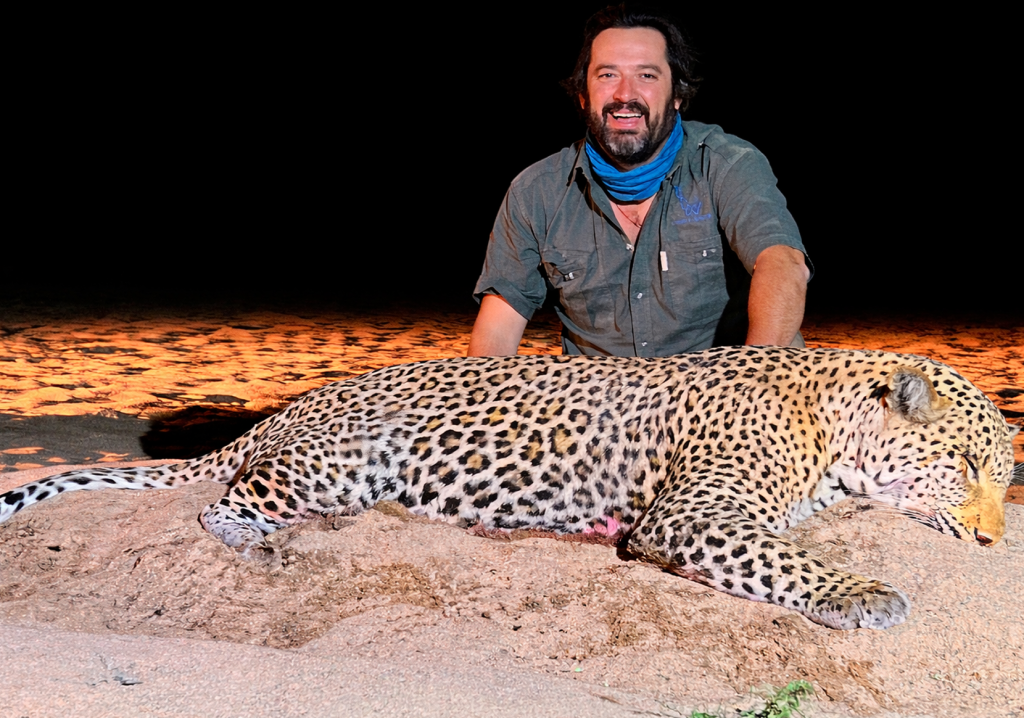
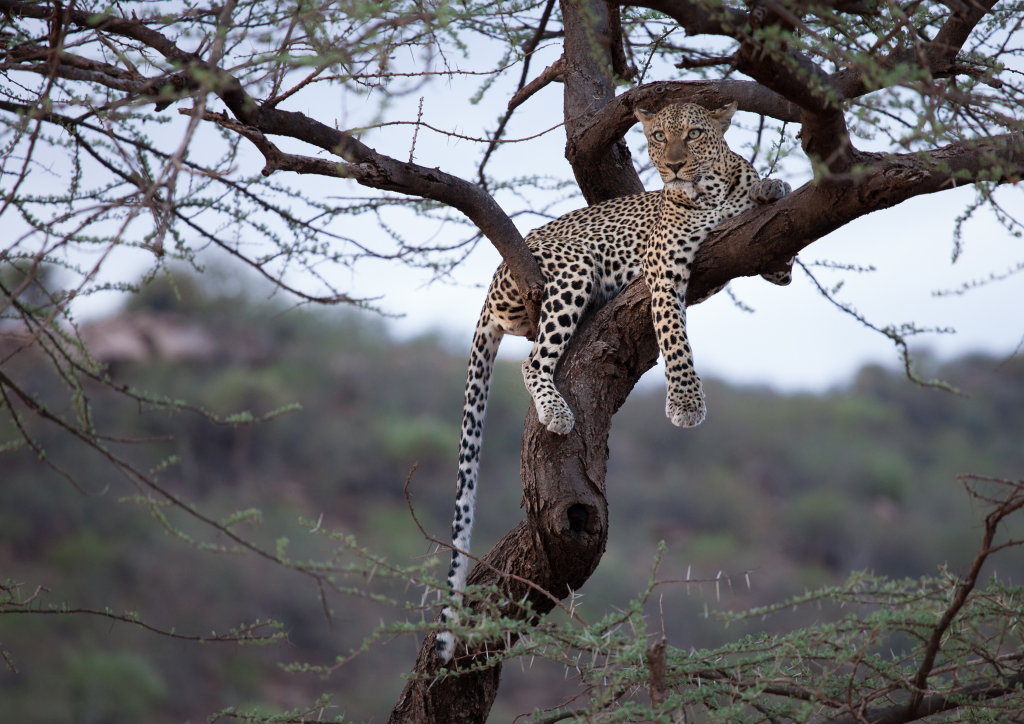
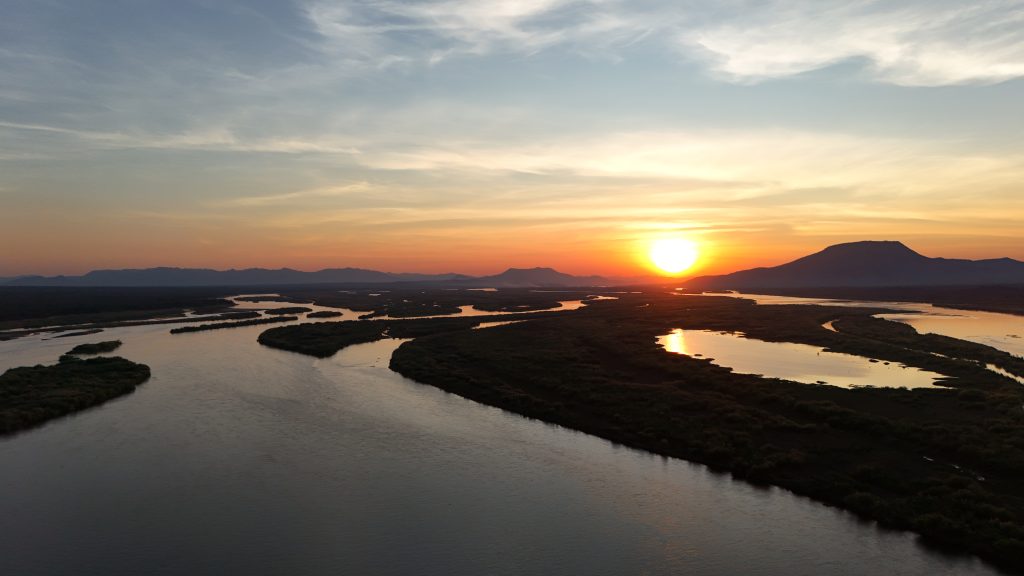
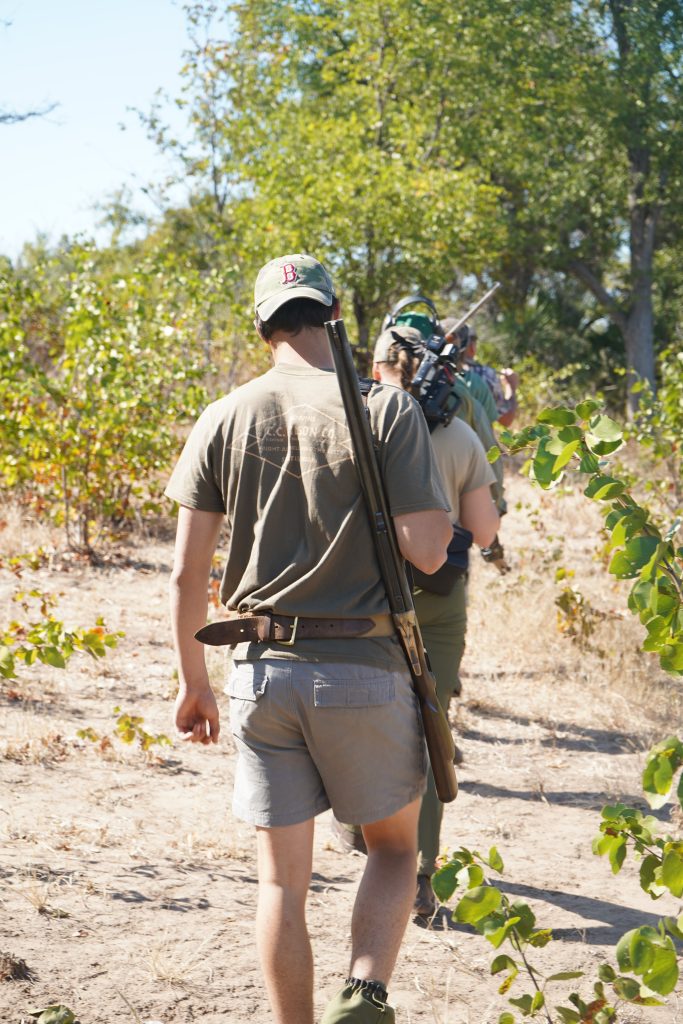
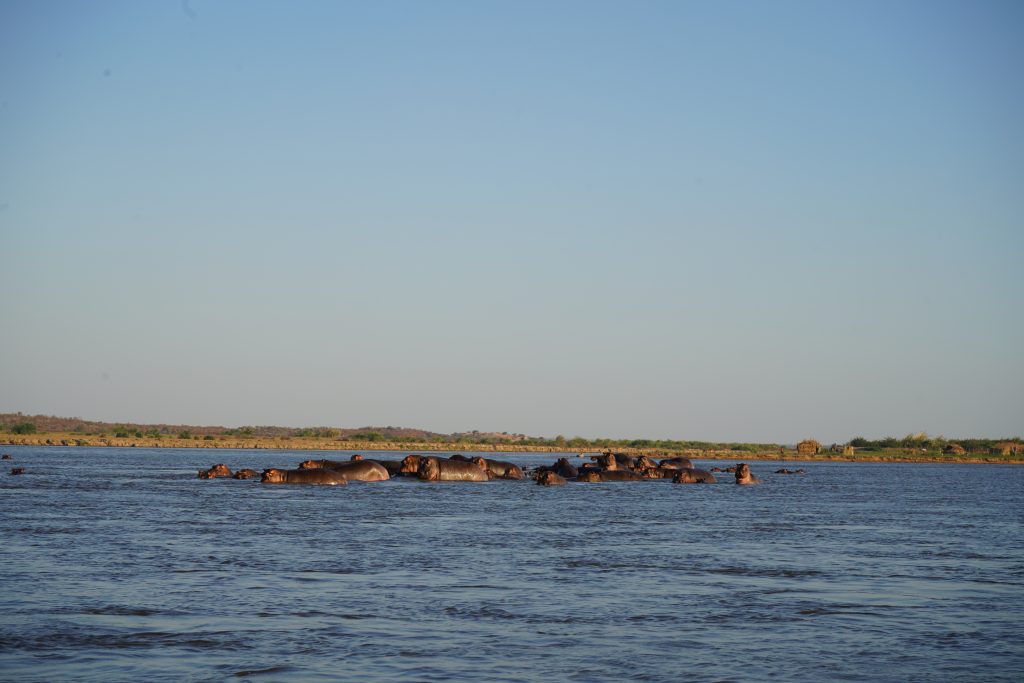
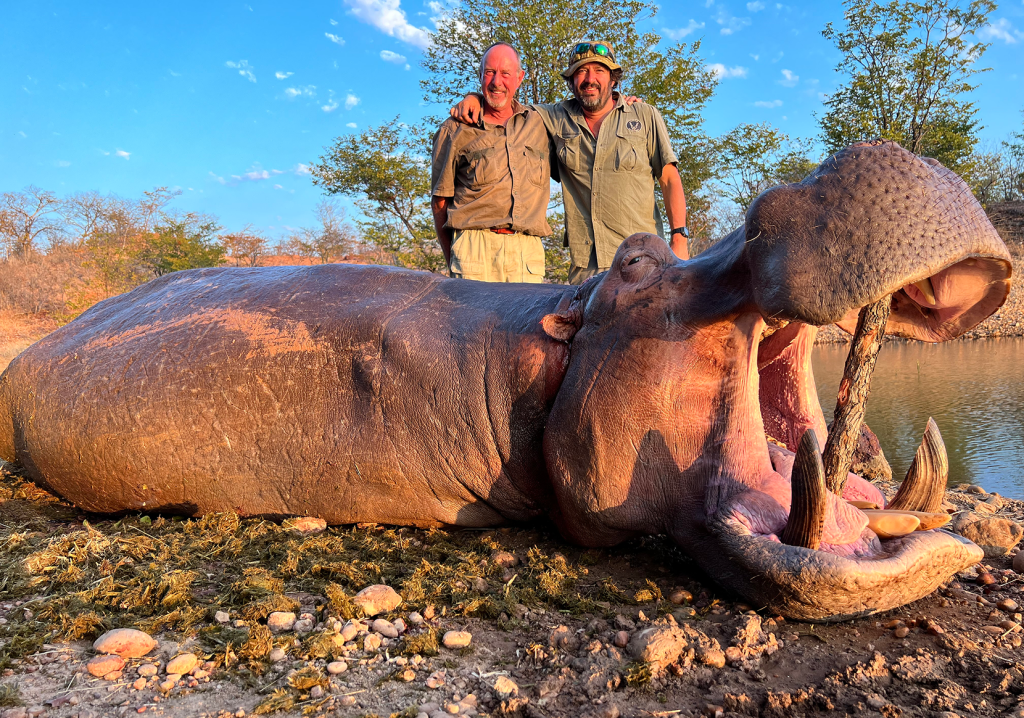
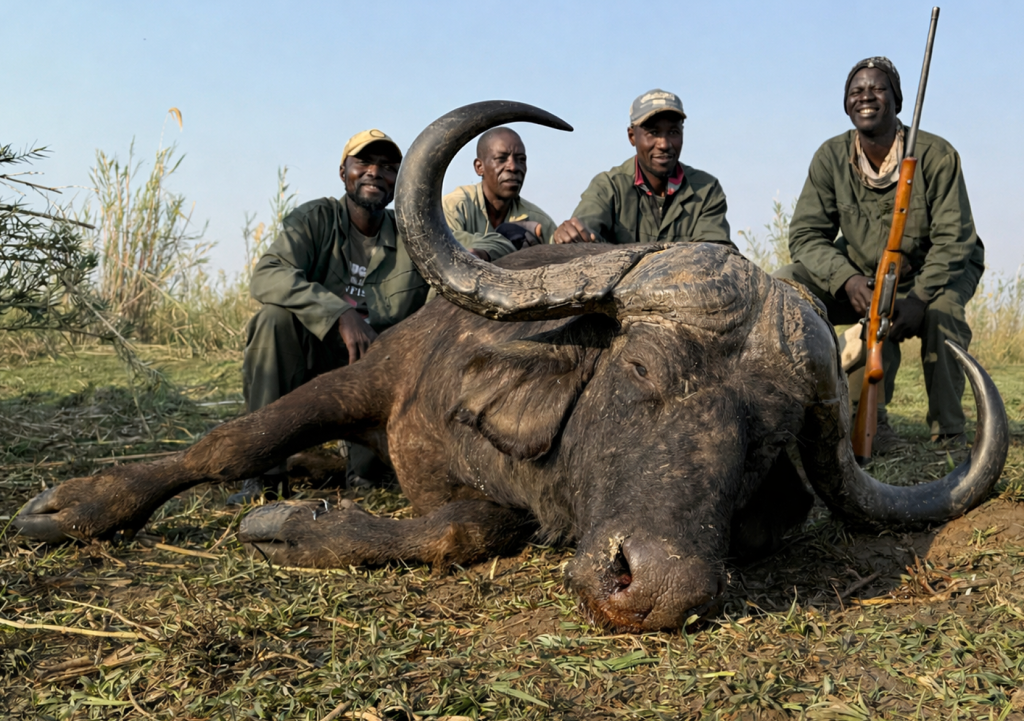
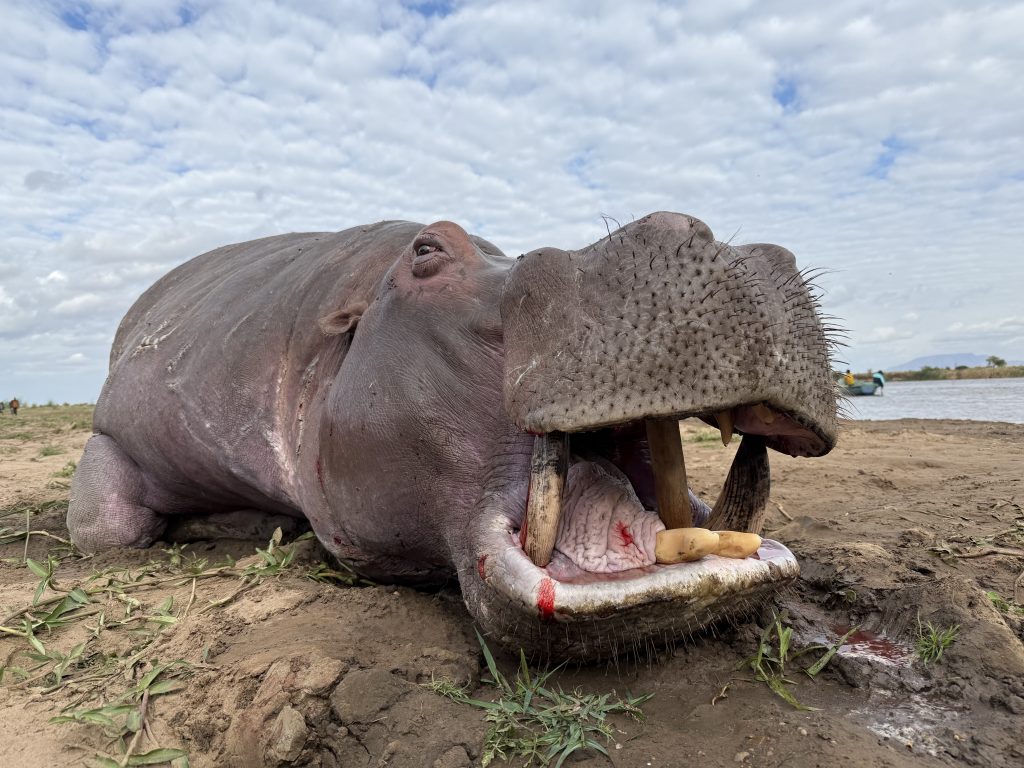
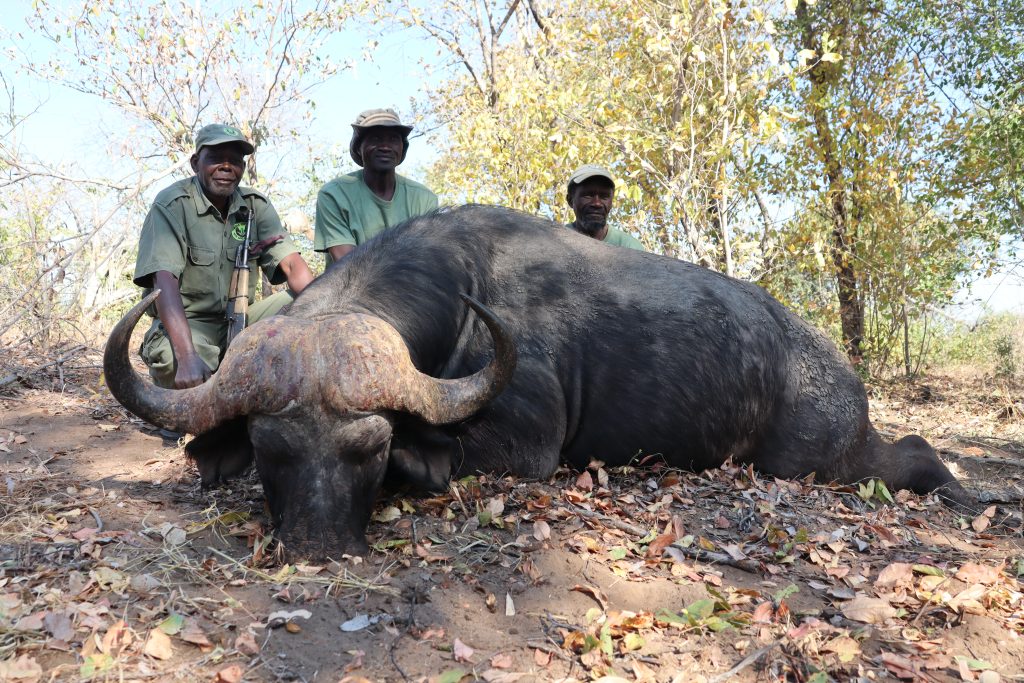
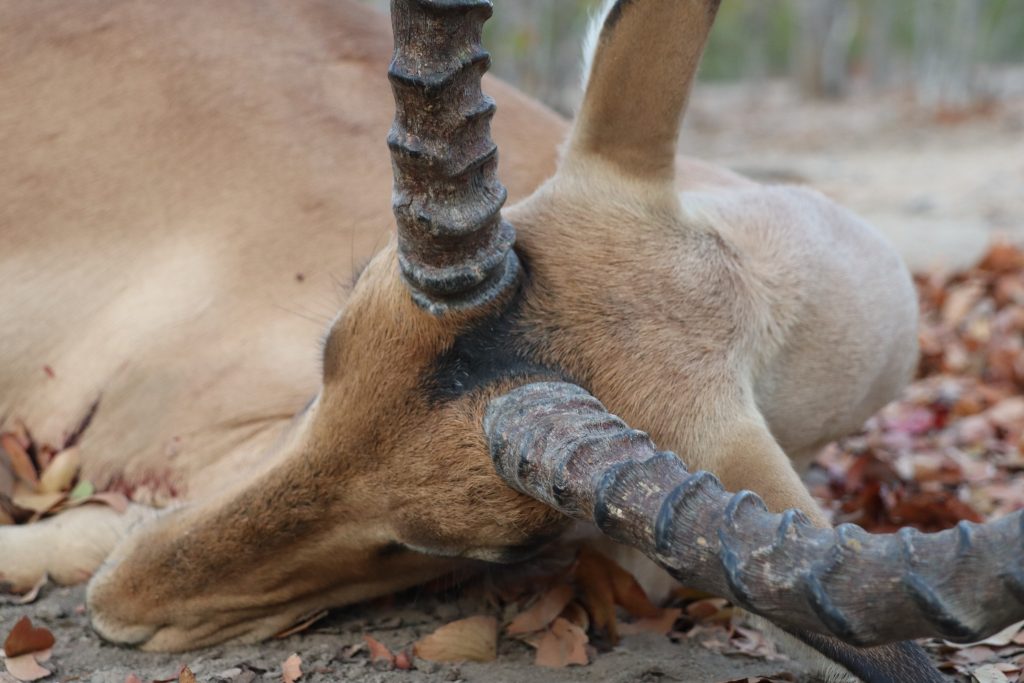
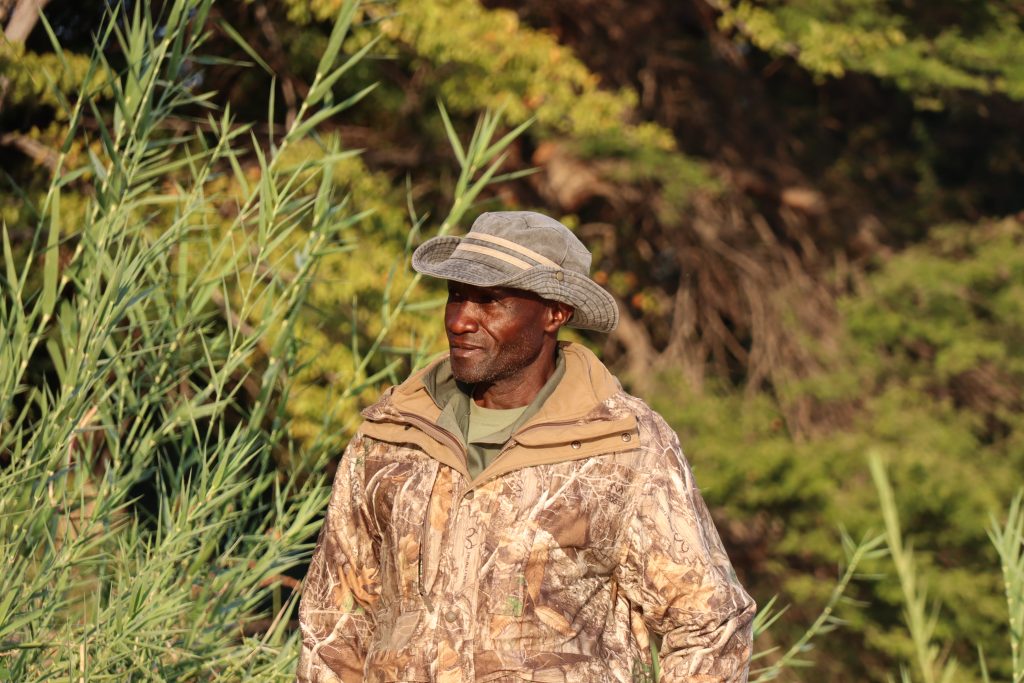
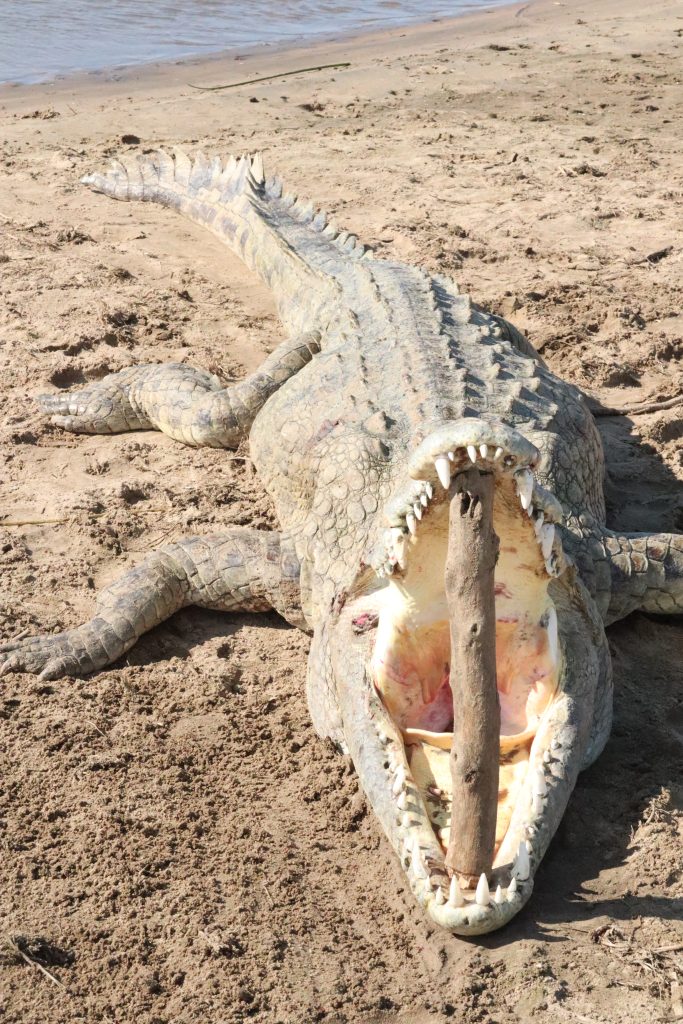
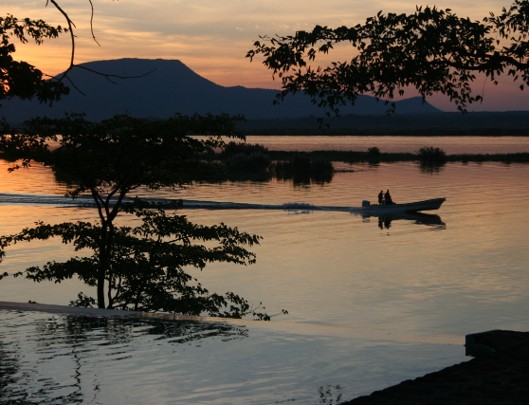
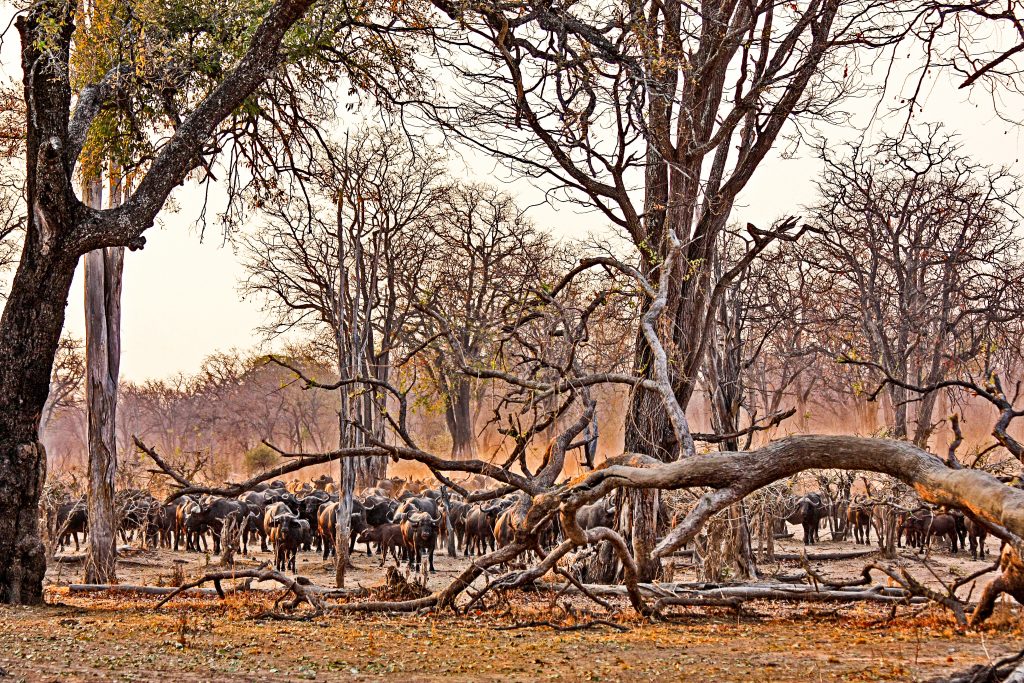
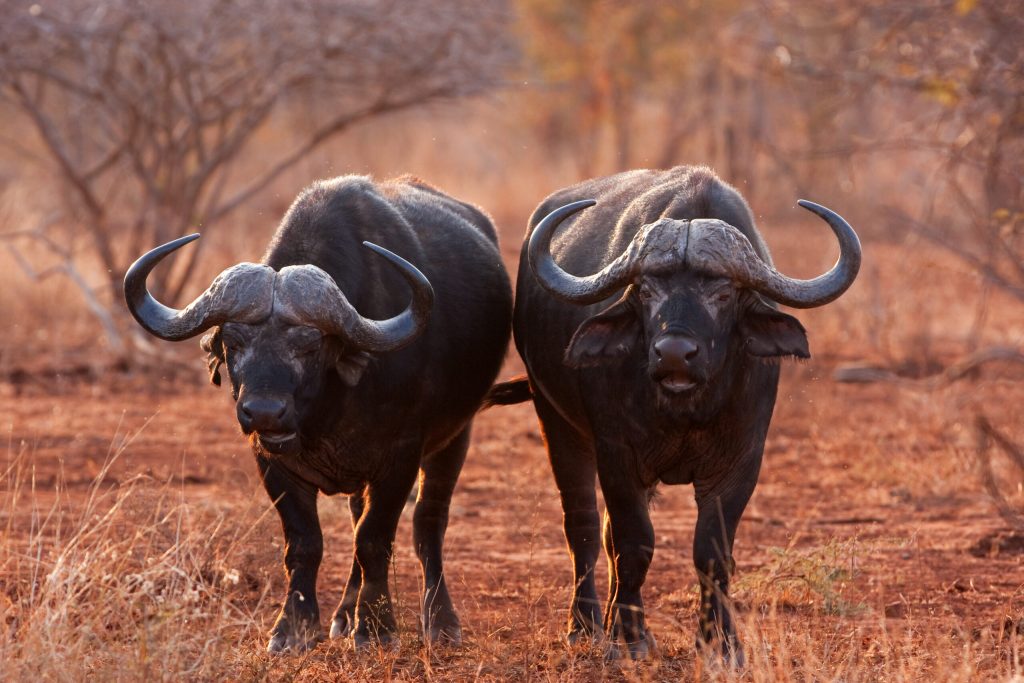
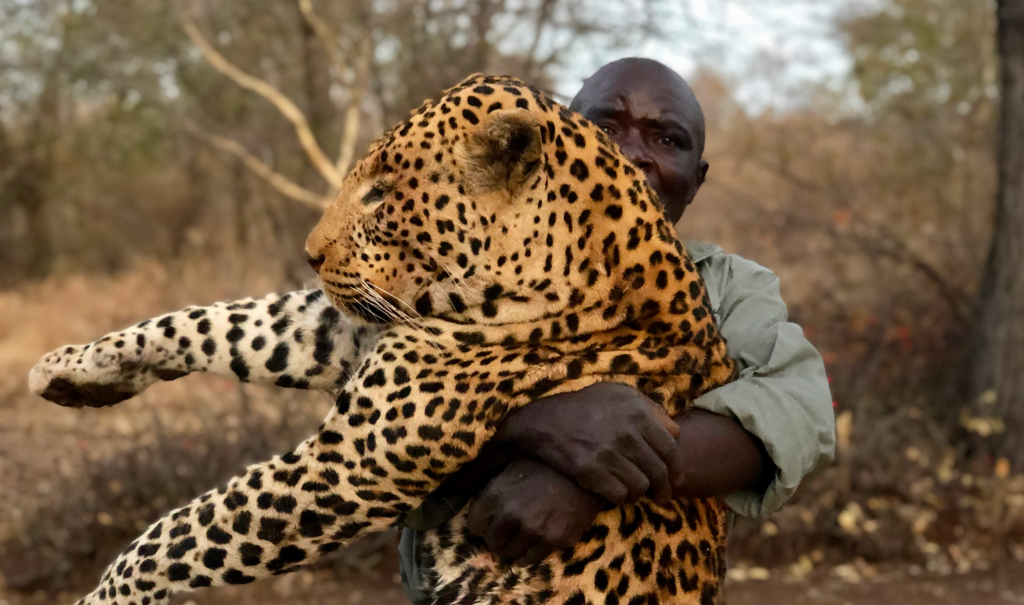
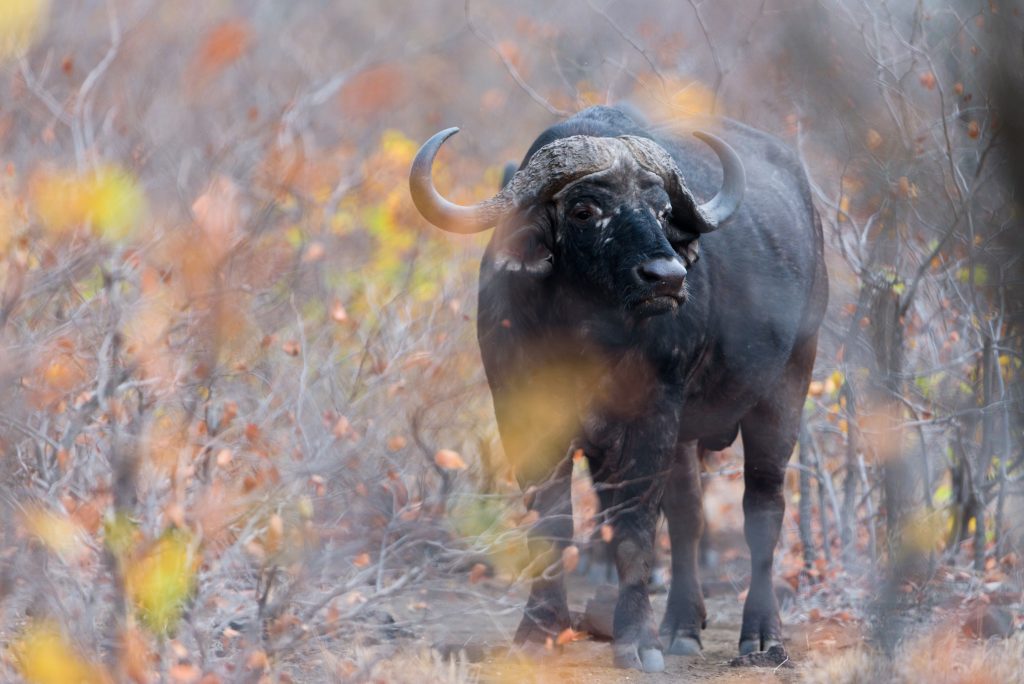
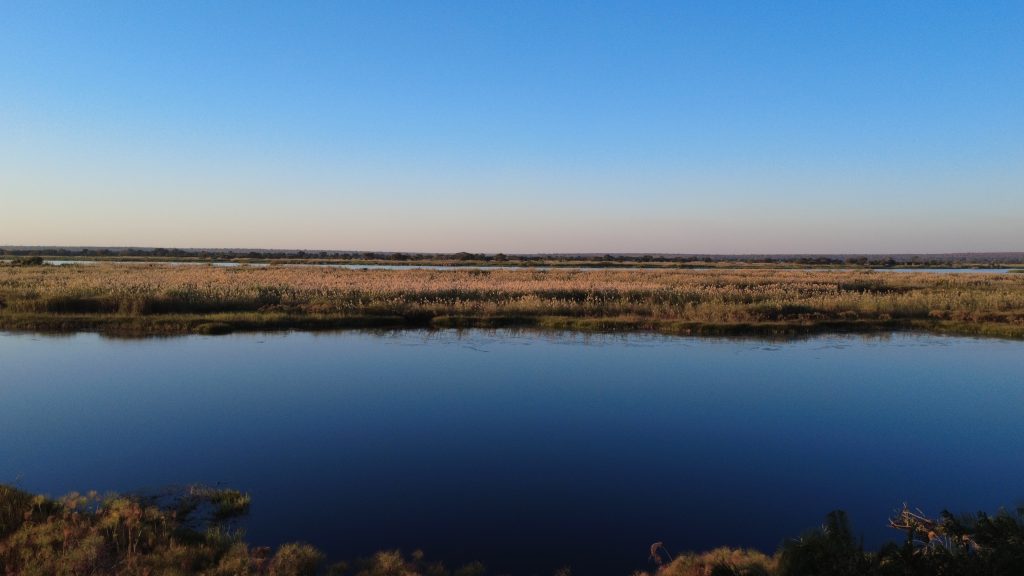
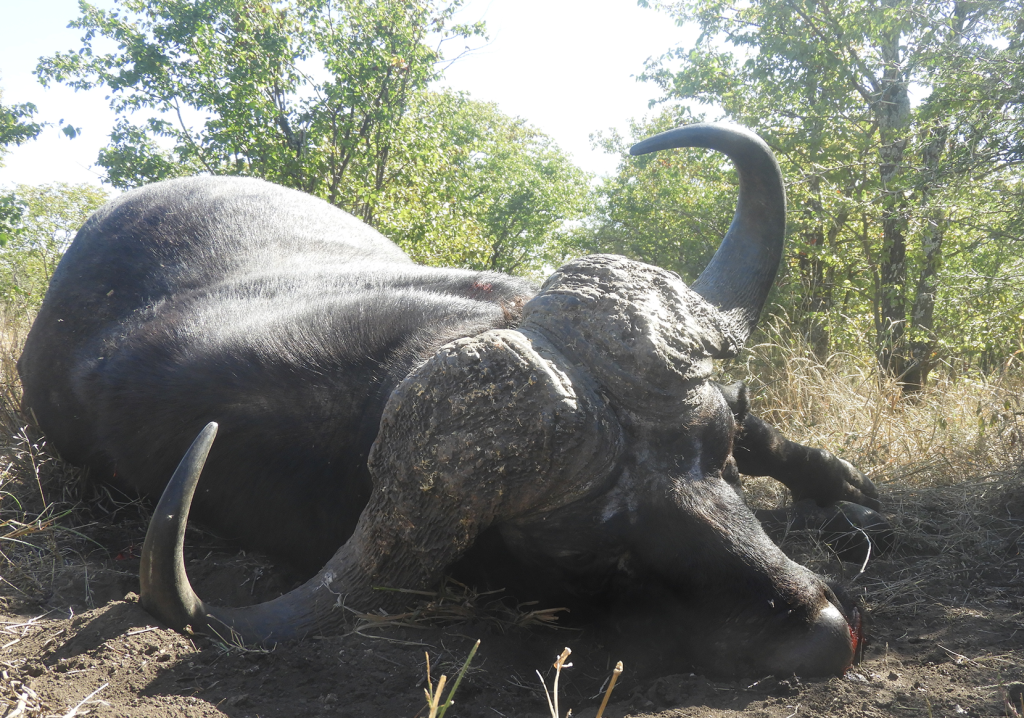
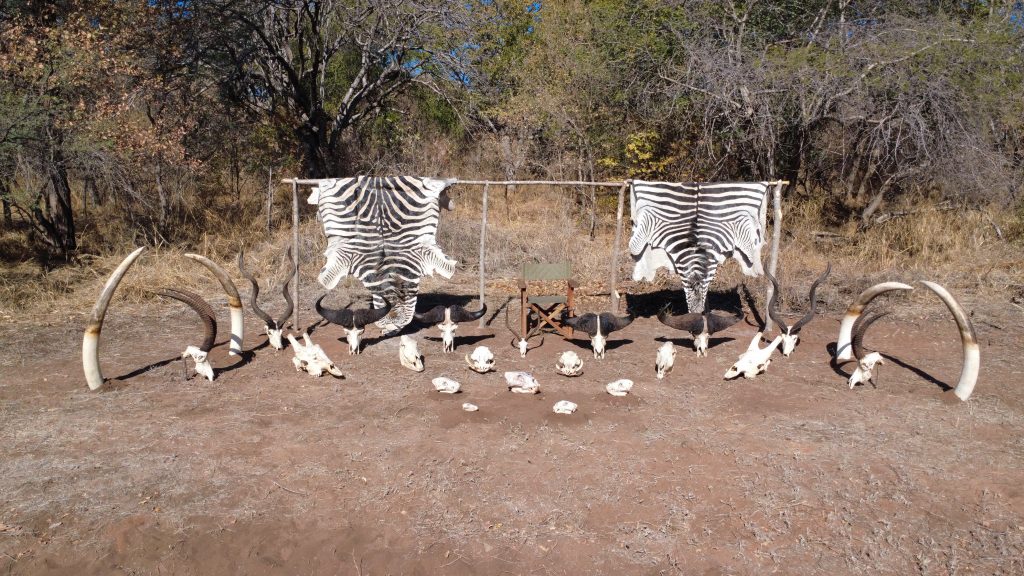
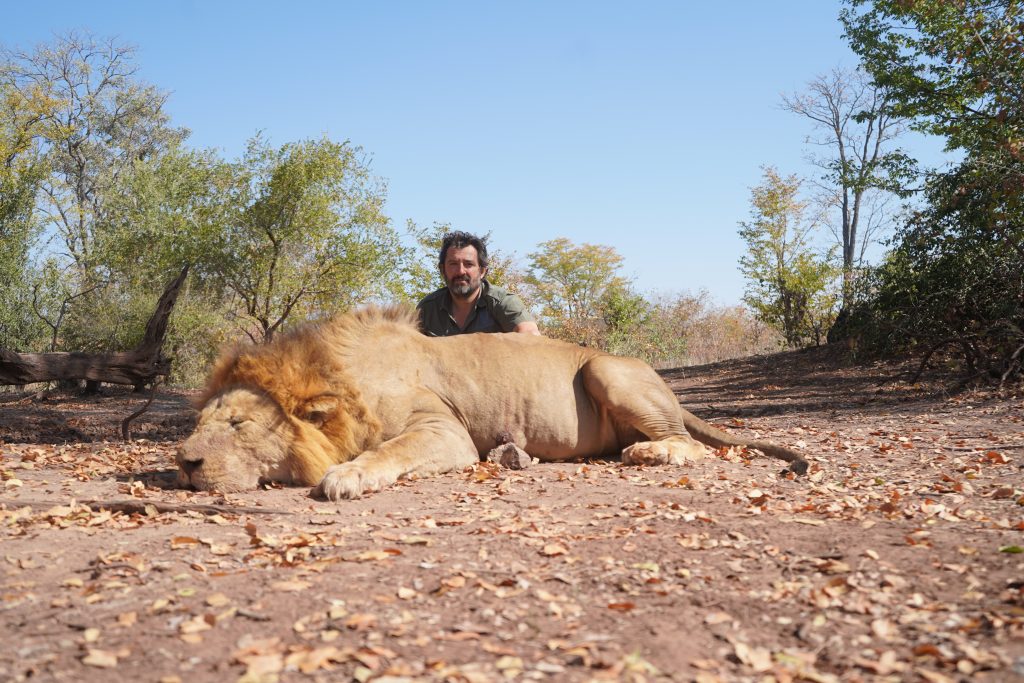
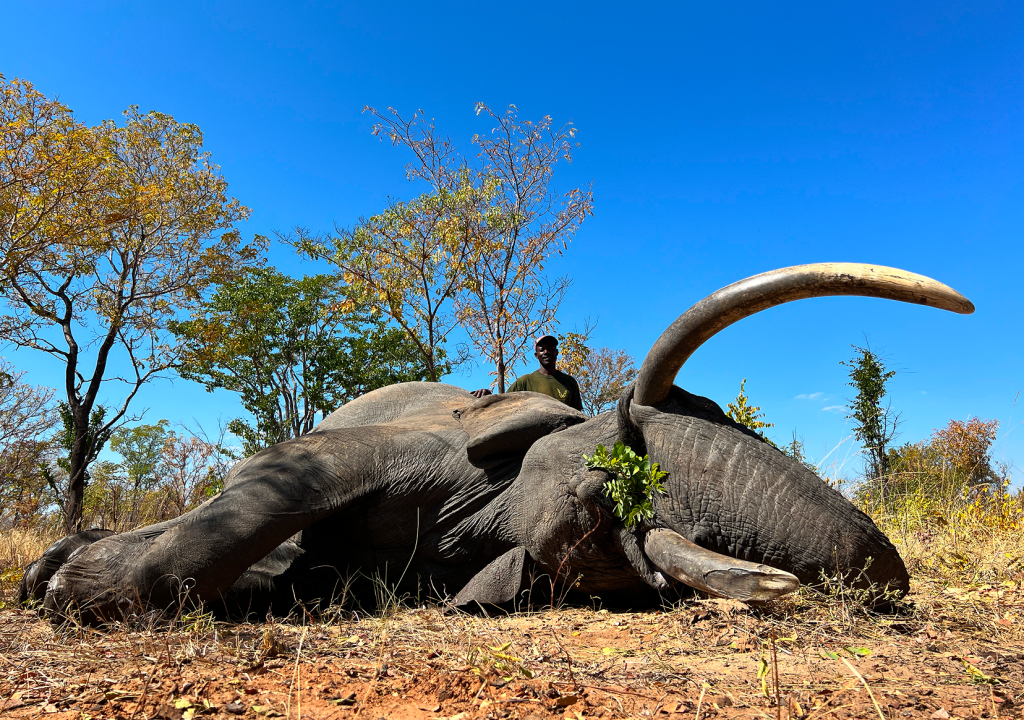
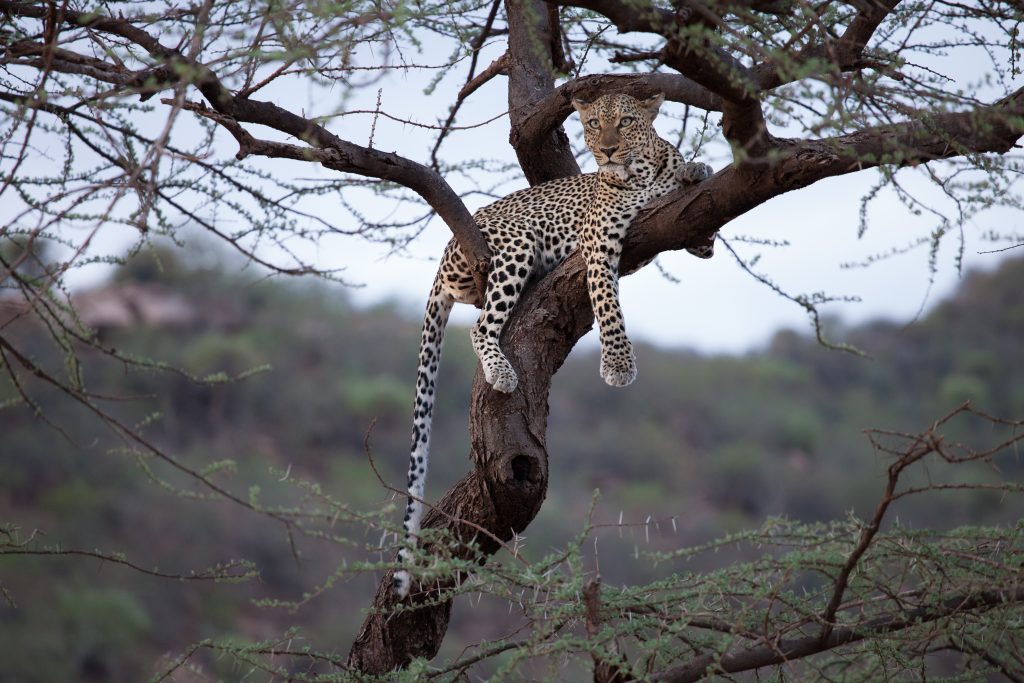
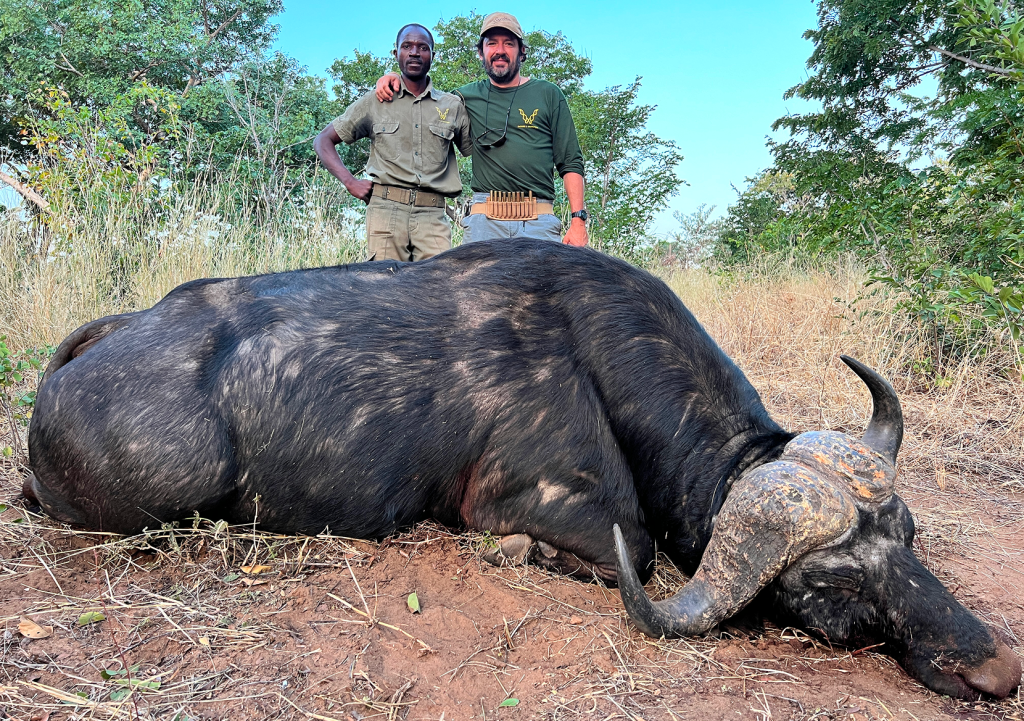
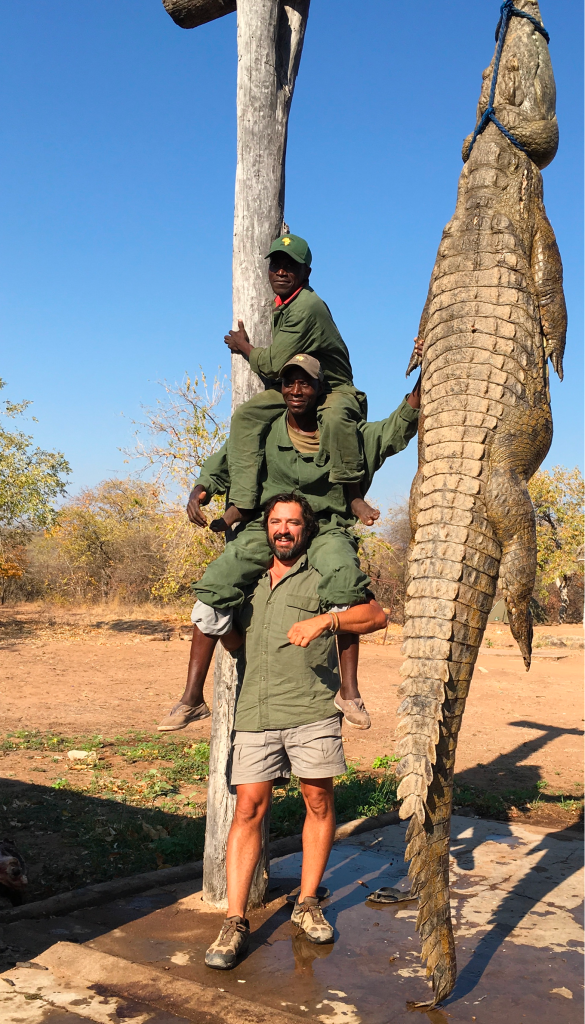
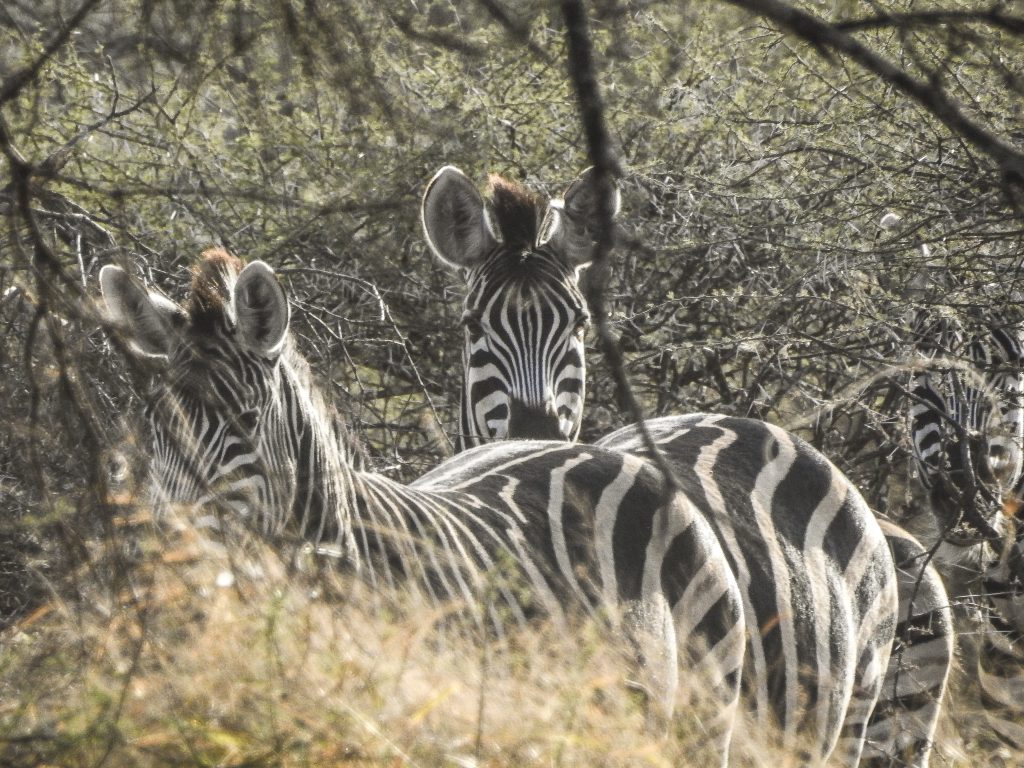
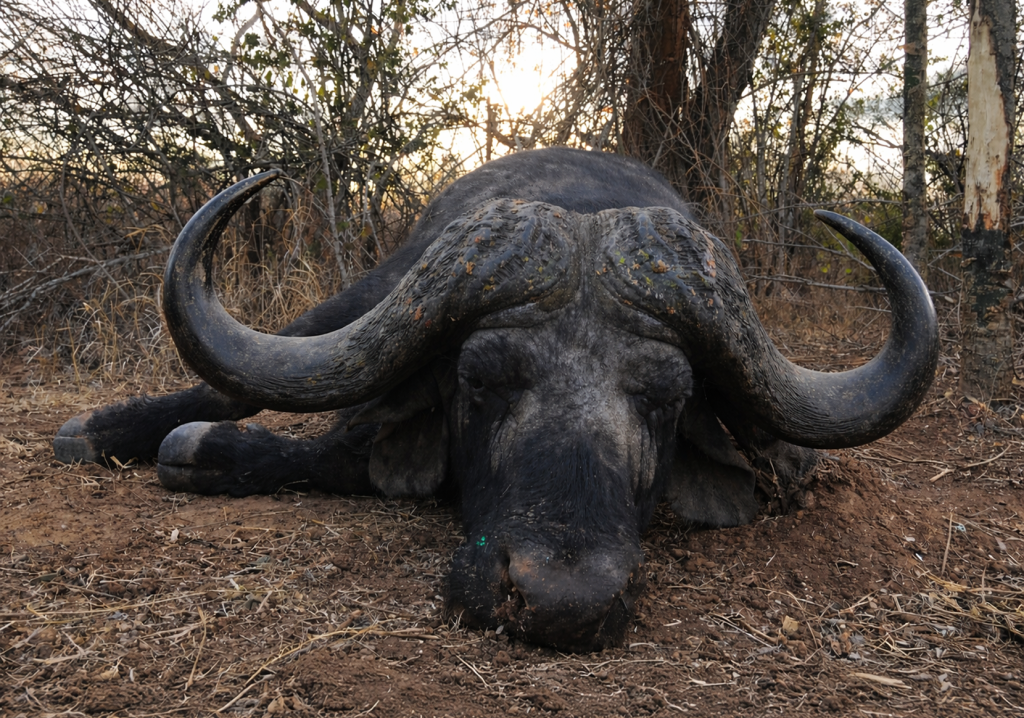
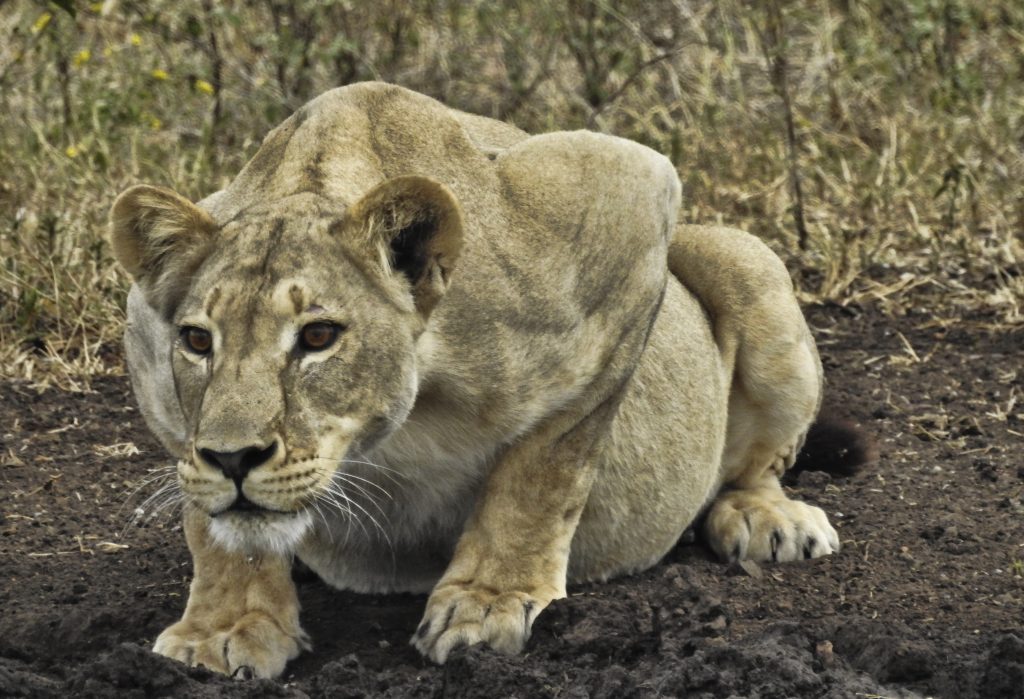
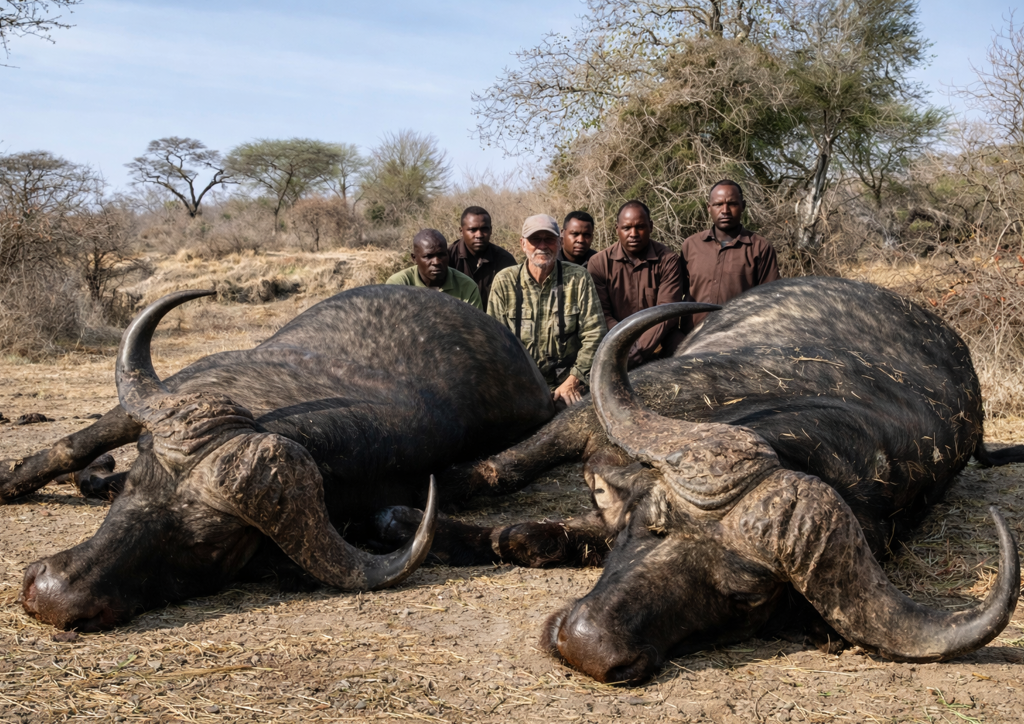
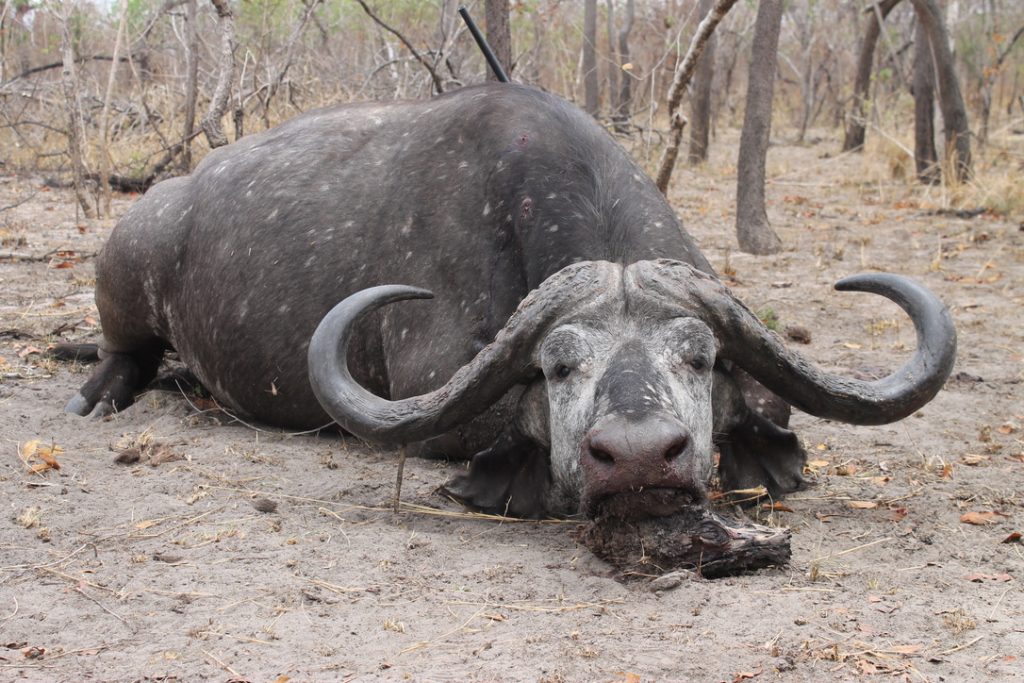
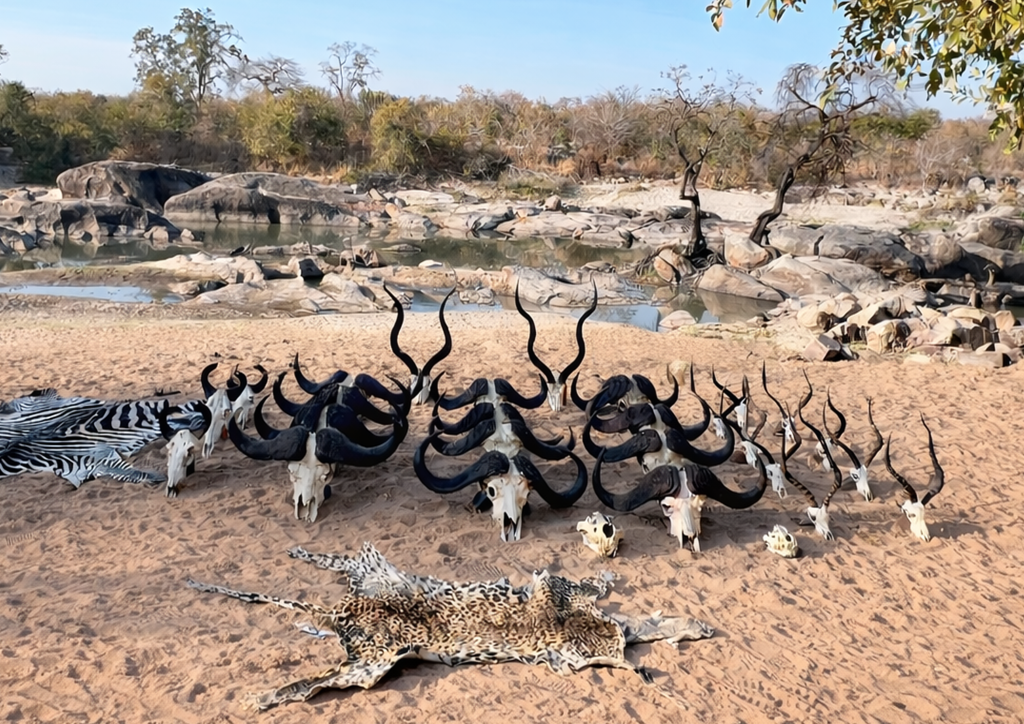
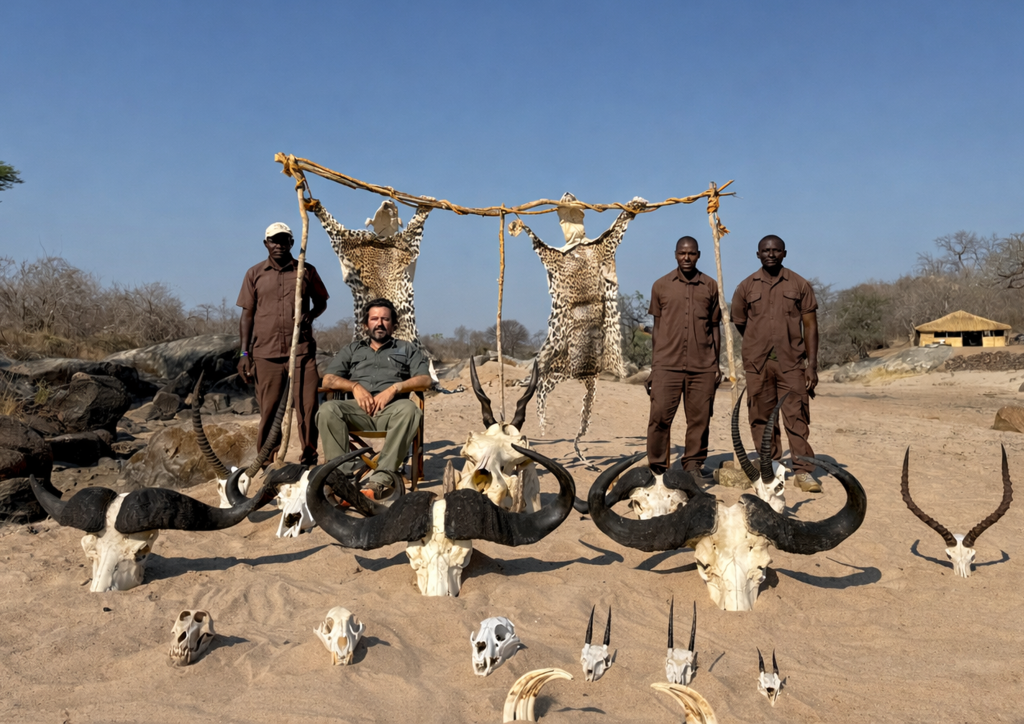
Located along Lake Cahora Bassa in northern Tete Province near the Zimbabwe border and the Zambezi River, this nearly one-million-acre concession offers diverse habitats including mopane woodland, bushveld and riverine areas, supporting strong populations of Sable, Roan, Kudu, Zebra and Impala, as well as Elephant, Buffalo, Lion, Leopard, Hippo and large Nile Crocodile.
- Key Species: Sable, Roan, Kudu, Zebra, Impala, Elephant, Buffalo, Lion, Leopard, Hippo, Large Nile Crocodile.
- Season: The season runs from May through November, with the prime months being July through September.
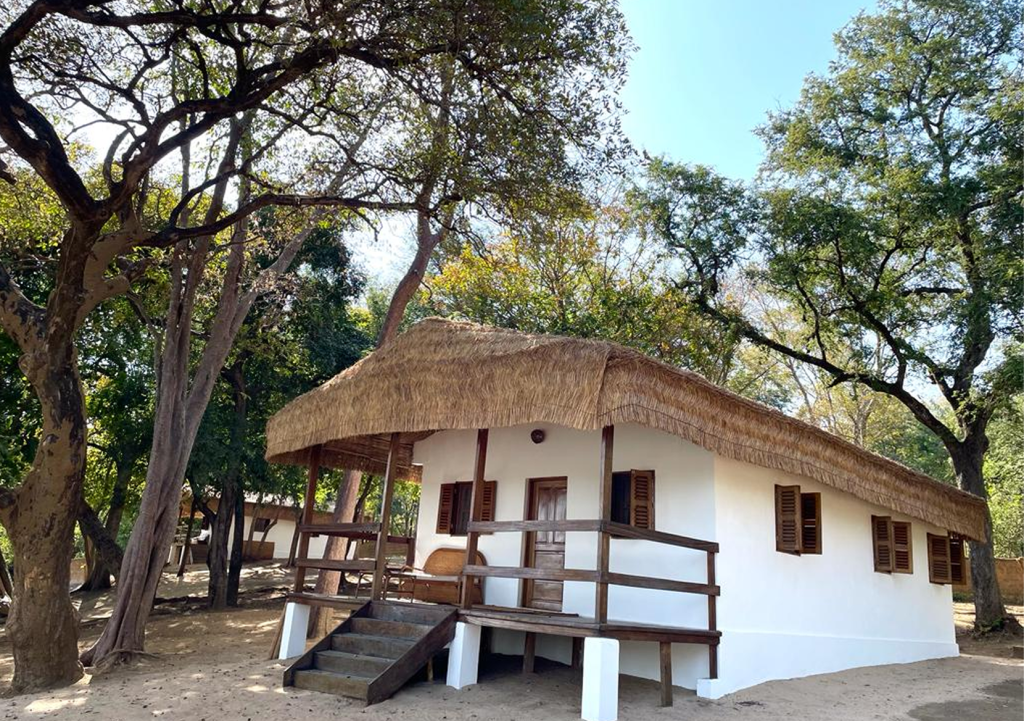
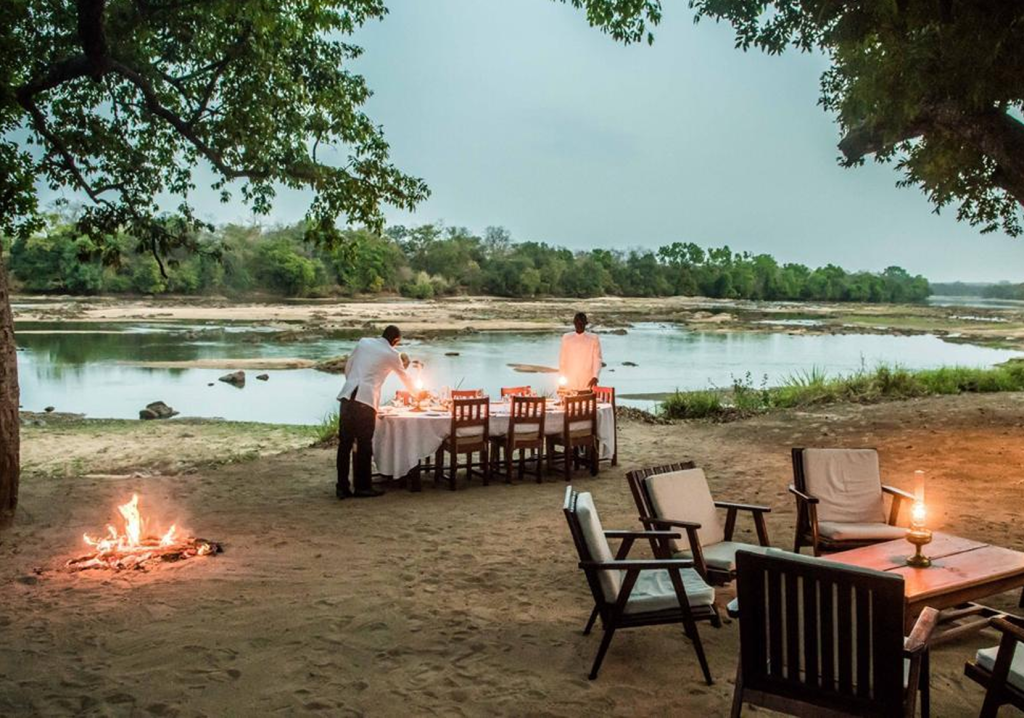
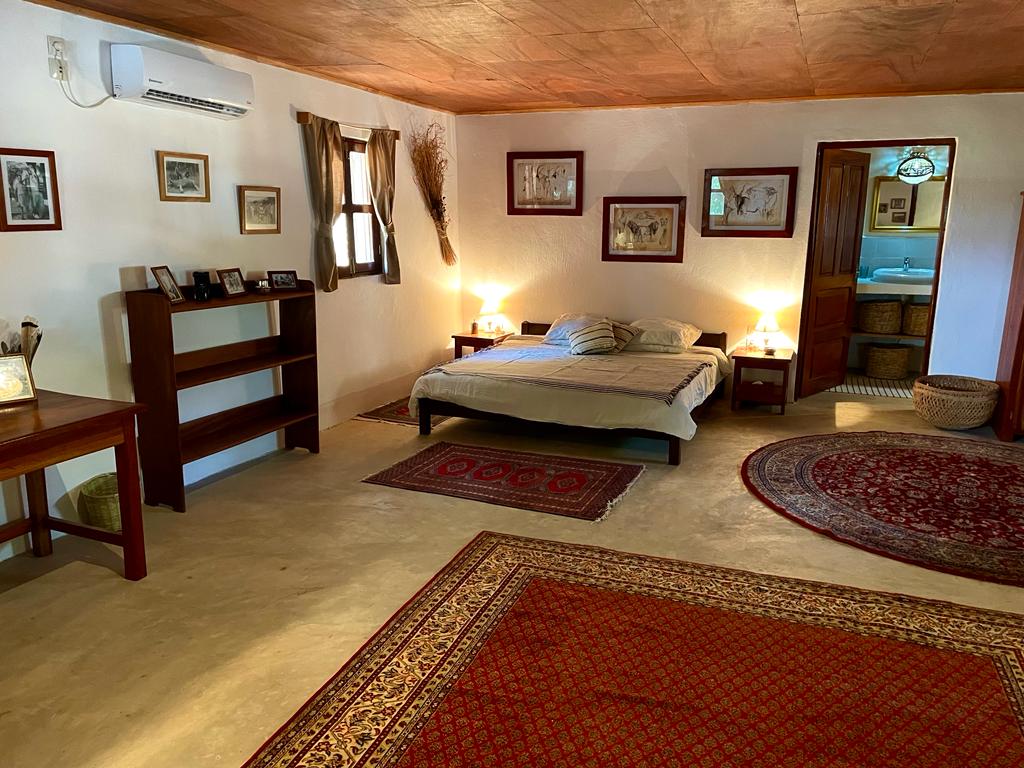
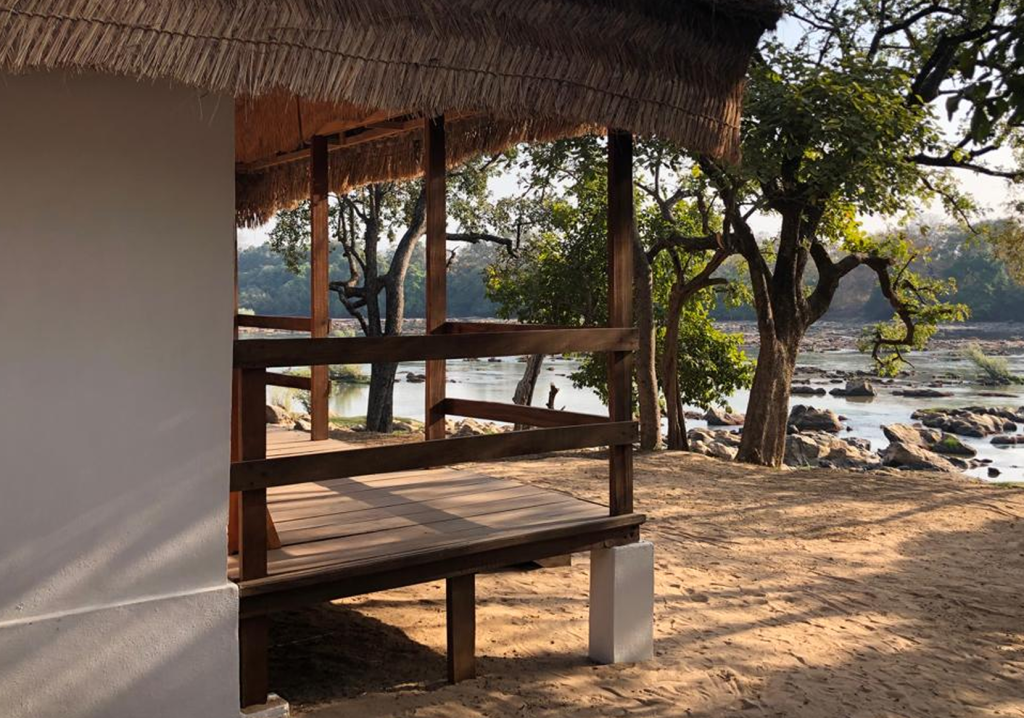
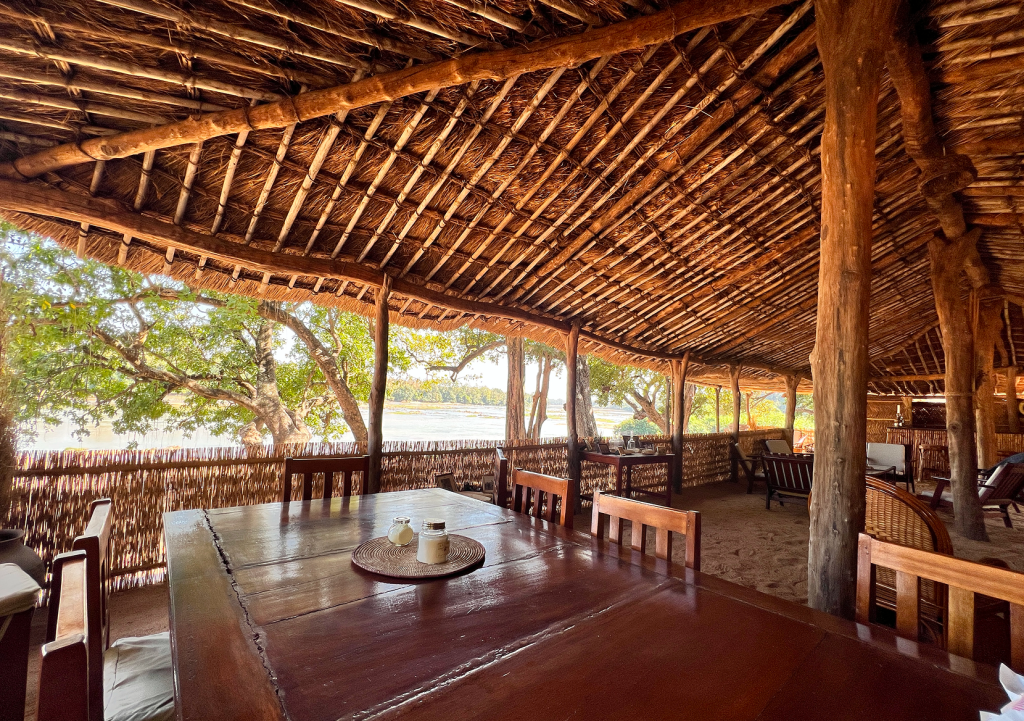
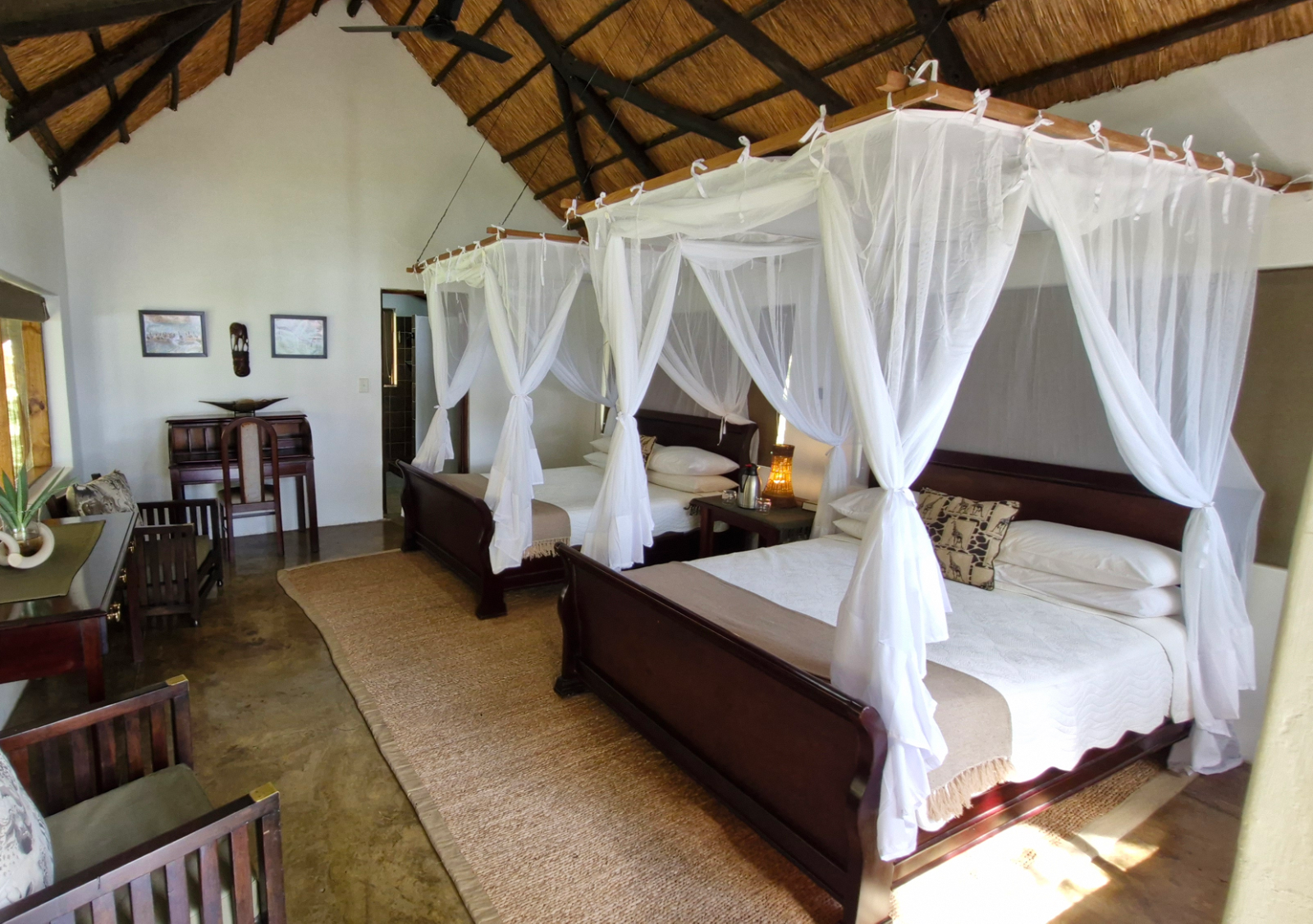
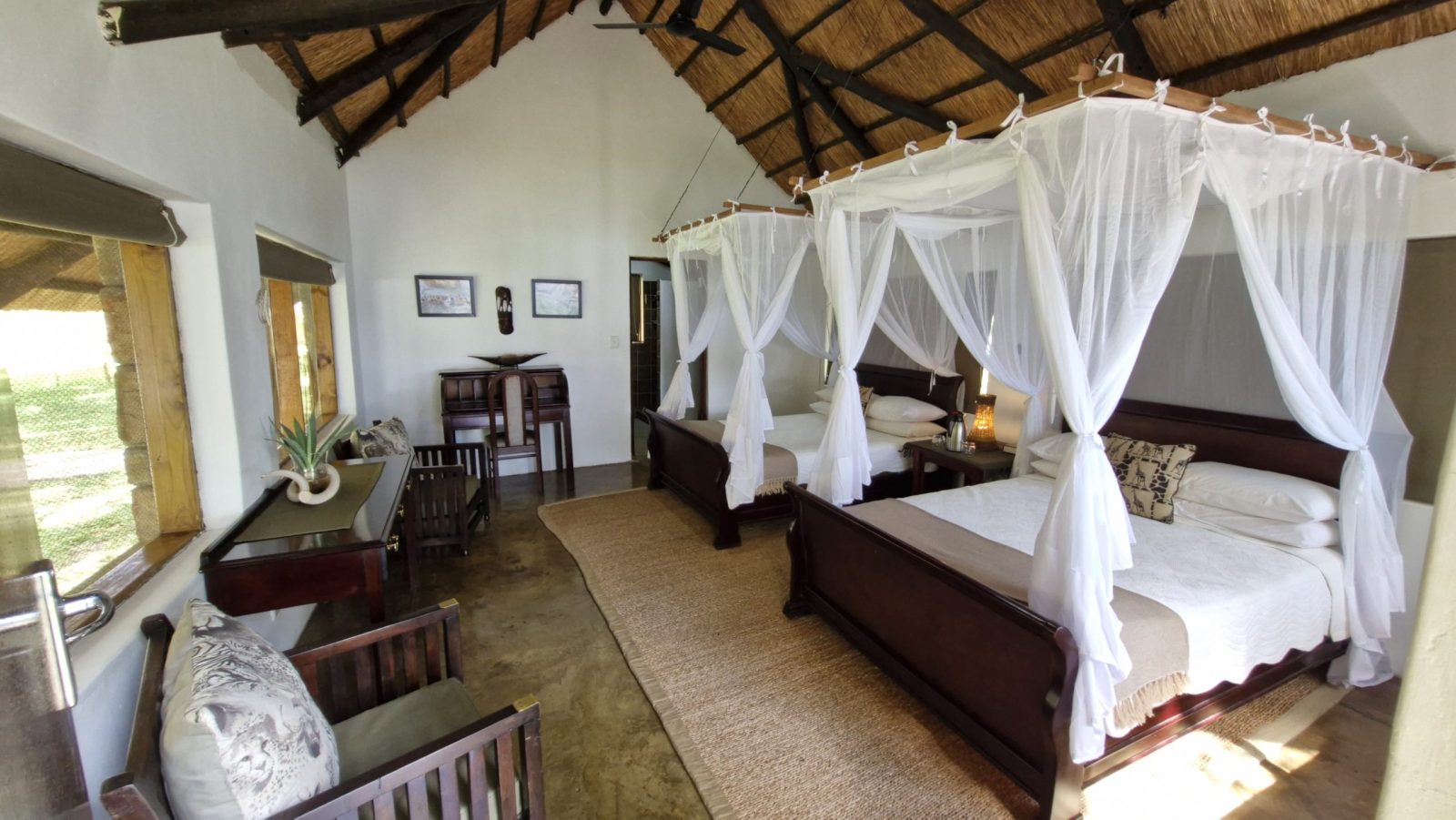
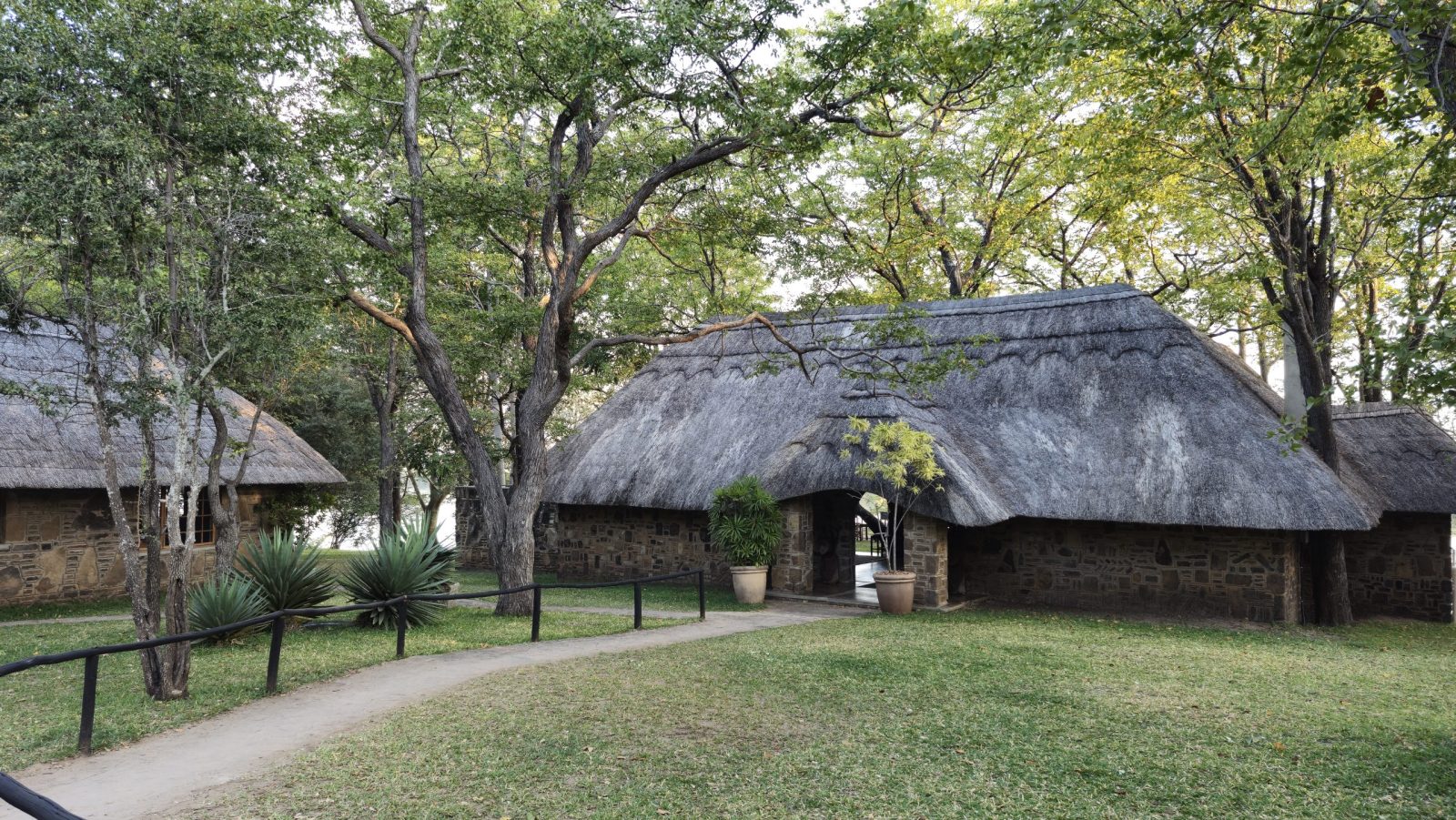
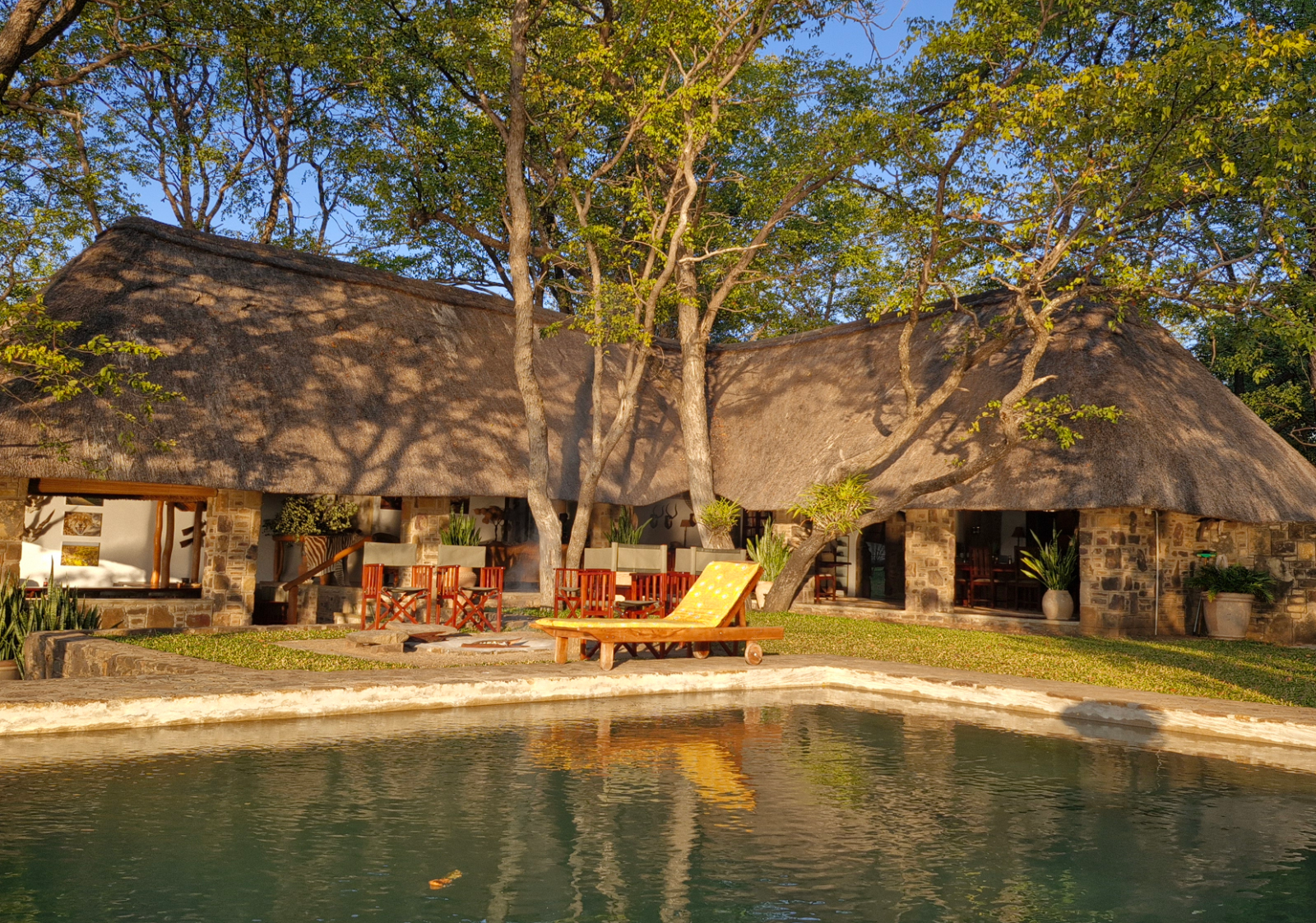
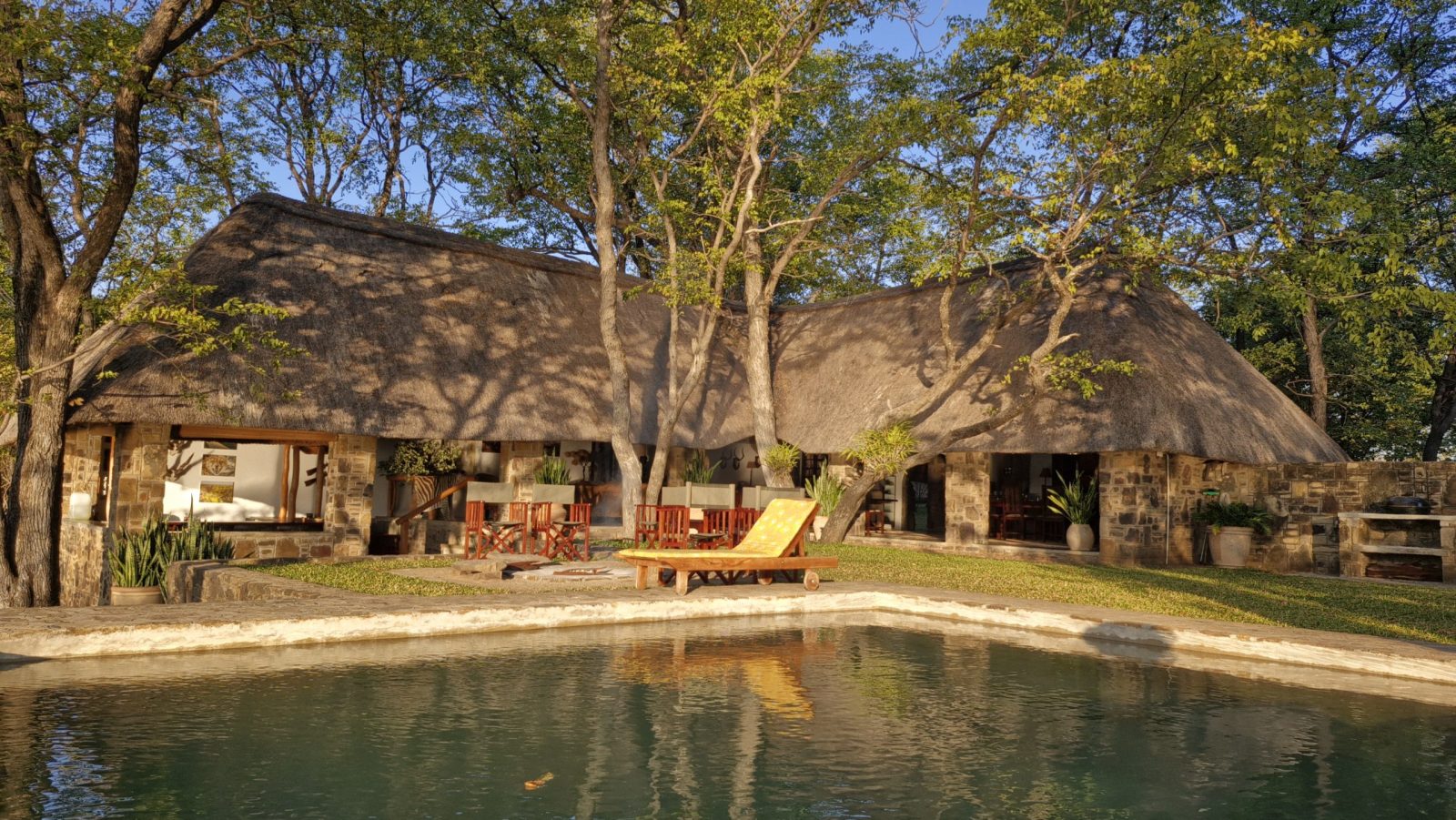
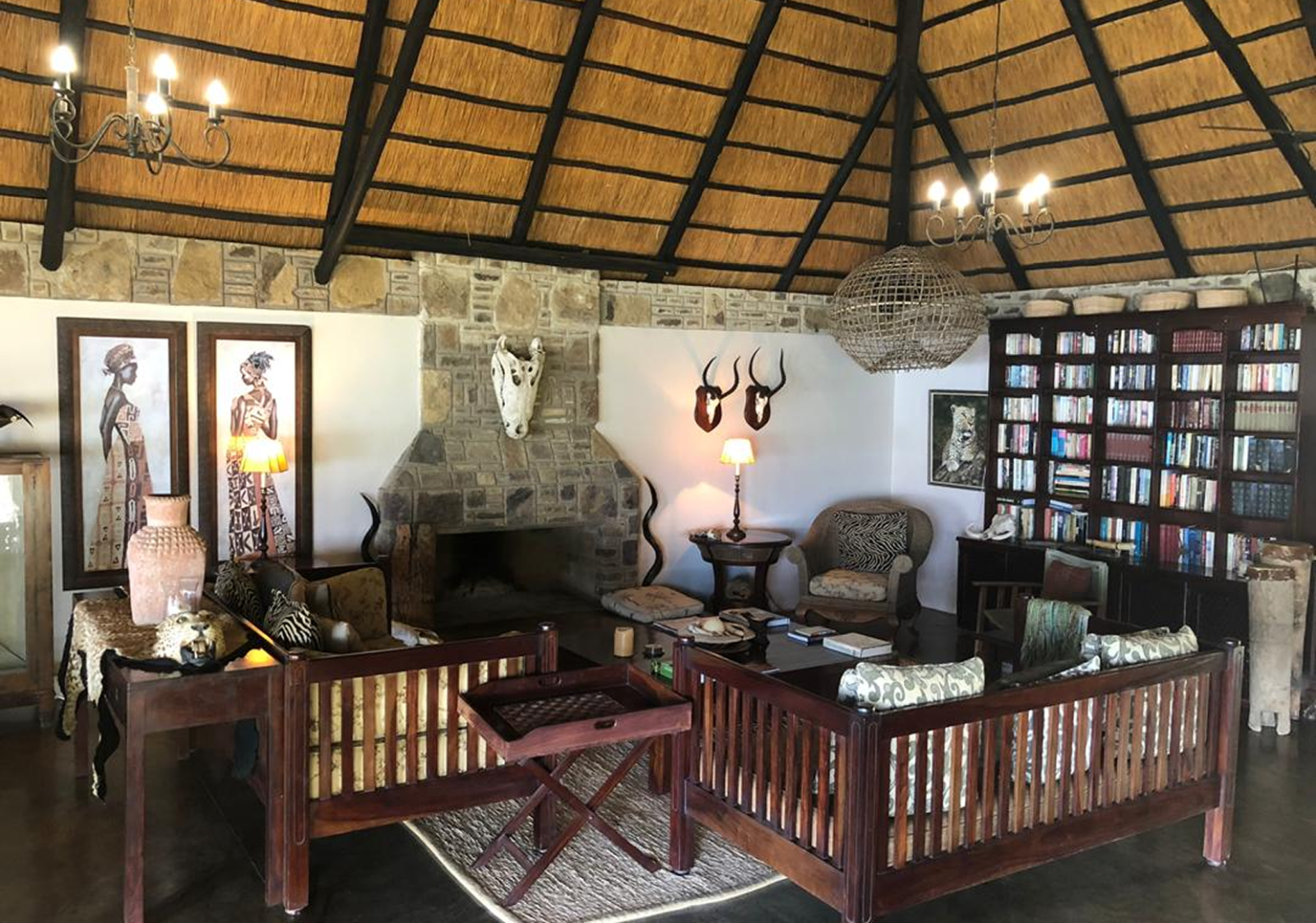
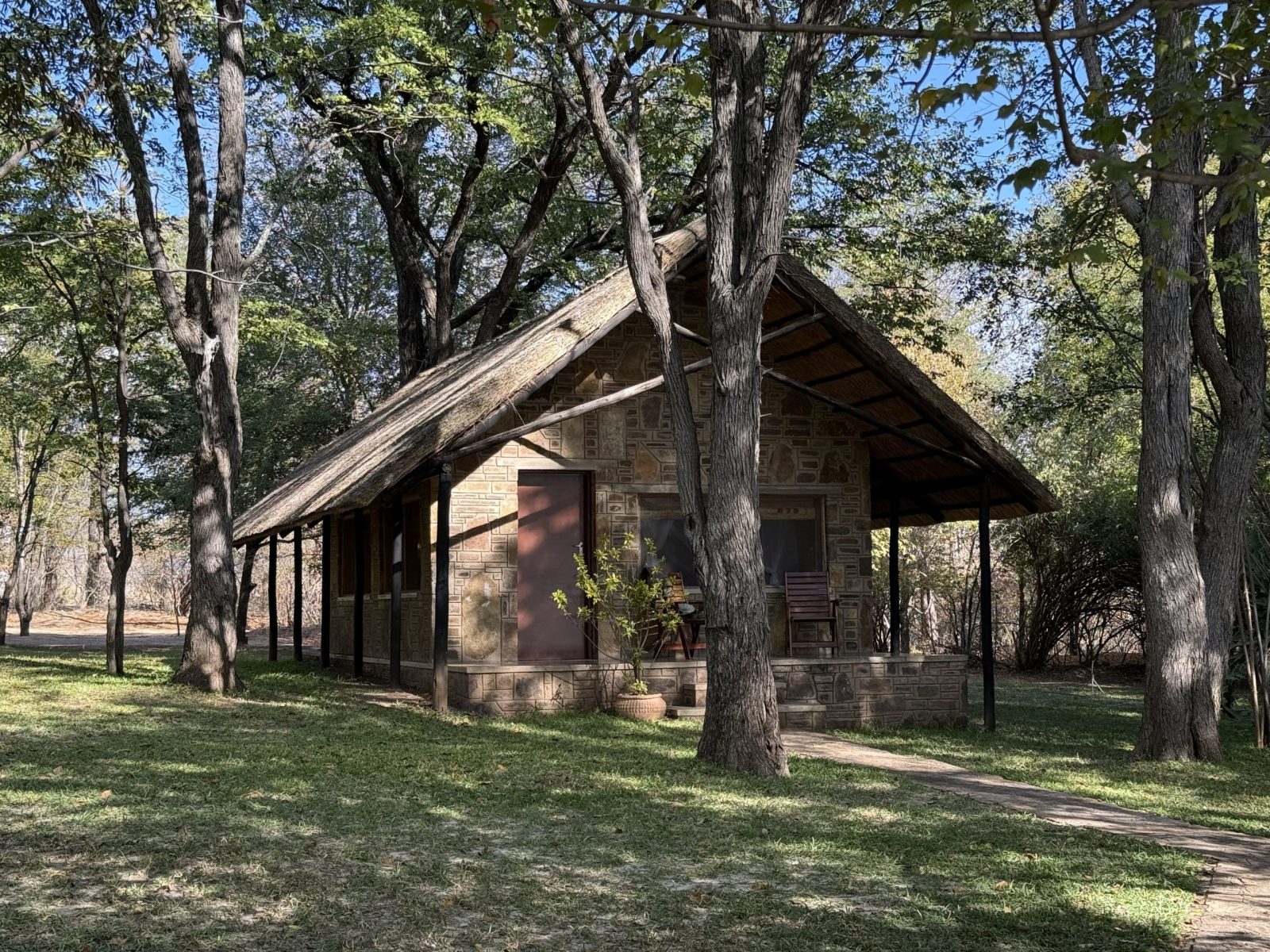
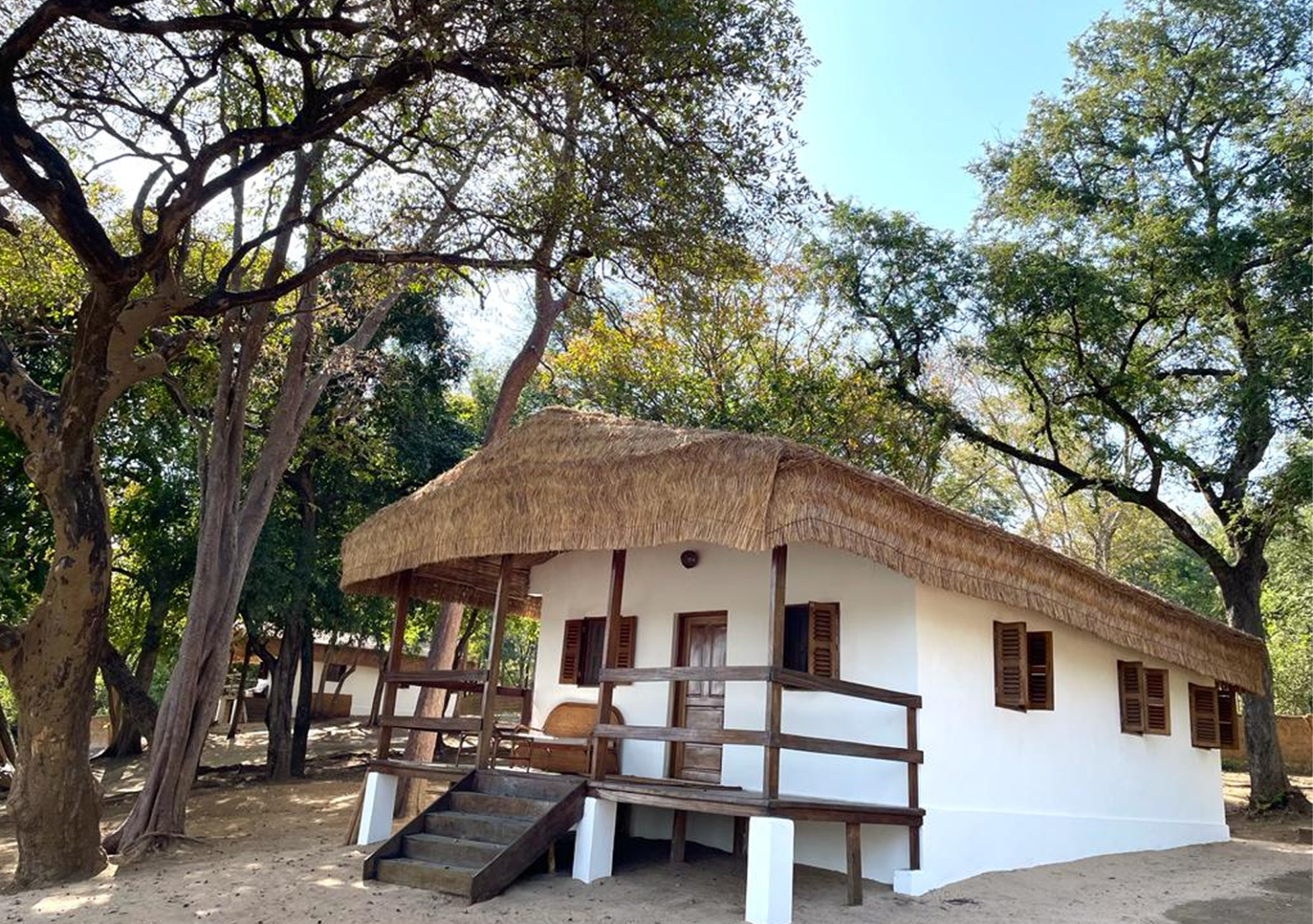
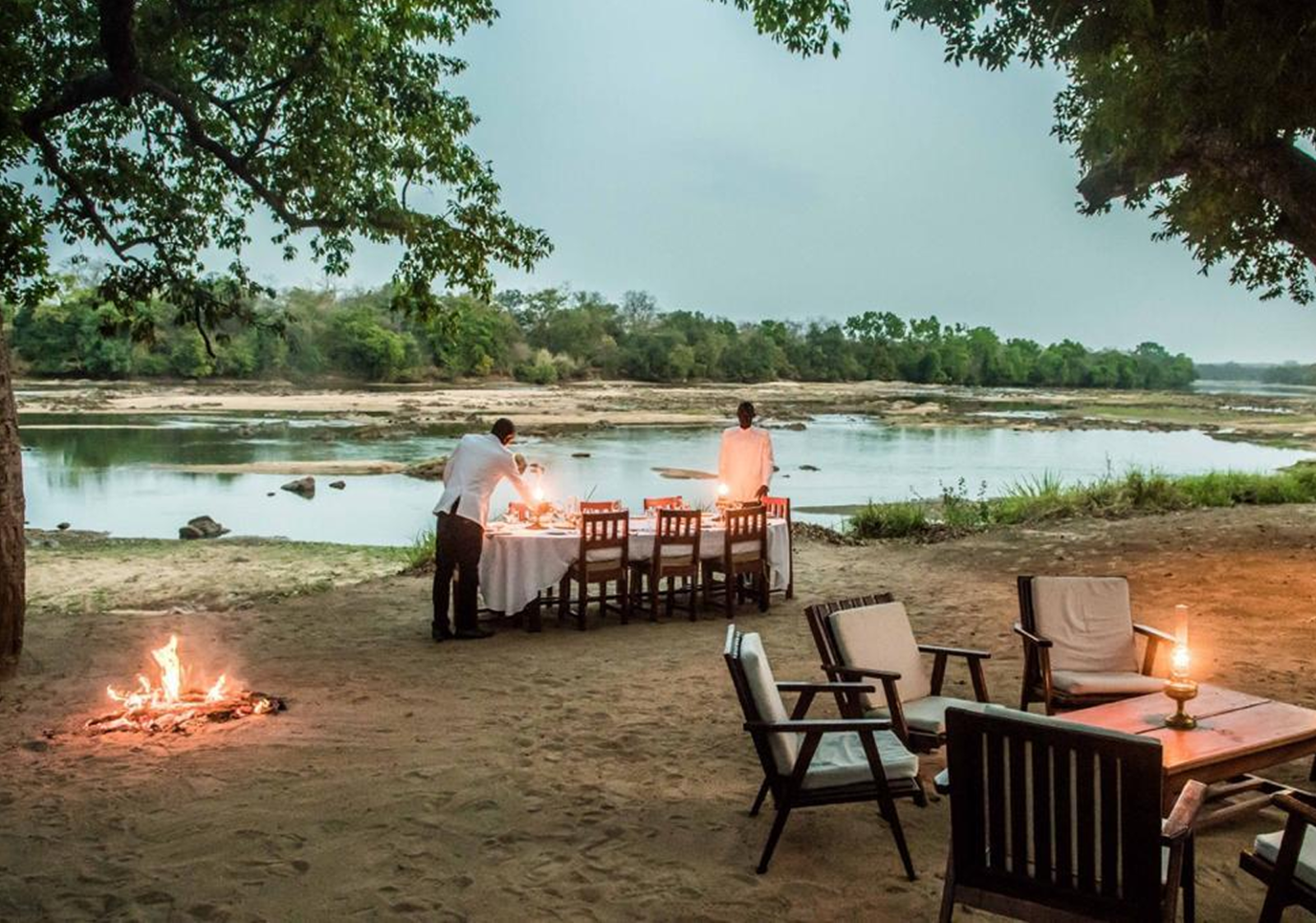
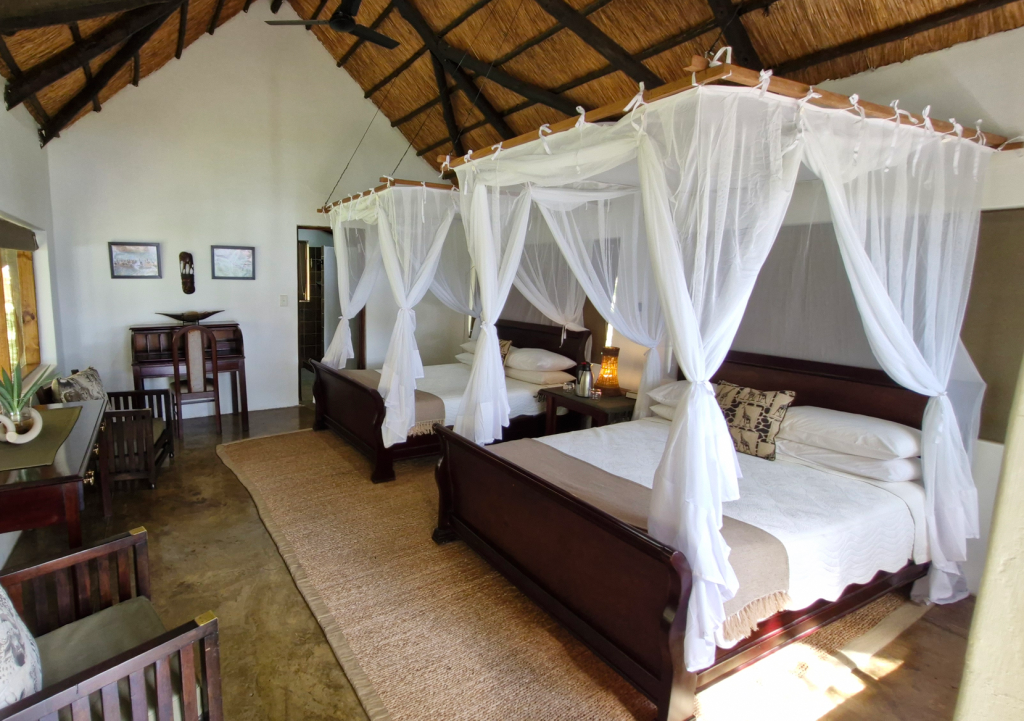
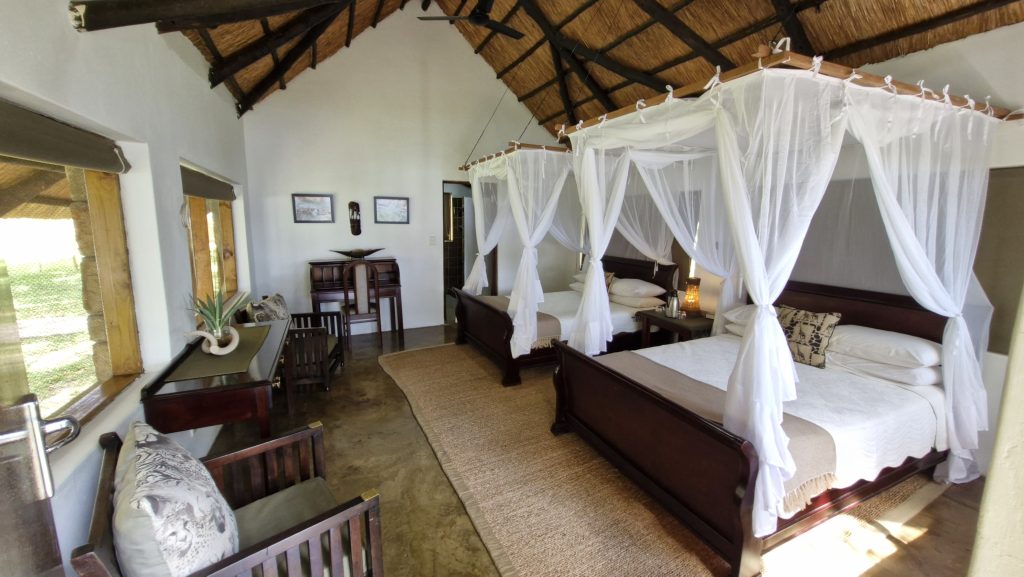
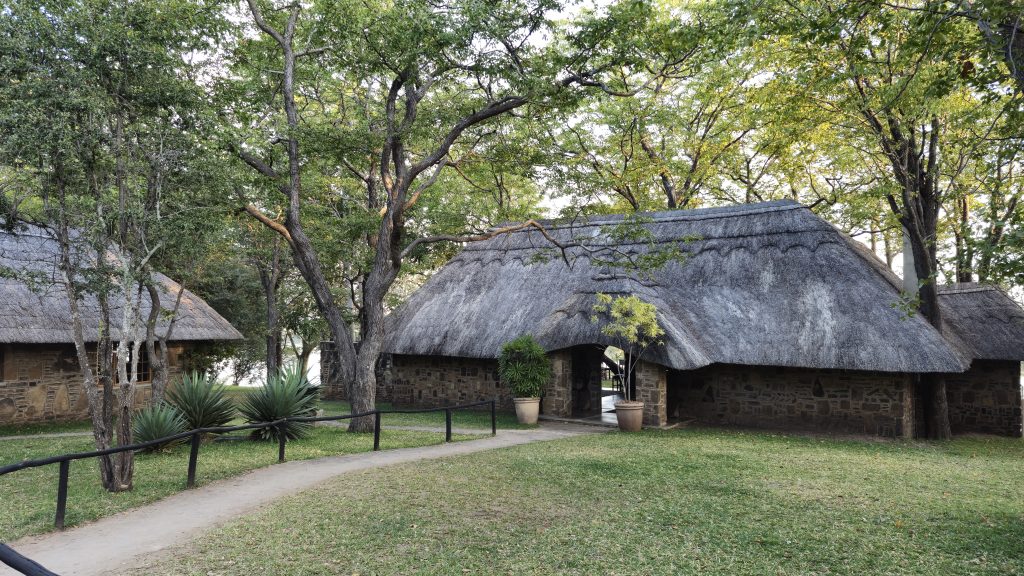
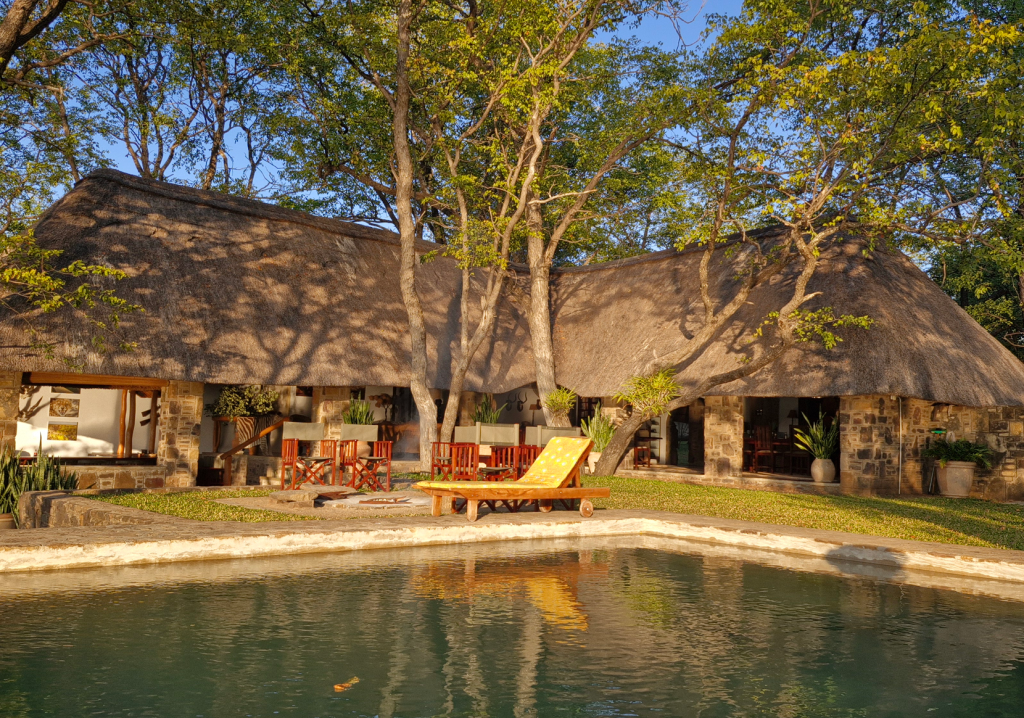
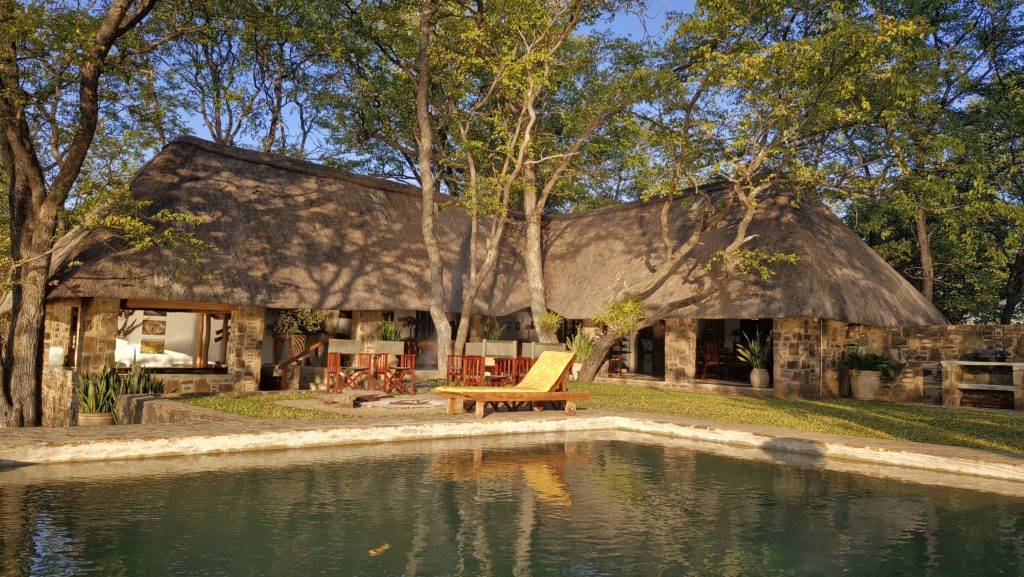
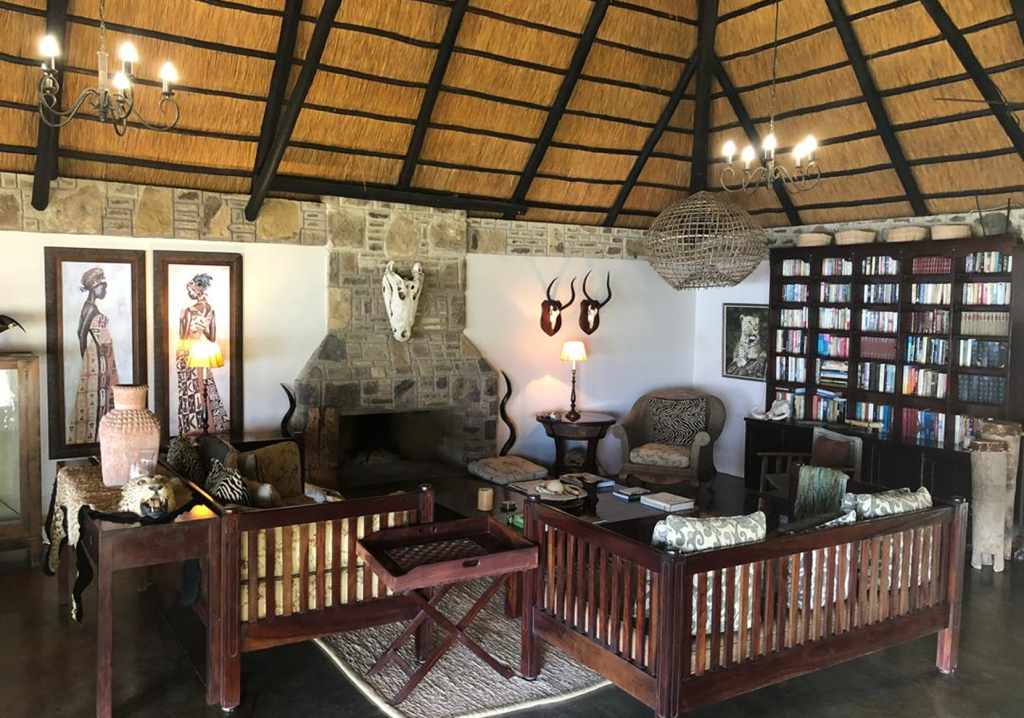
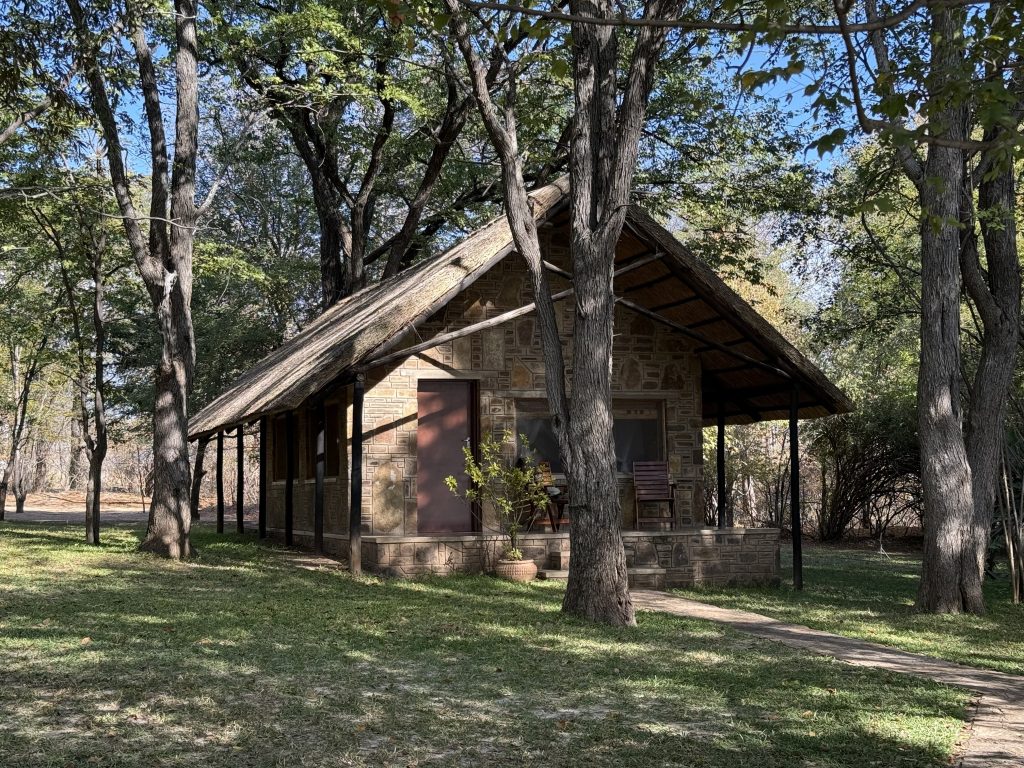
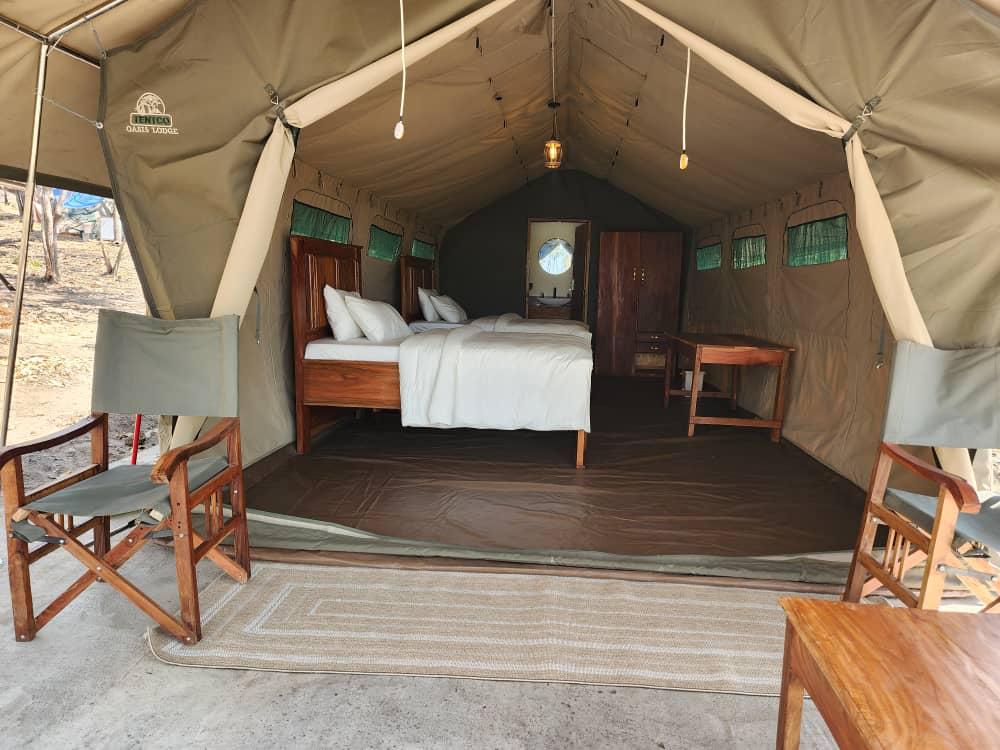
- Accommodation: The camps are very comfortable and offer a classic old-style safari atmosphere, with East African tented camps or traditional brick-and-thatch constructions, fully equipped for a high-quality wilderness experience.
- Access: Access is via international flight to Harare, Tete, or Johannesburg, followed by a charter flight directly into camp (King Air or Cessna 206). Soft duffel bags are required due to aircraft space limitations.
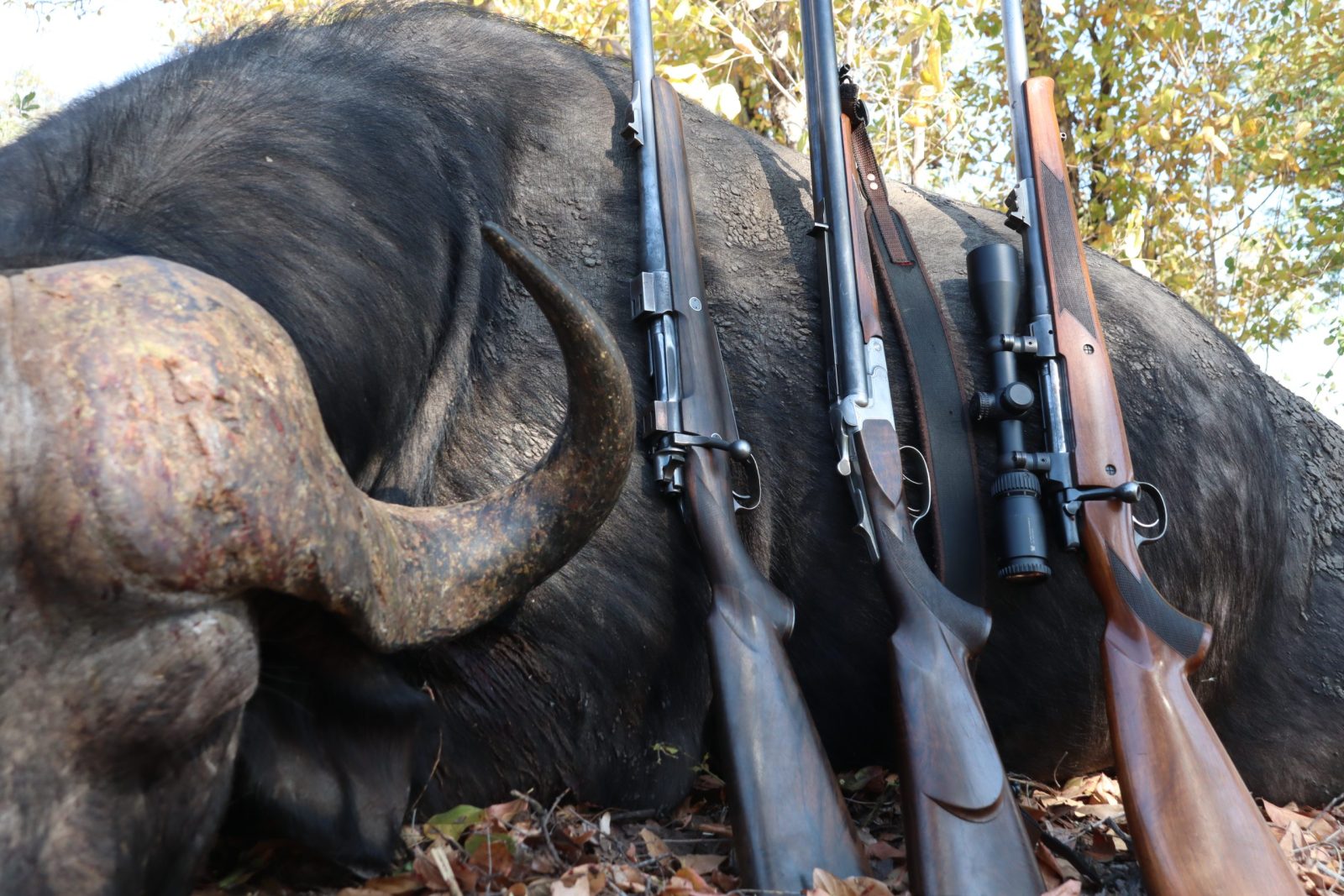
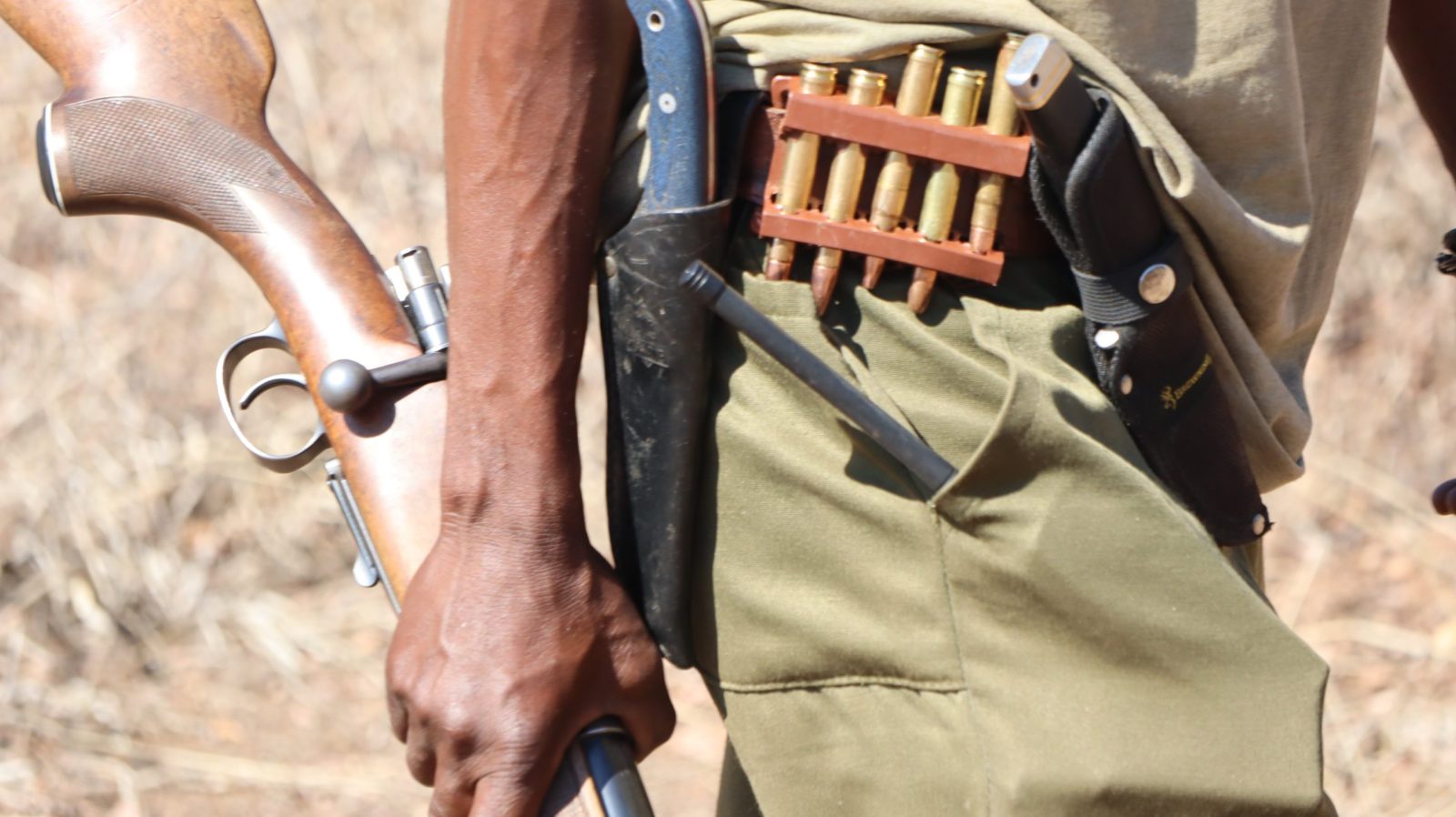
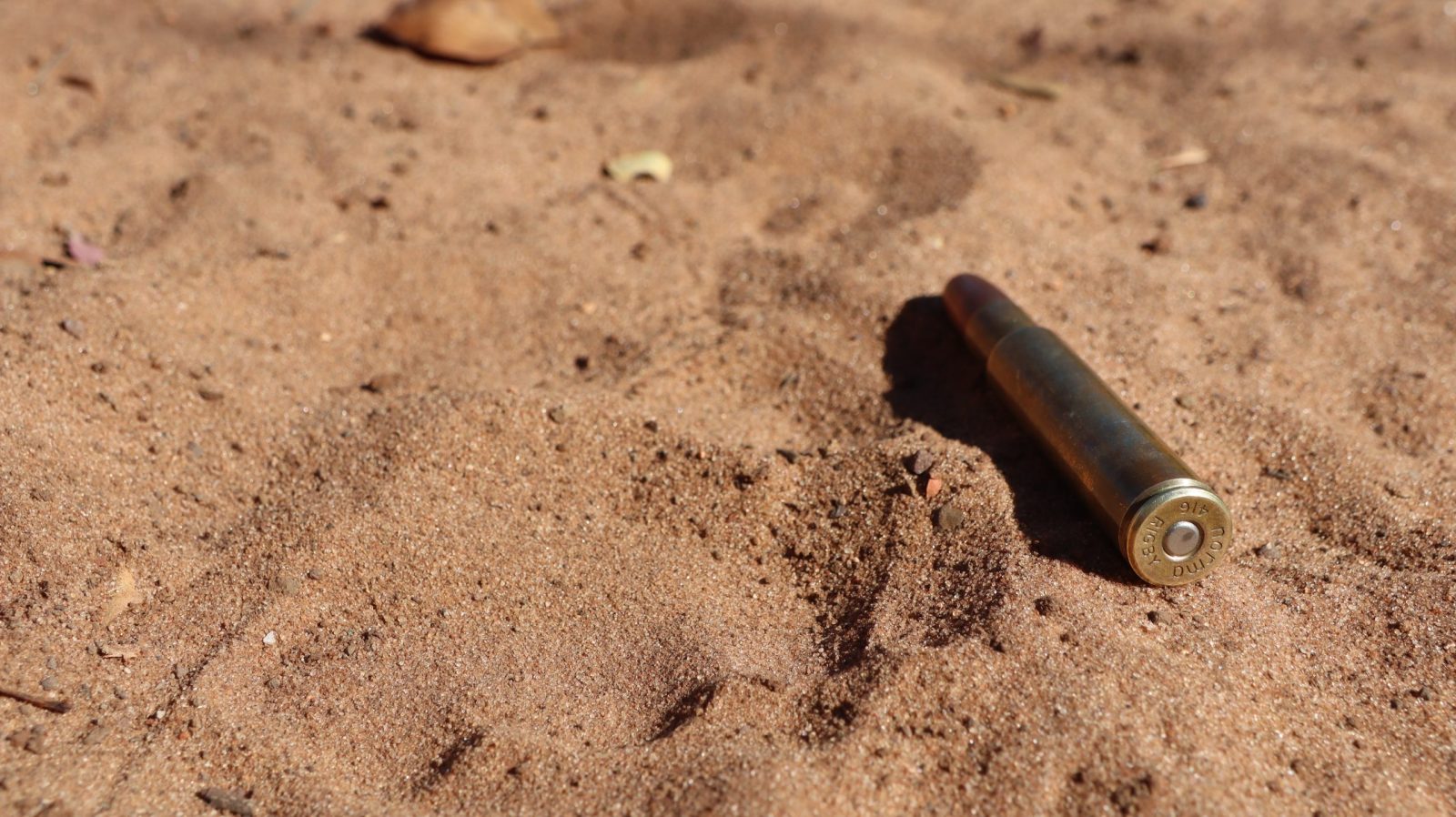
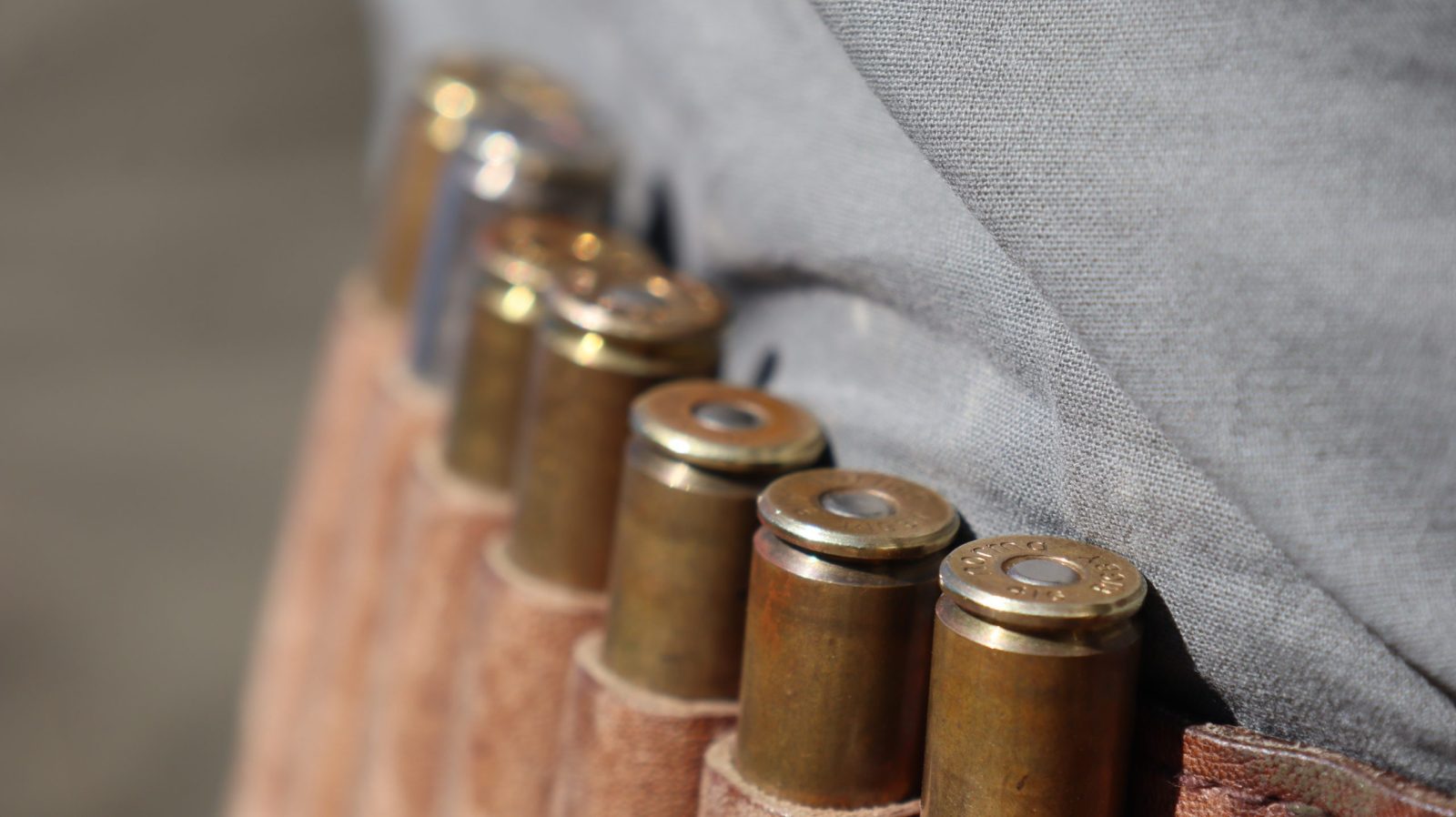
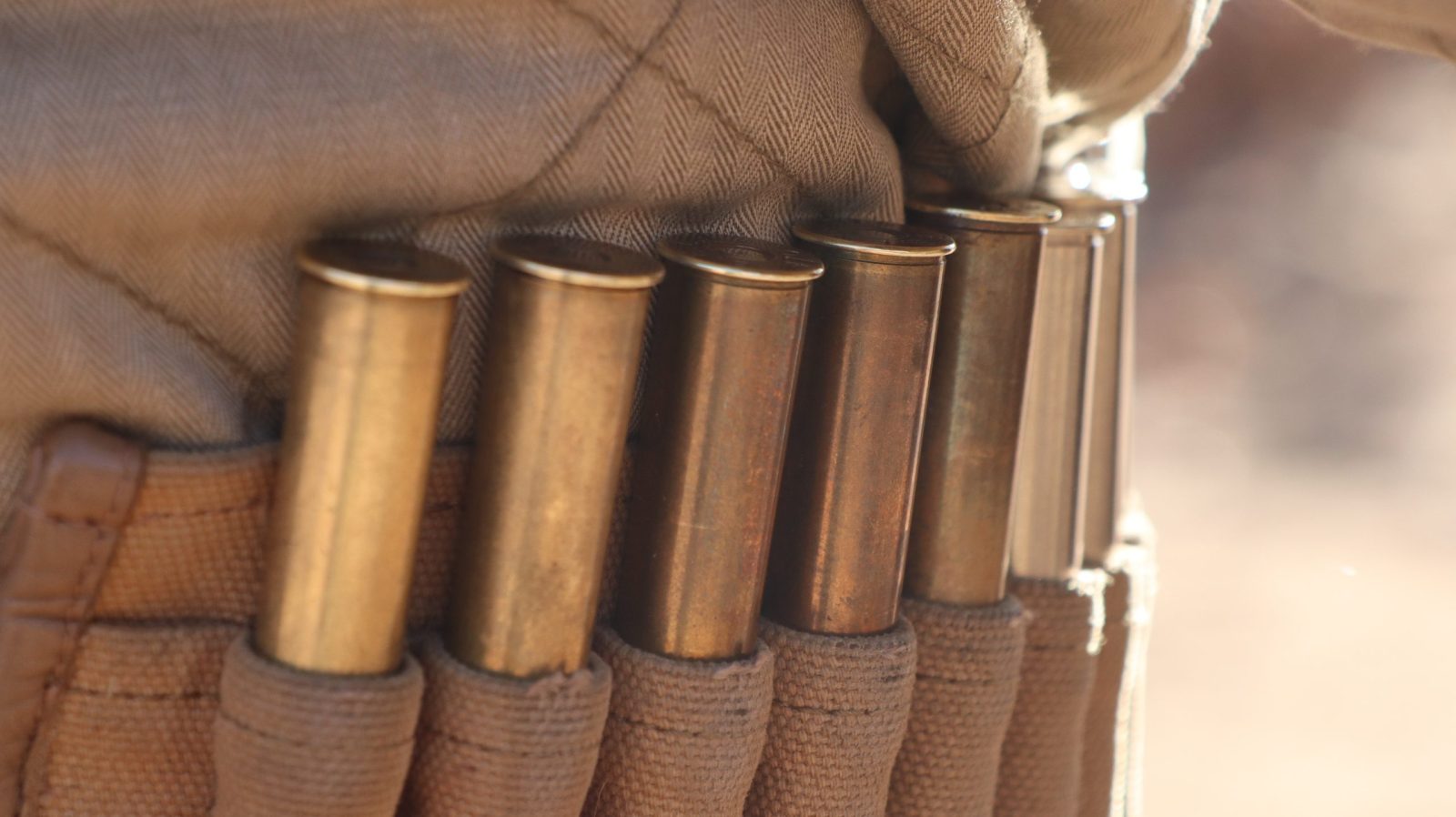
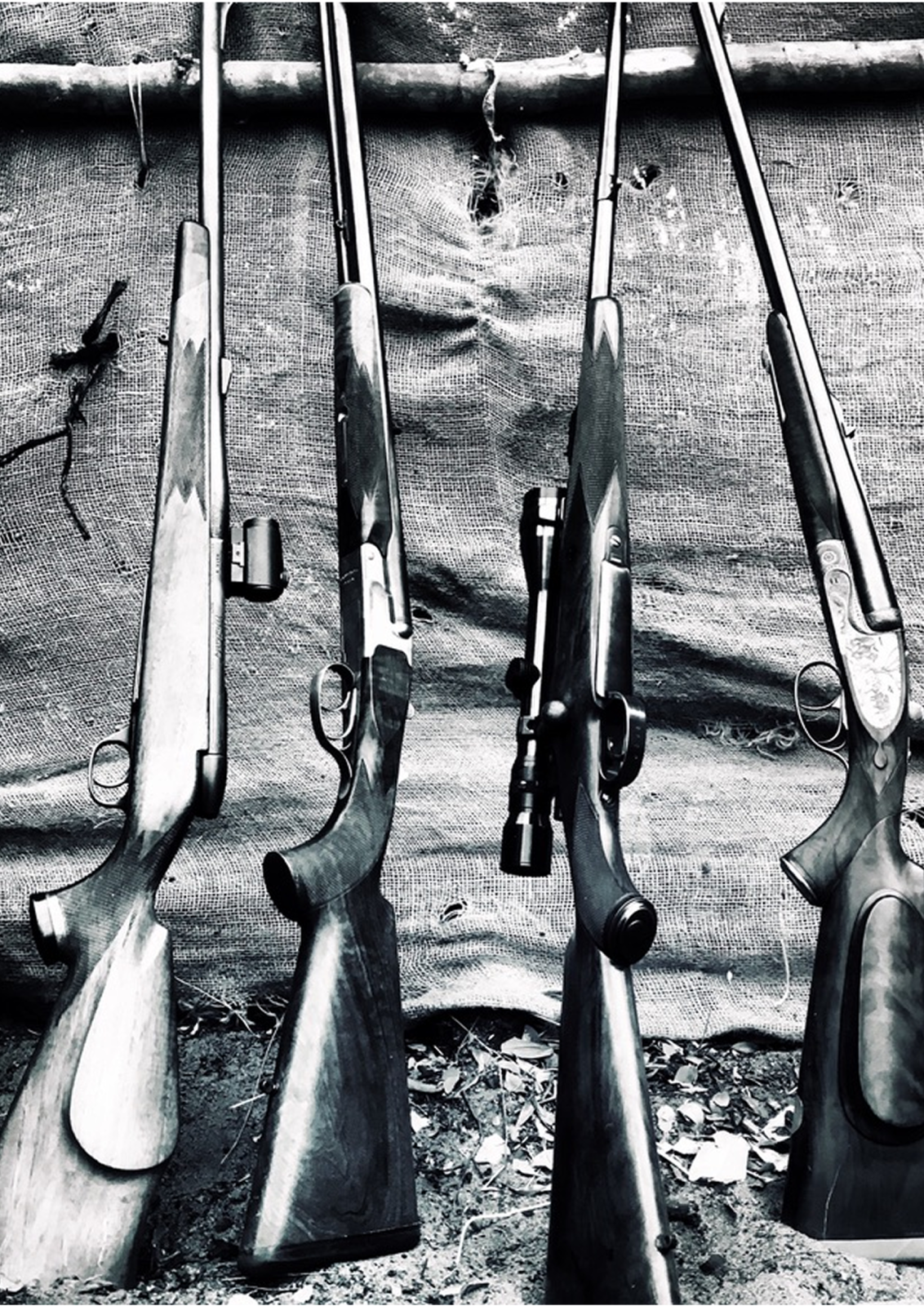
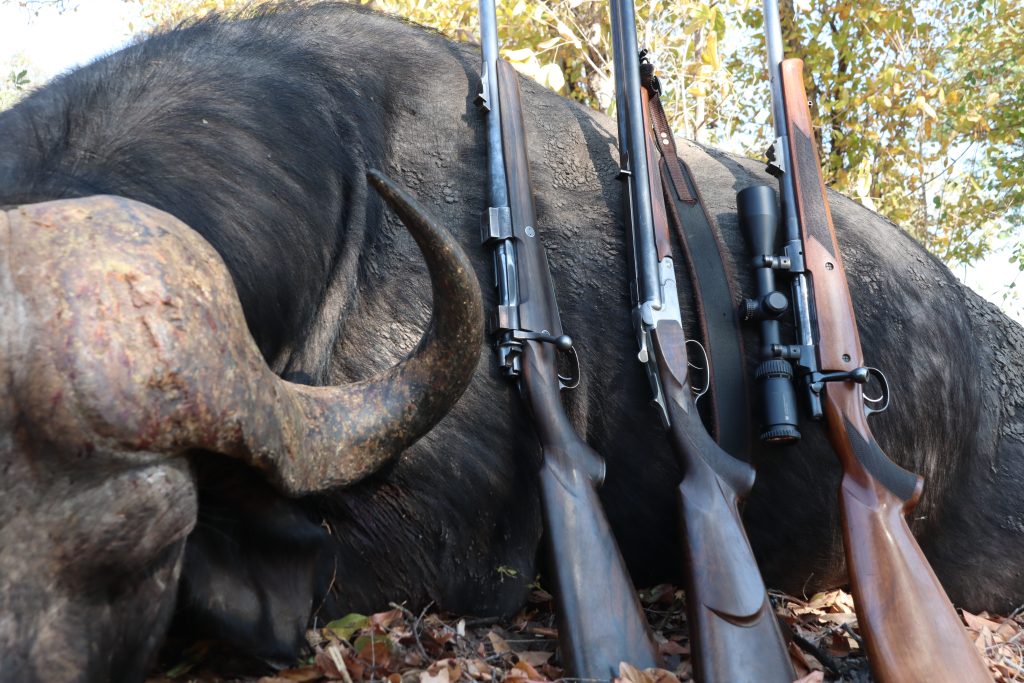
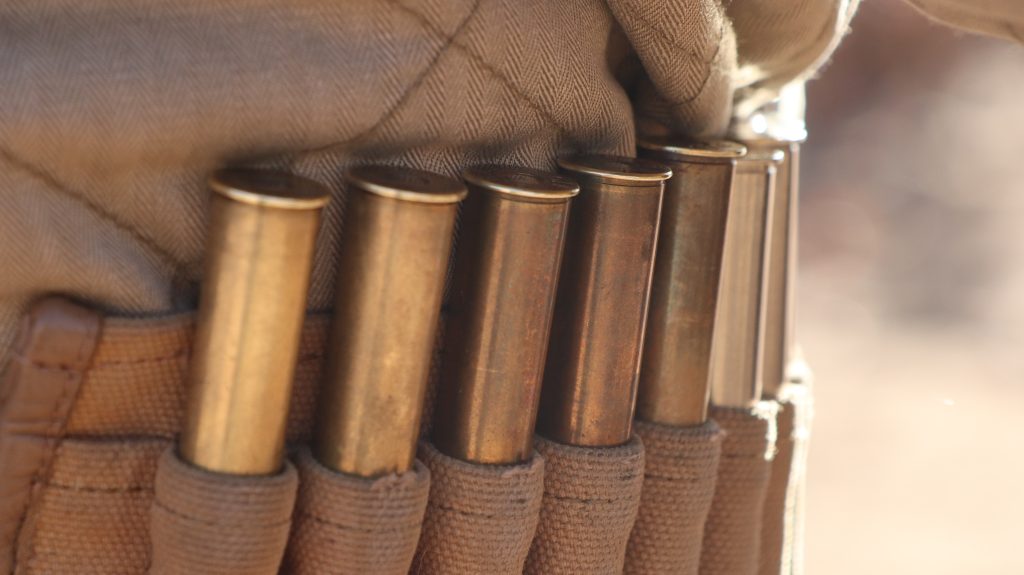
- Caliber: The minimum legal caliber for dangerous game is .375 H&H. A .300 or 7mm caliber is suitable for leopard and plains game. Hunting licenses and rifle permits are processed by HUNTS BR on behalf of the hunter.
- Health: Mozambique is a malaria area, therefore prophylaxis and preventive measures are essential. Hunters and companions should travel with appropriate medical and travel insurance coverage.
- Temperature: Temperatures are cooler from April to August (20–30°C), with cold early mornings and evenings, while October can reach up to 42°C.
ZIMBABWE

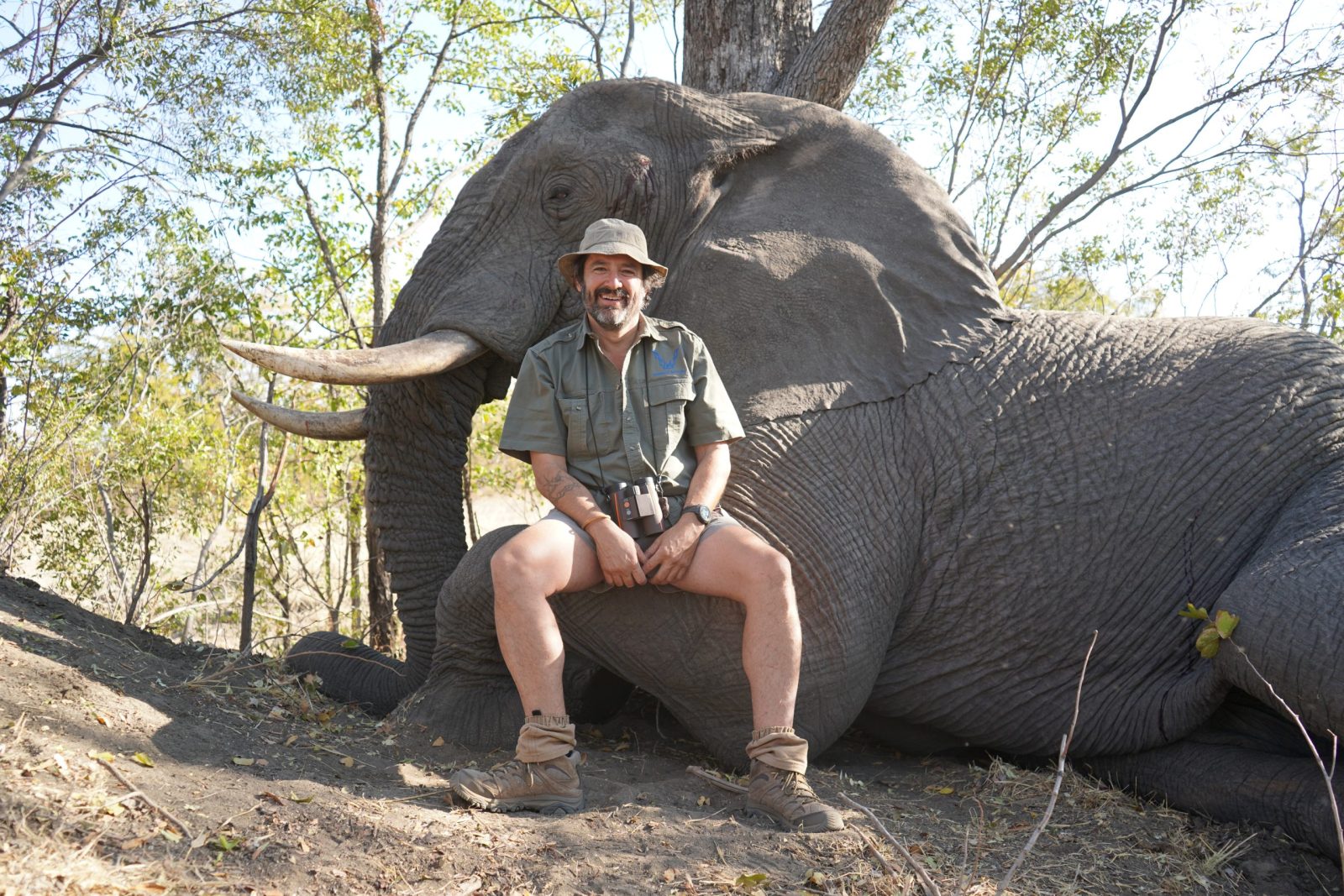
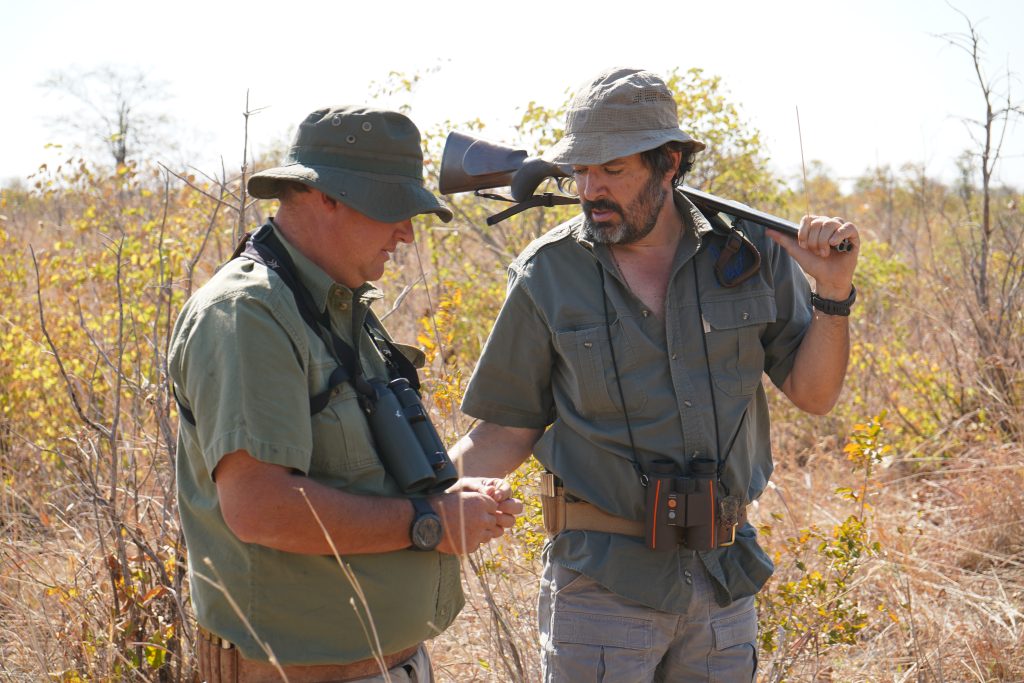
Zimbabwe is one of Southern Africa’s most established and traditional hunting destinations, renowned for its vast unfenced wilderness areas, exceptional dangerous game populations, and strict wildlife management under government quota systems ensuring sustainable use and authentic fair-chase safaris.
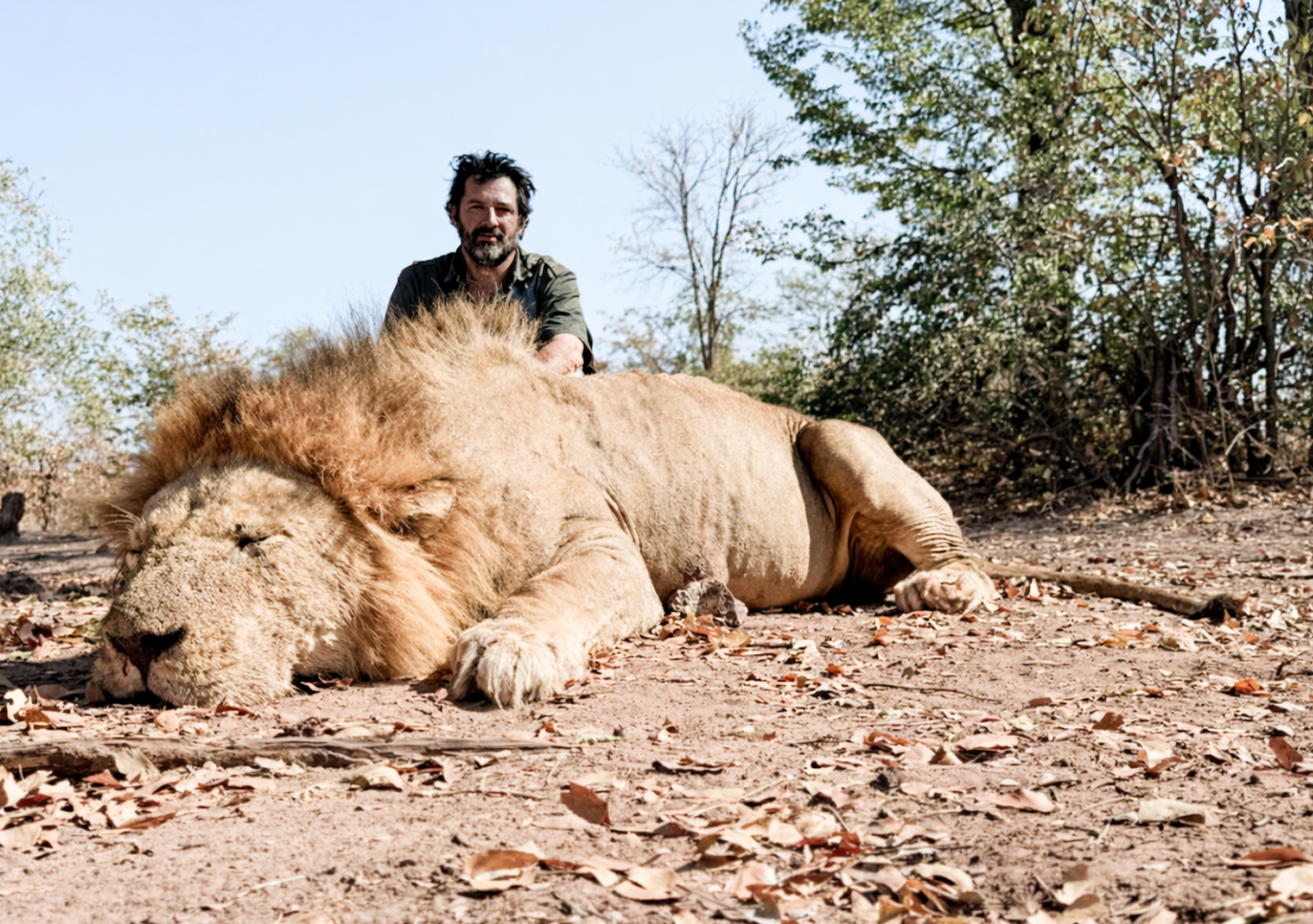
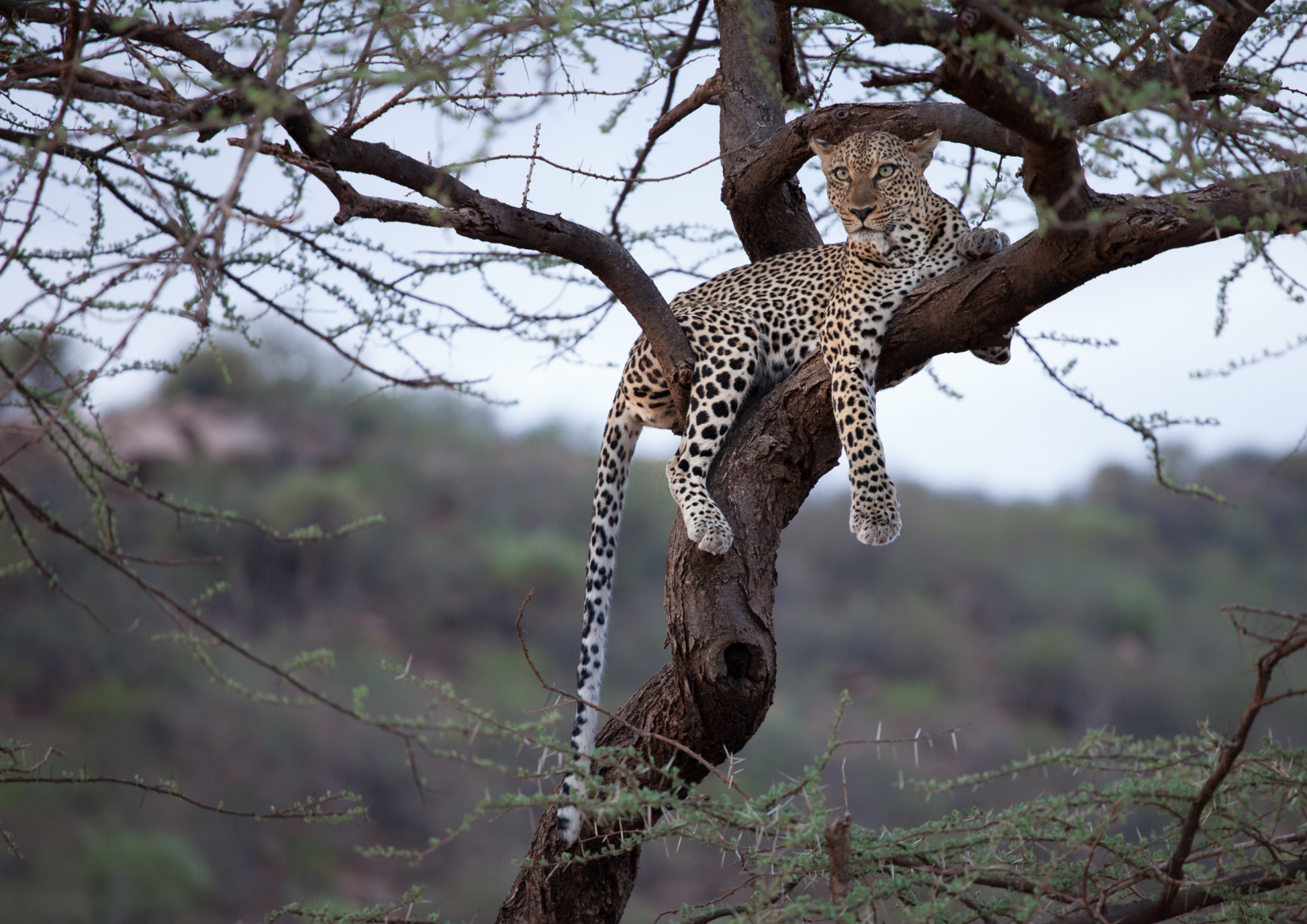
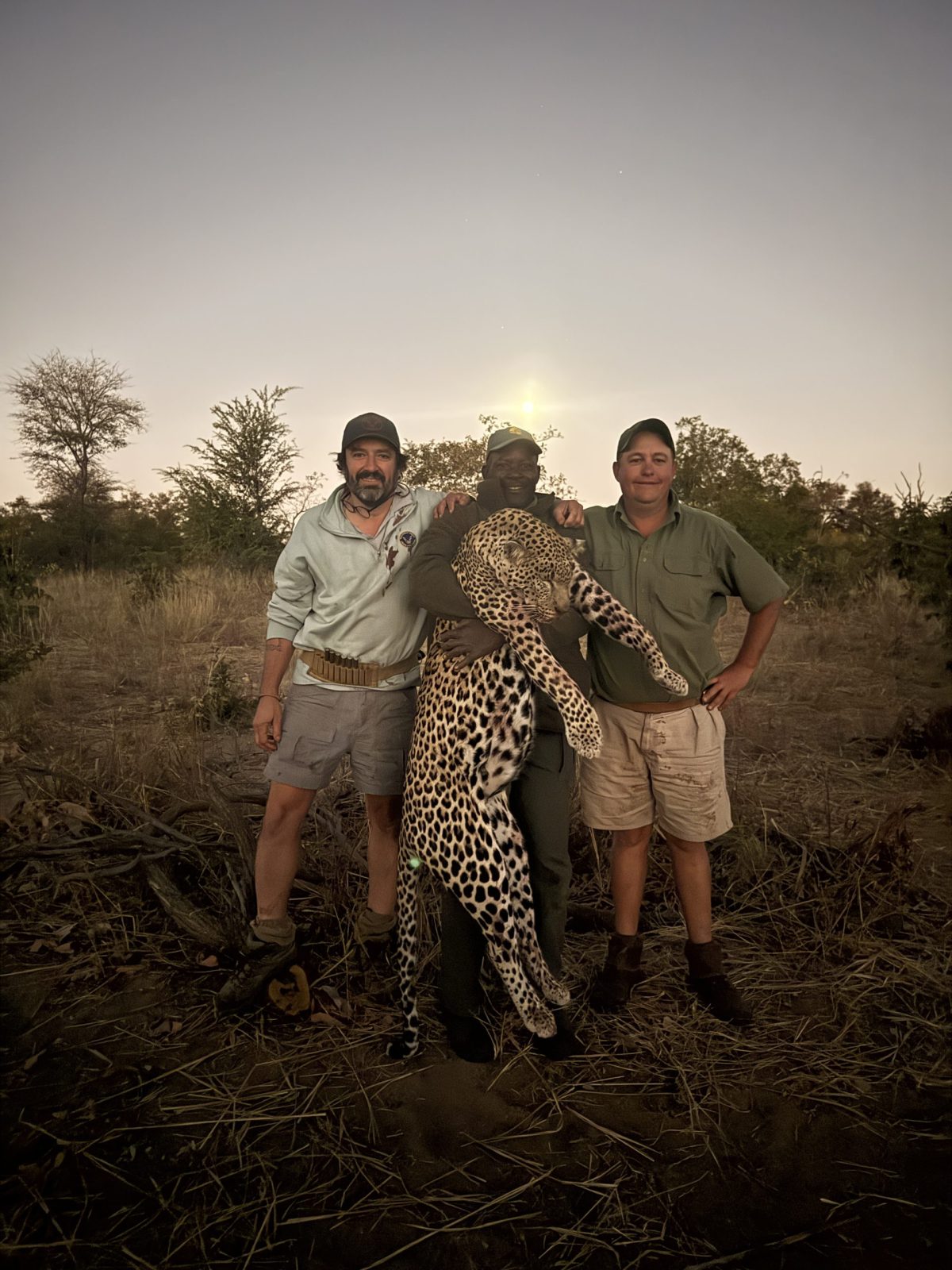
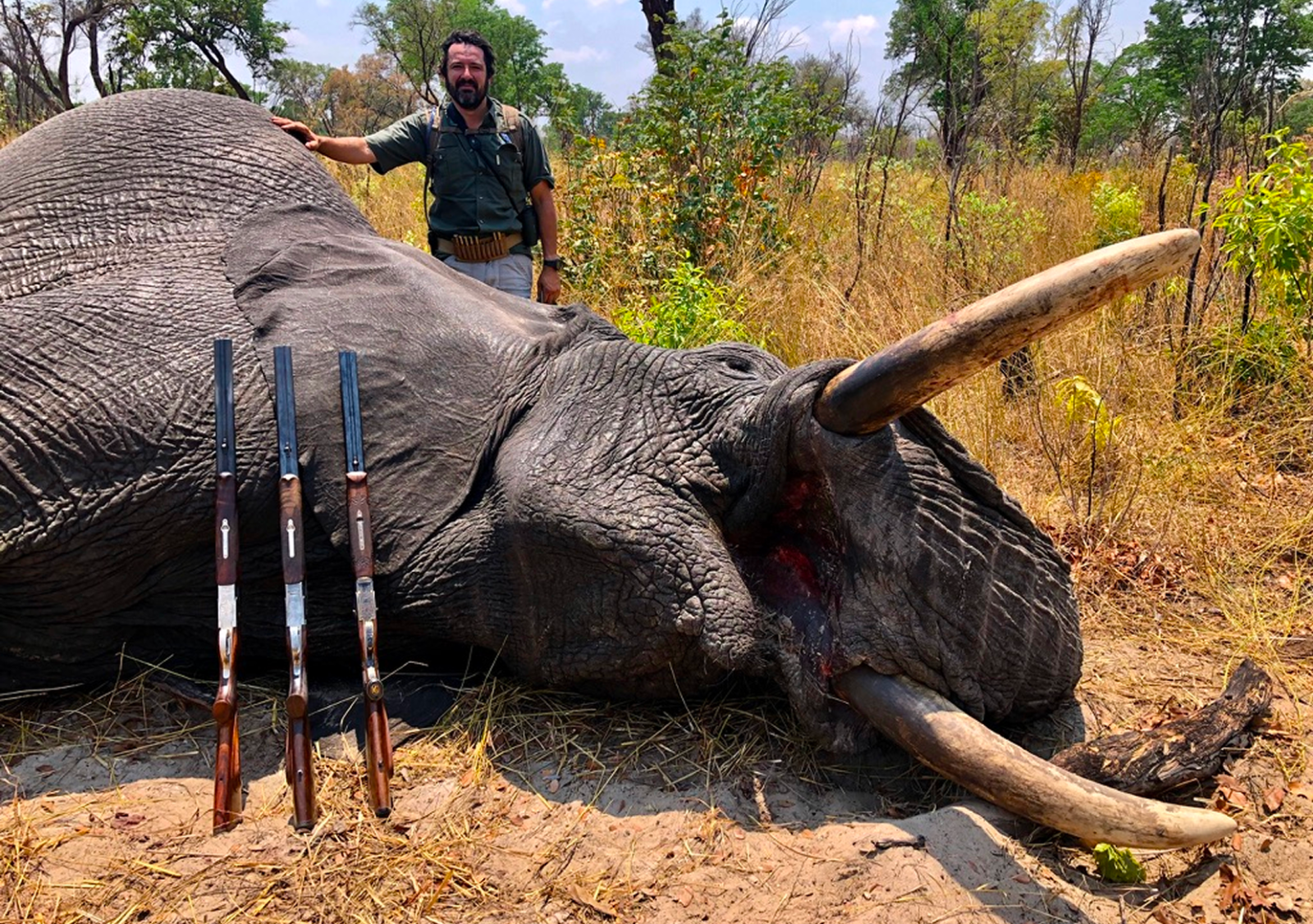
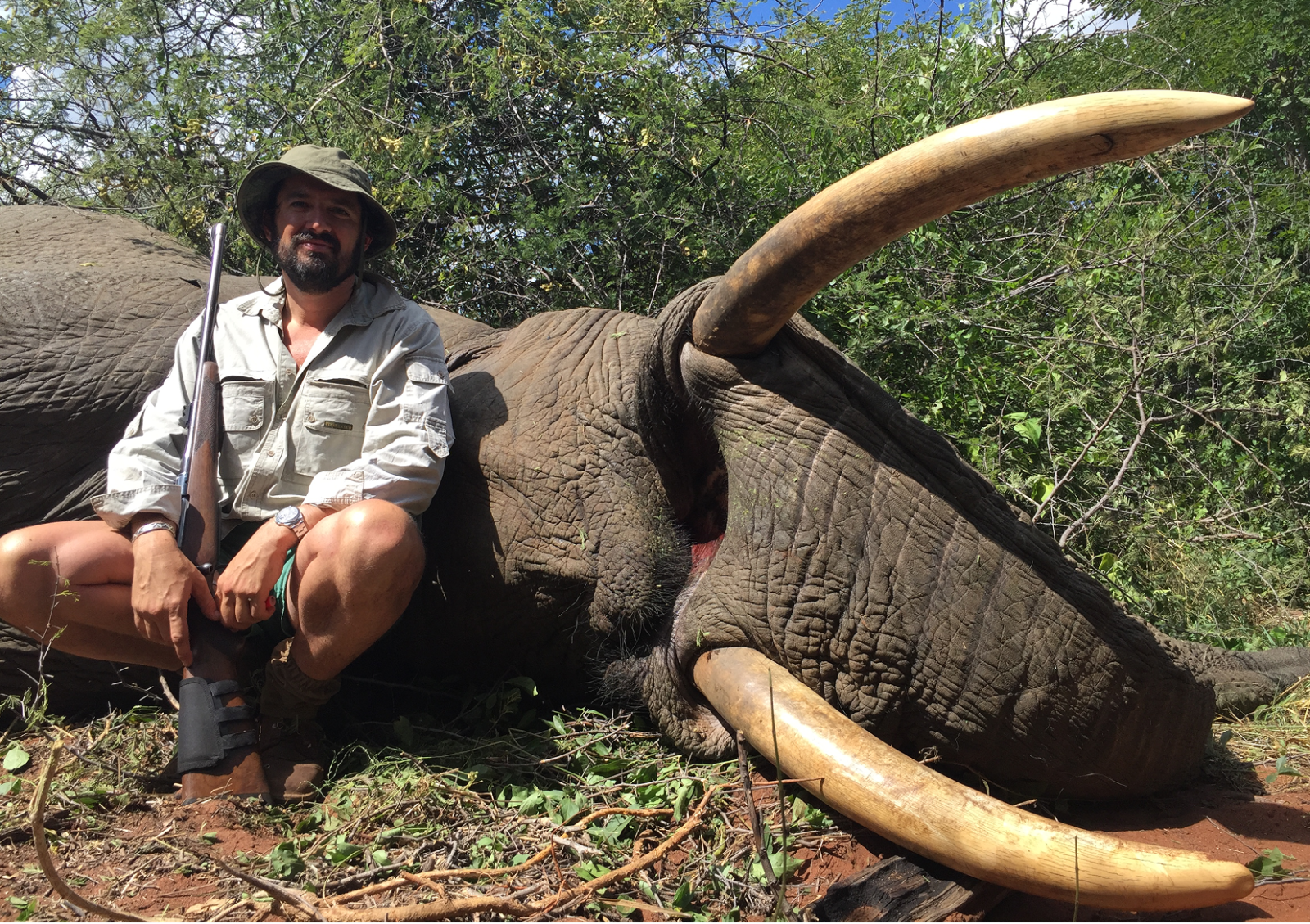
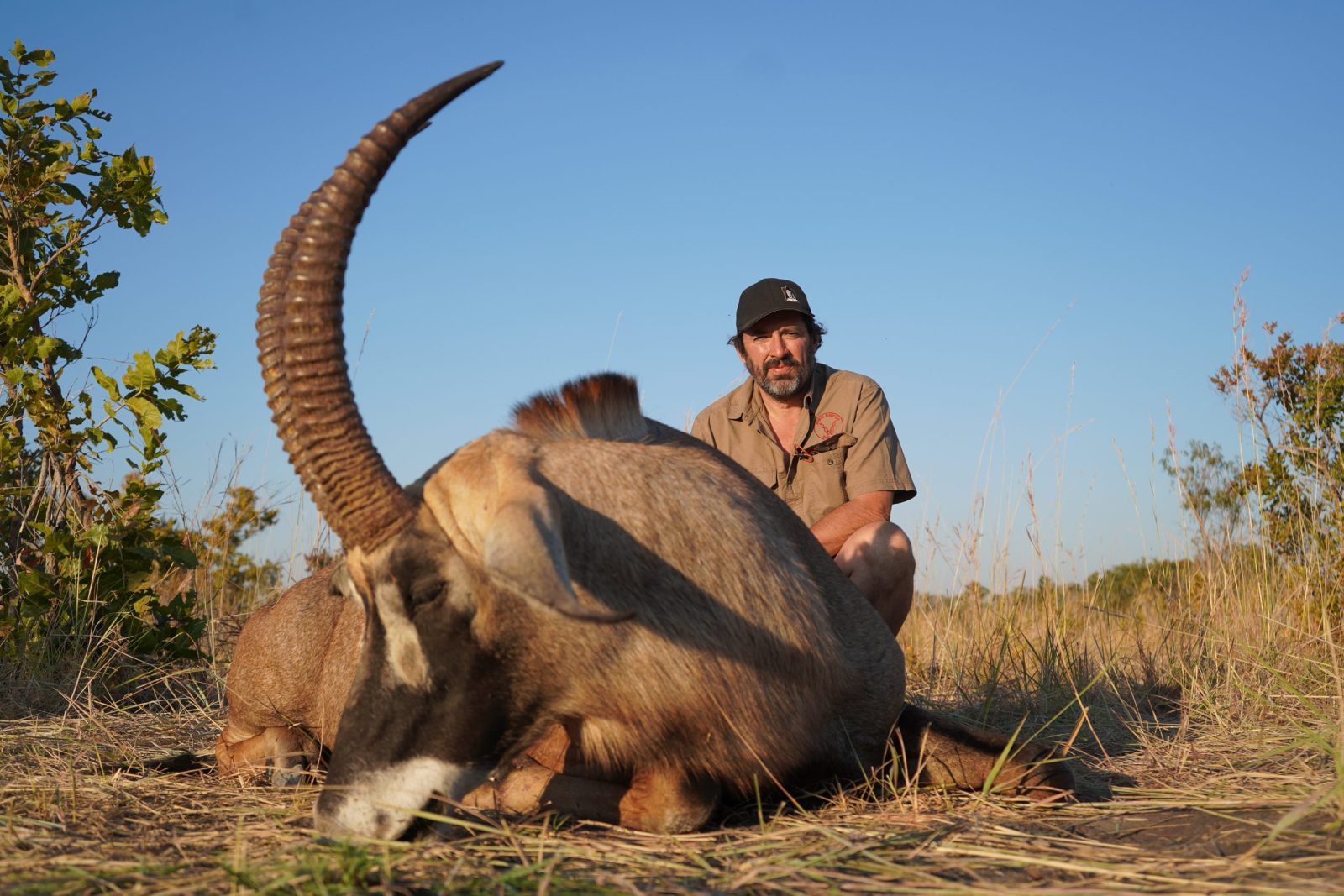
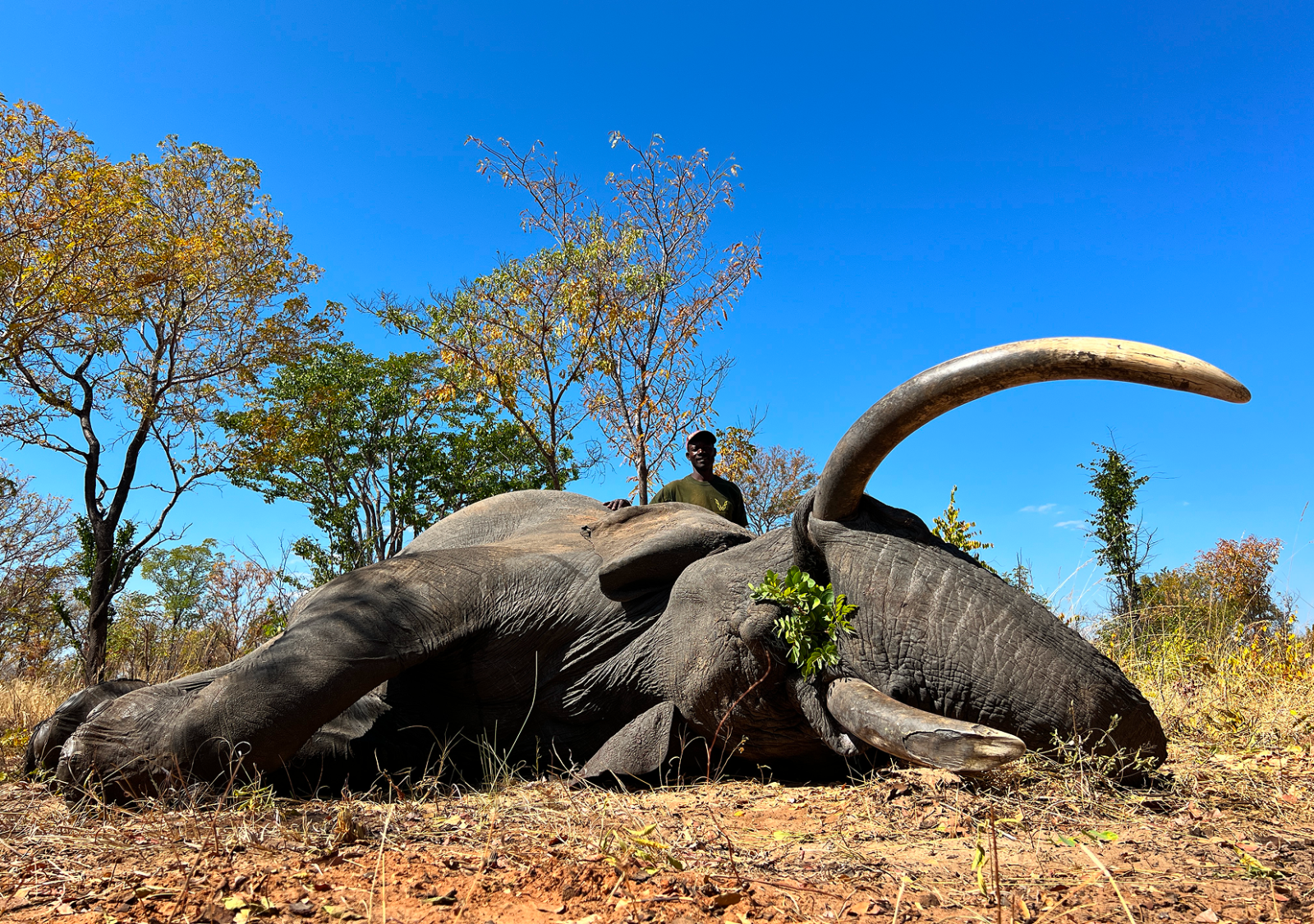
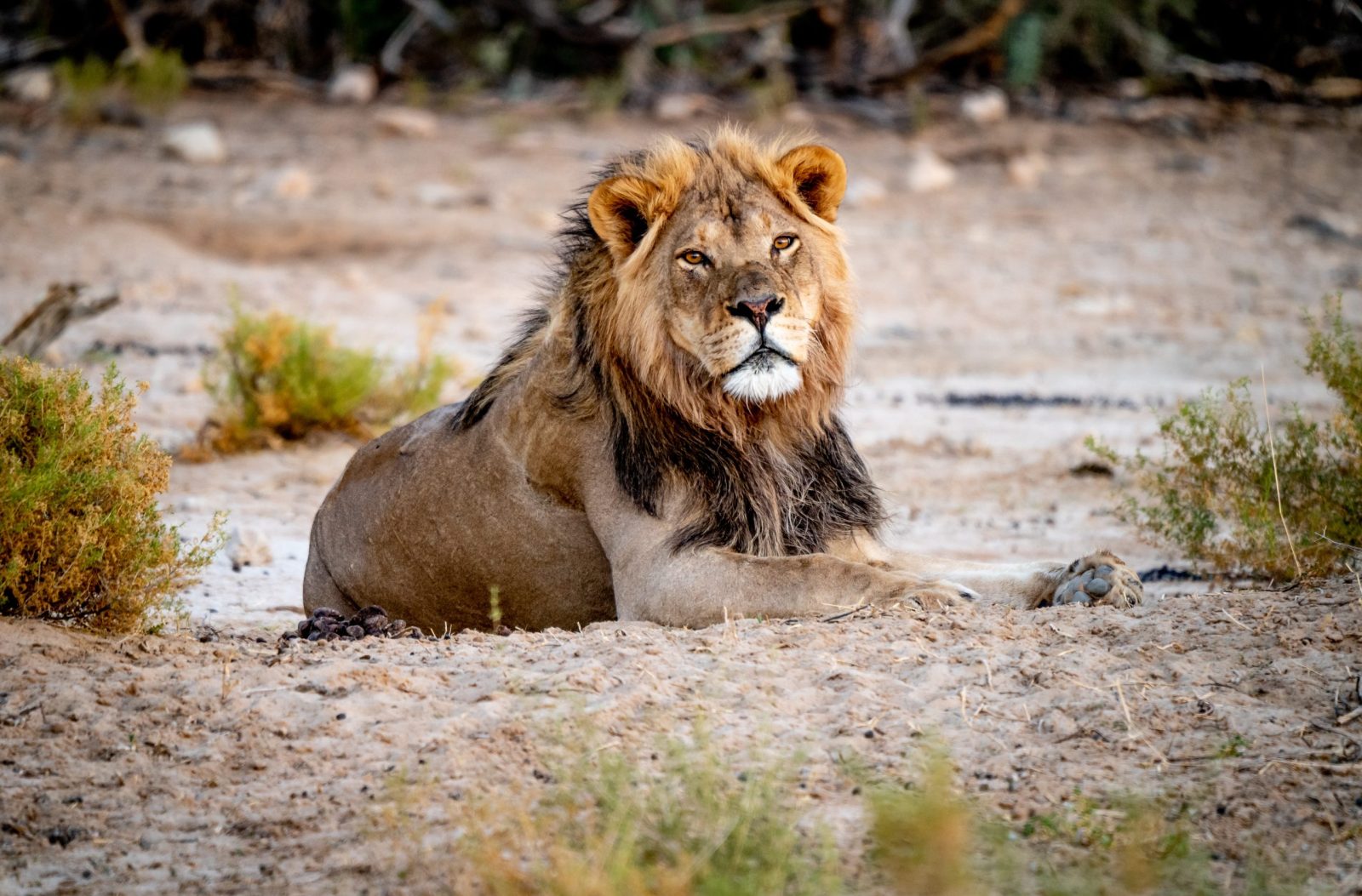
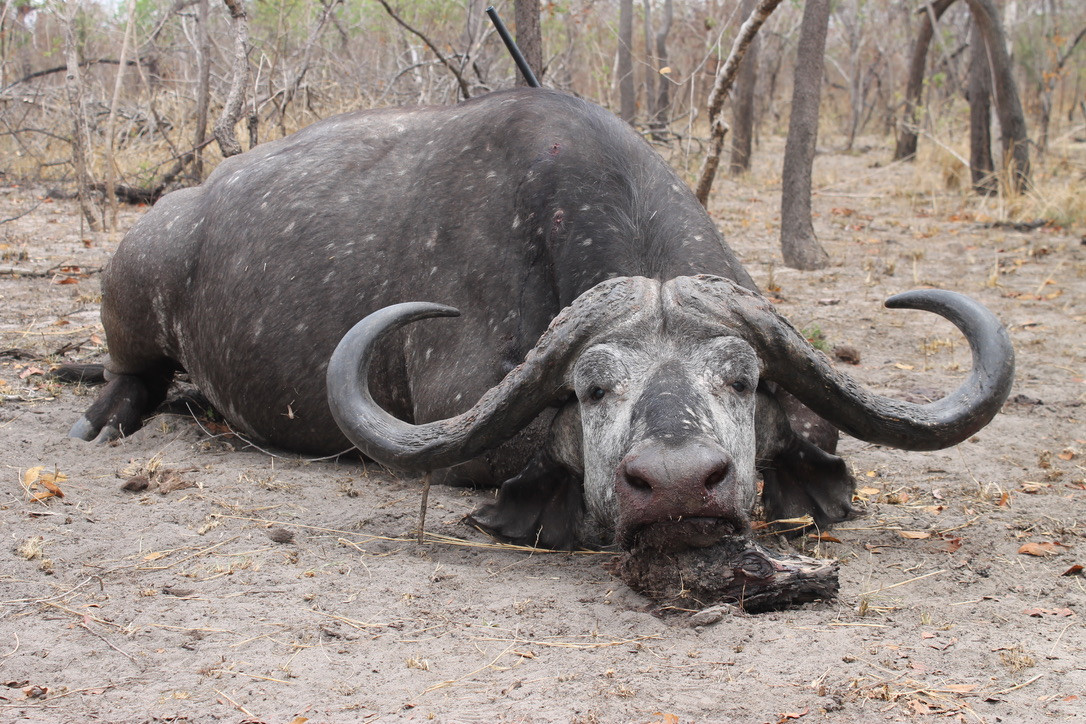
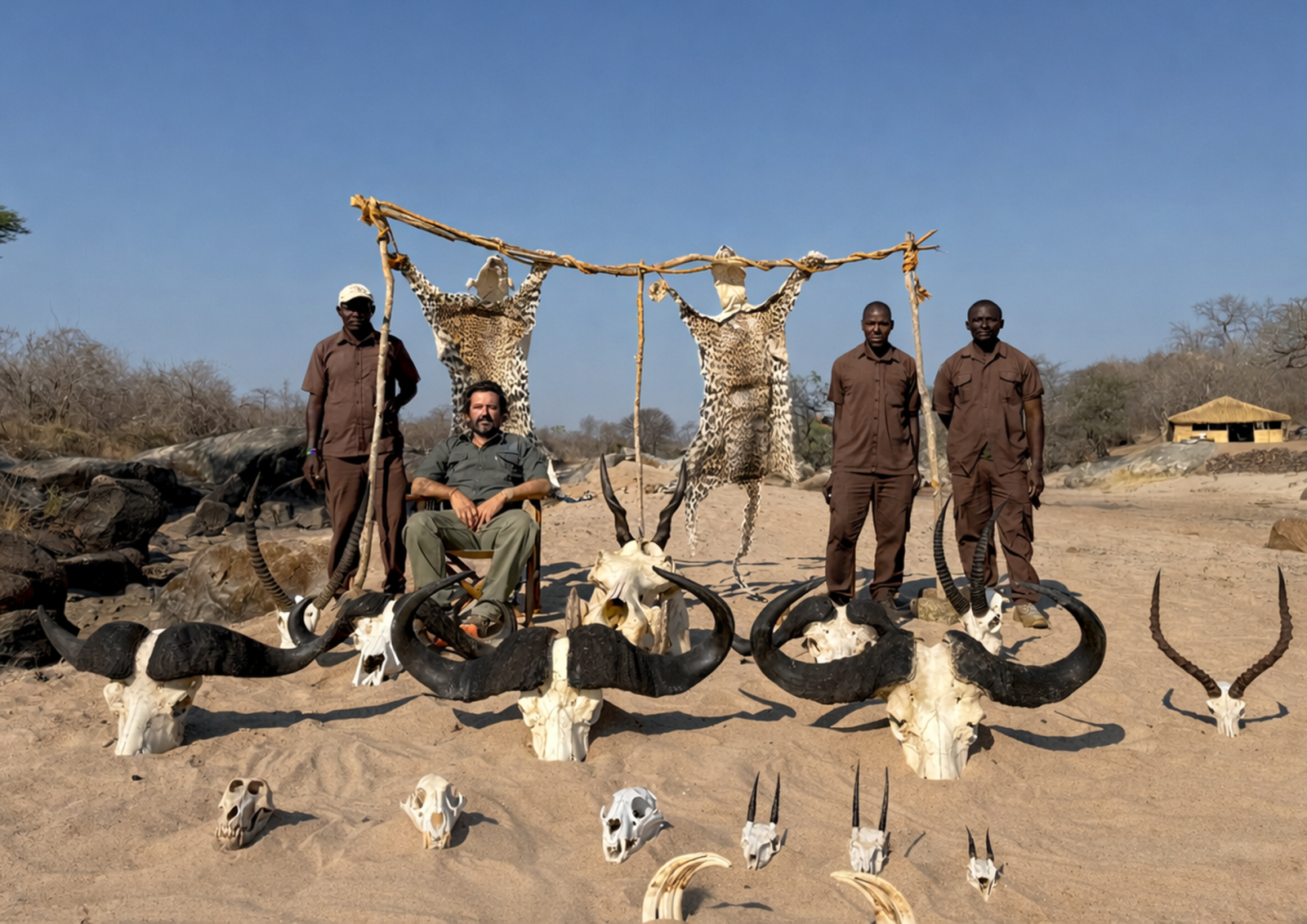
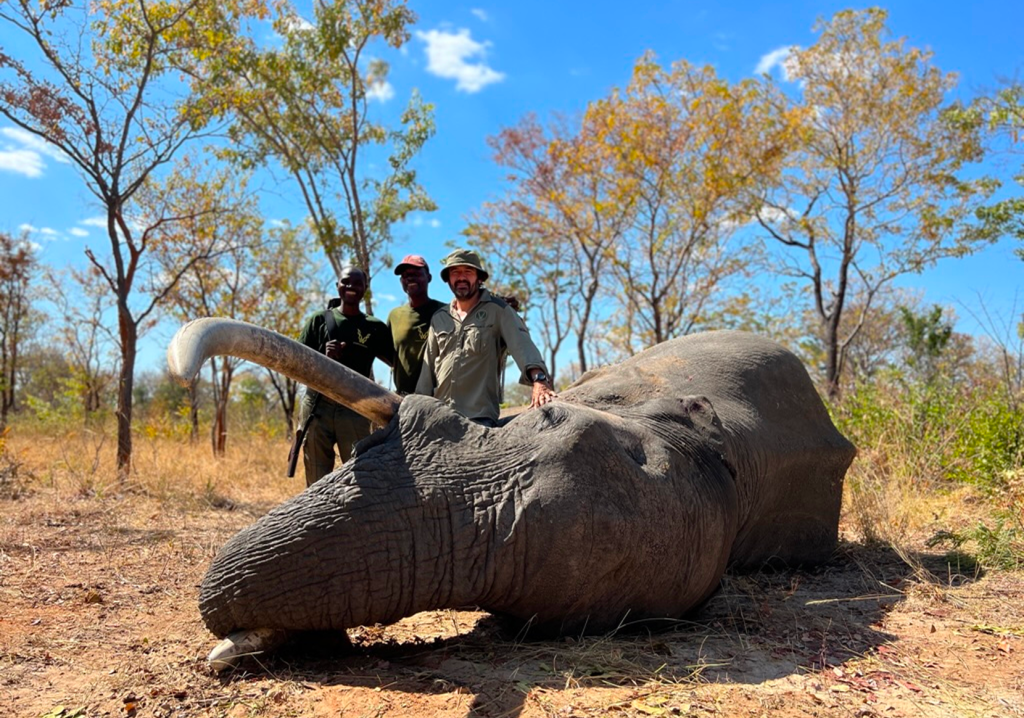
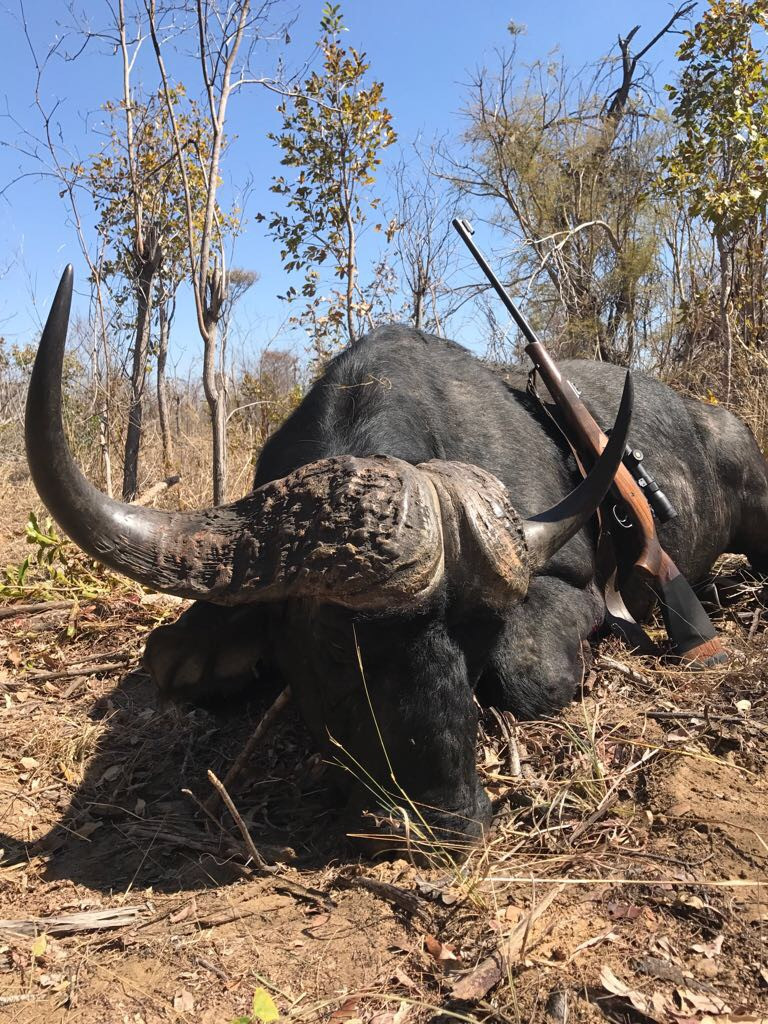
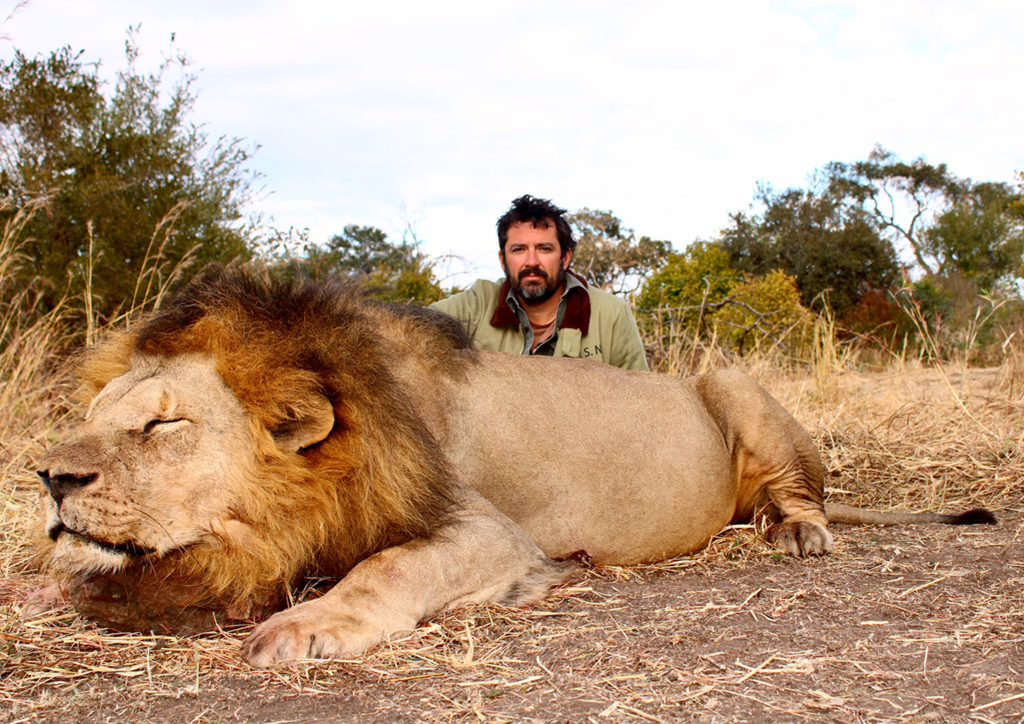
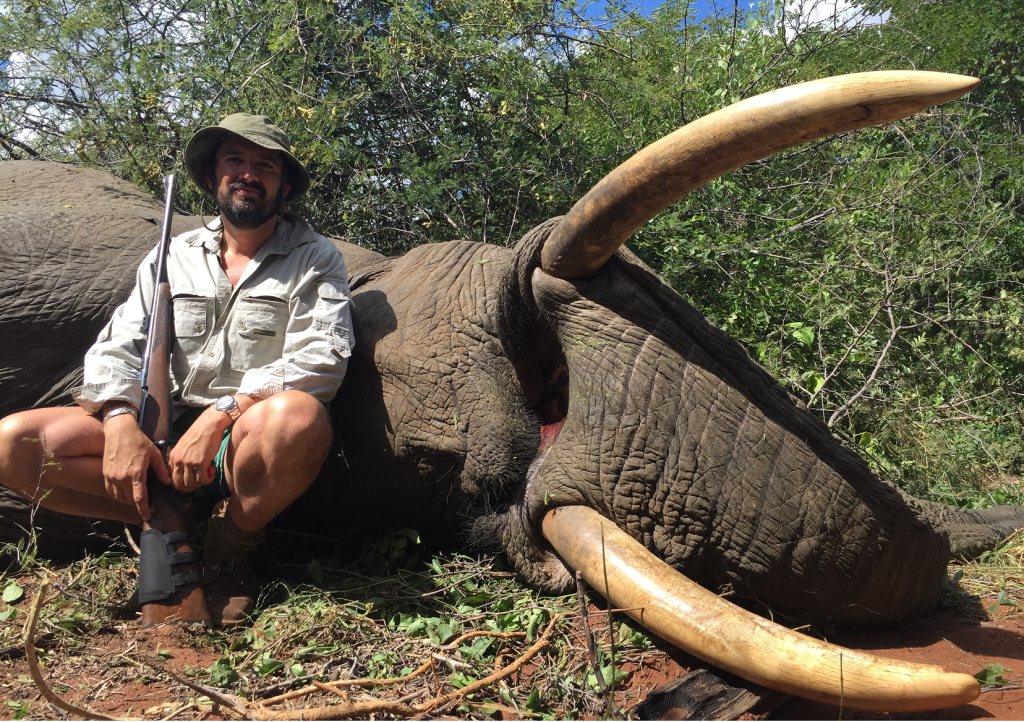
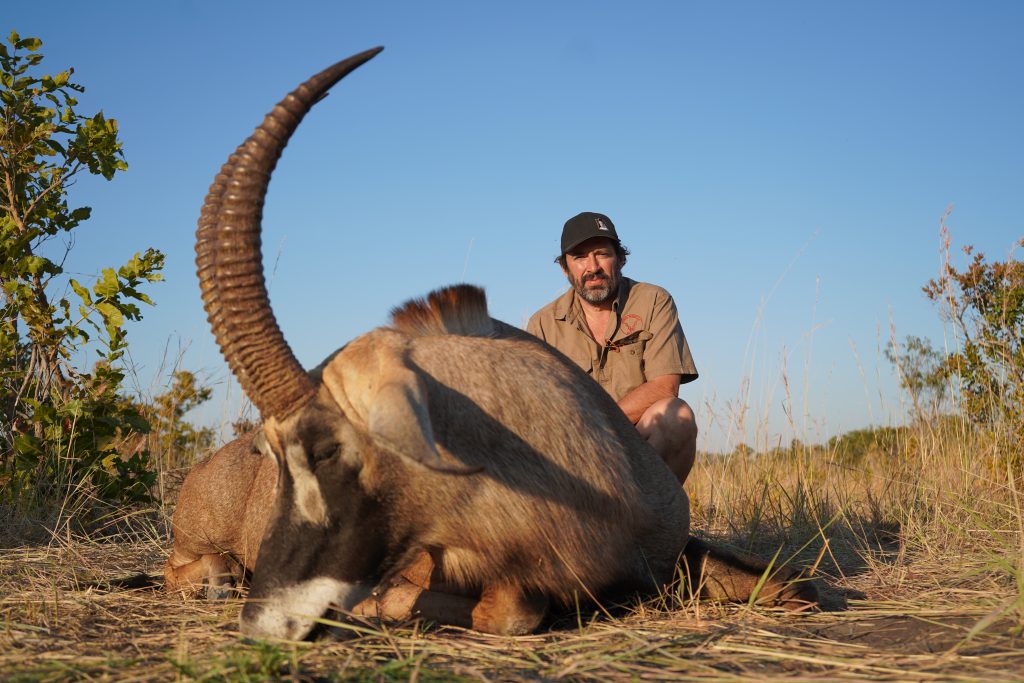
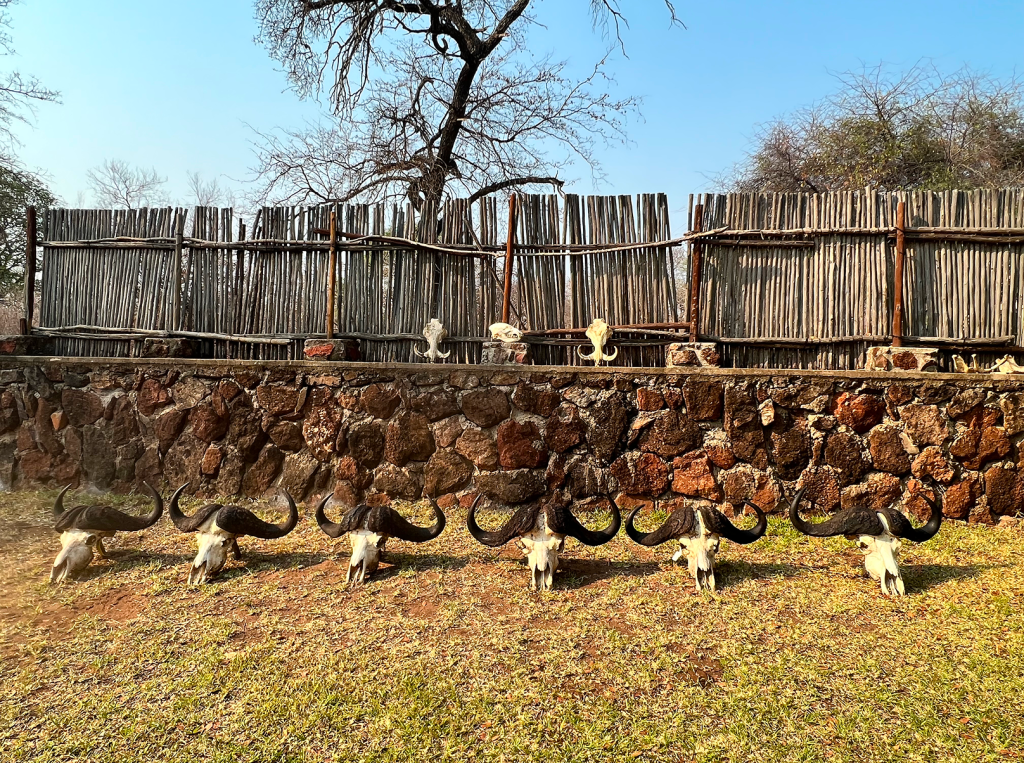
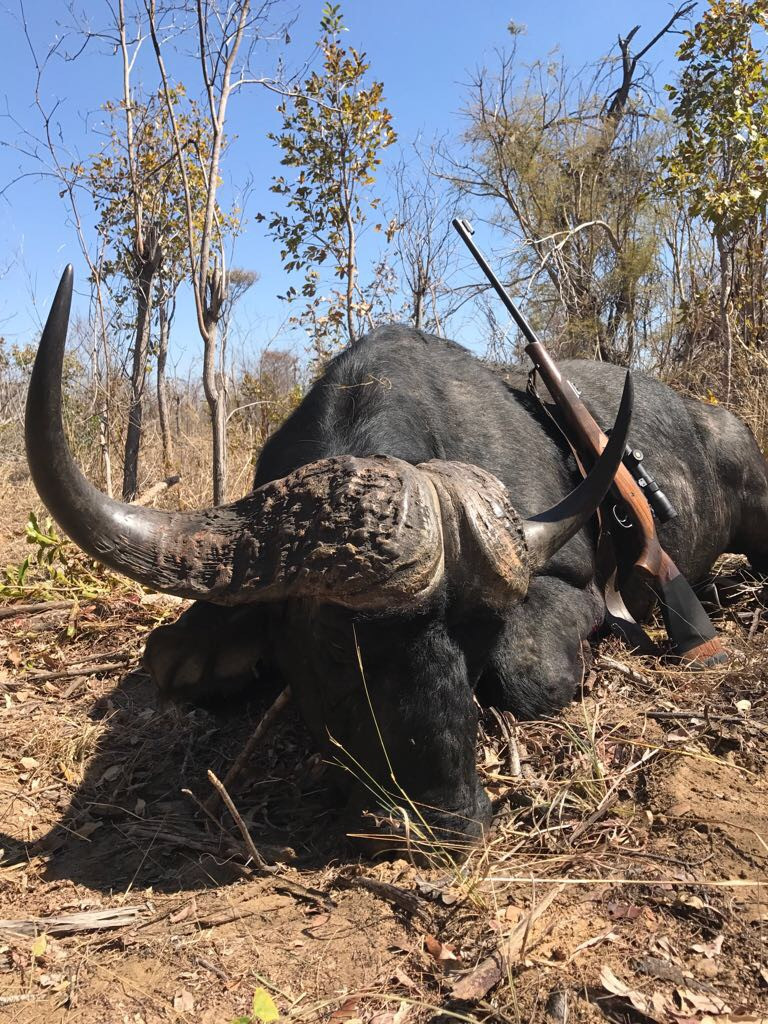
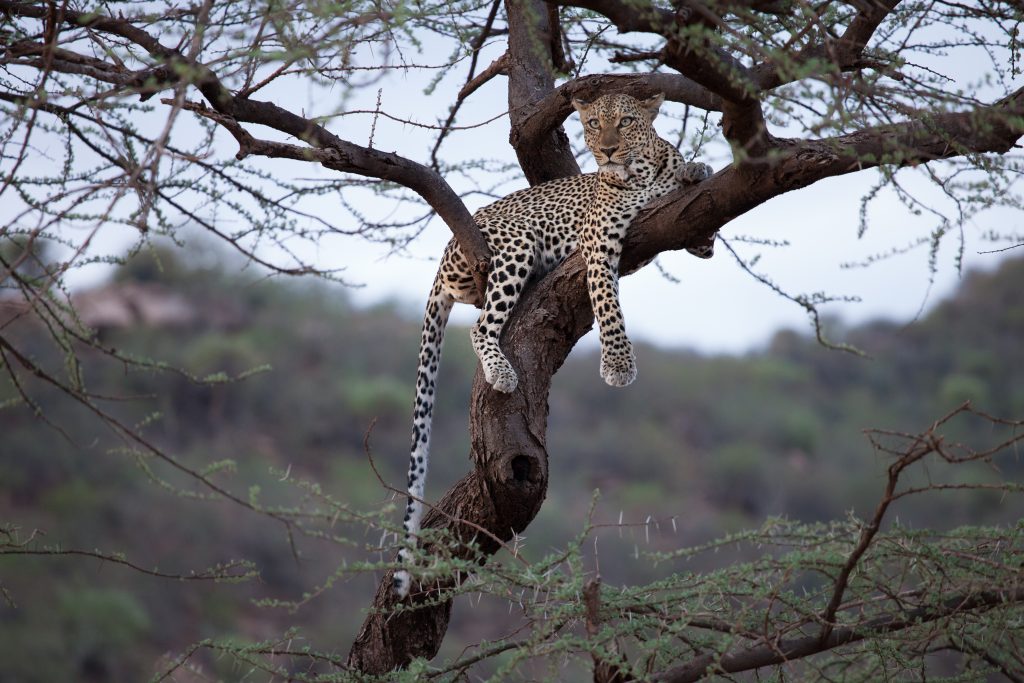
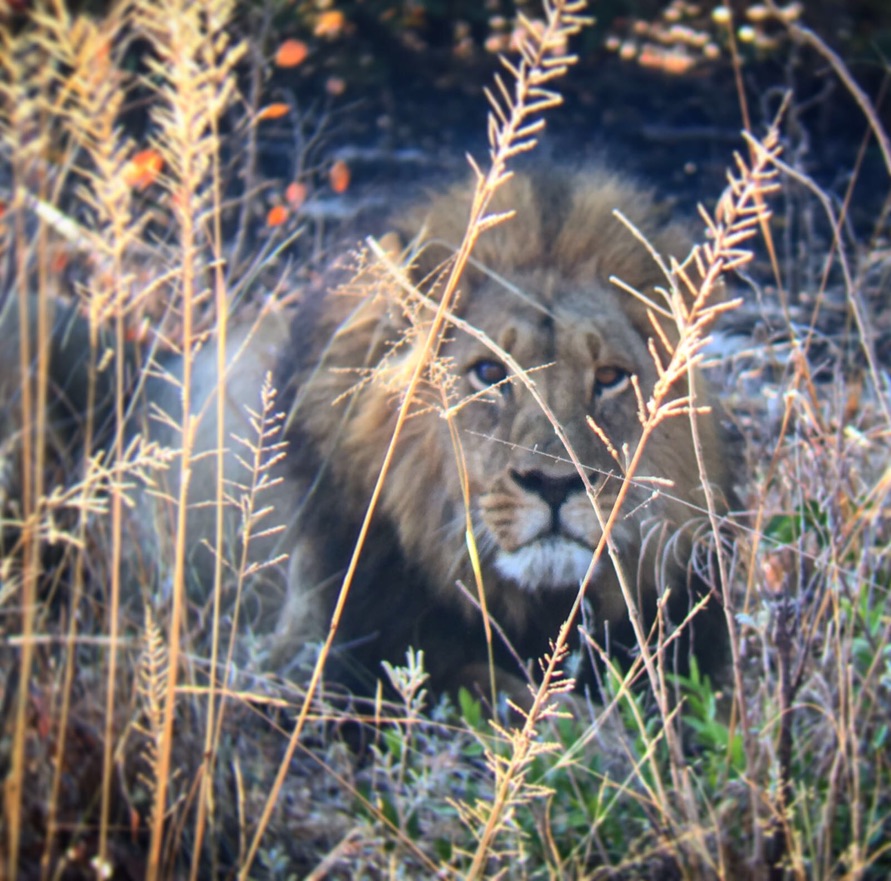
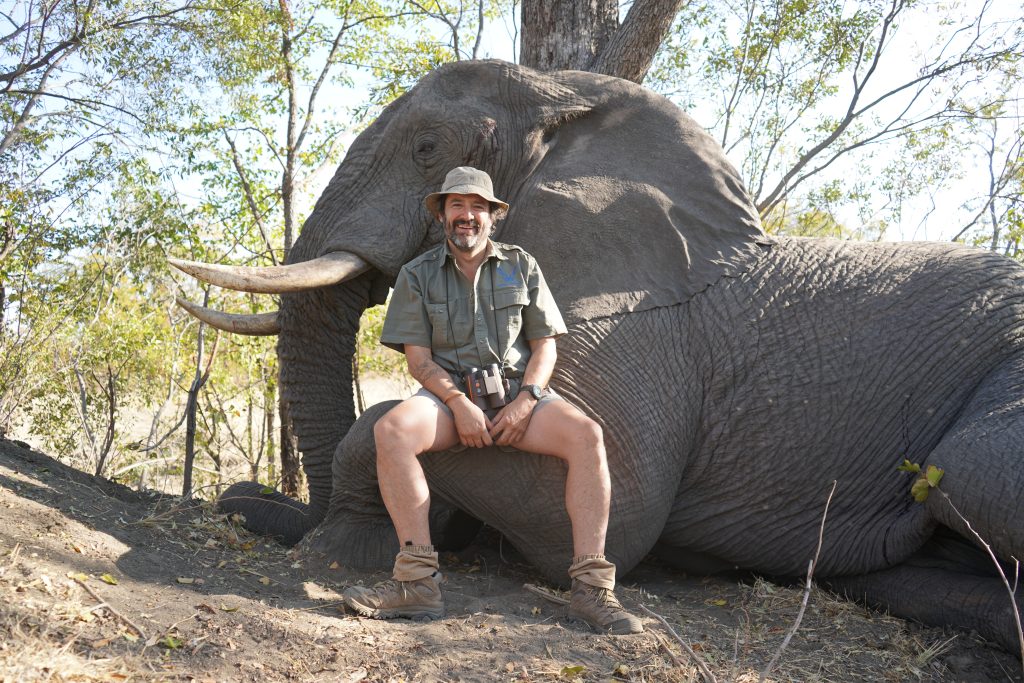
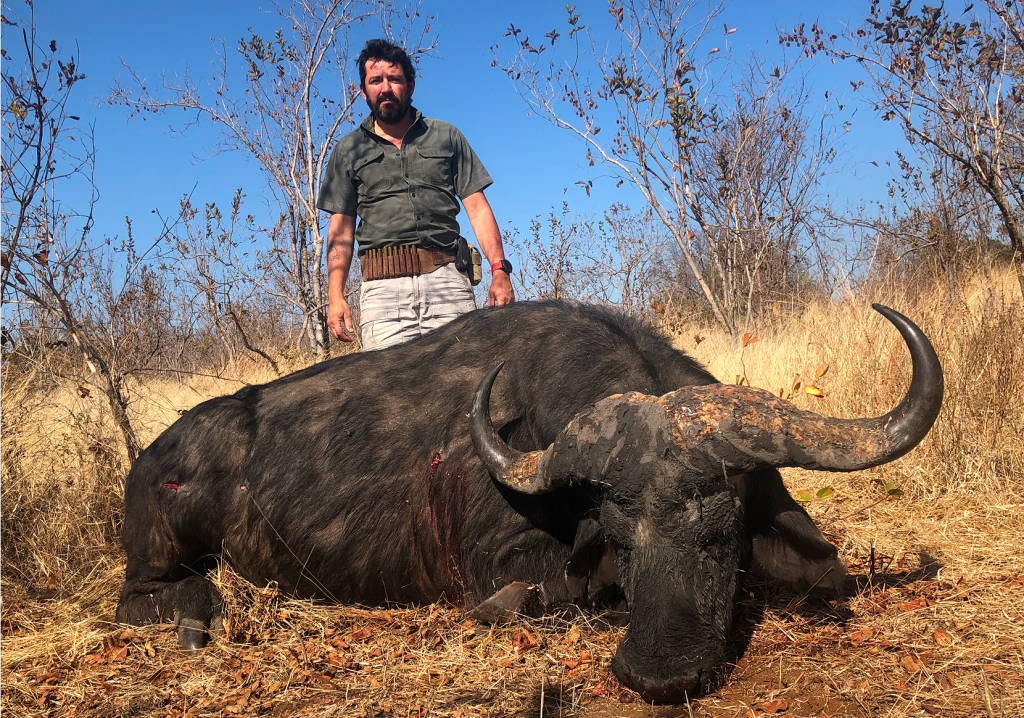
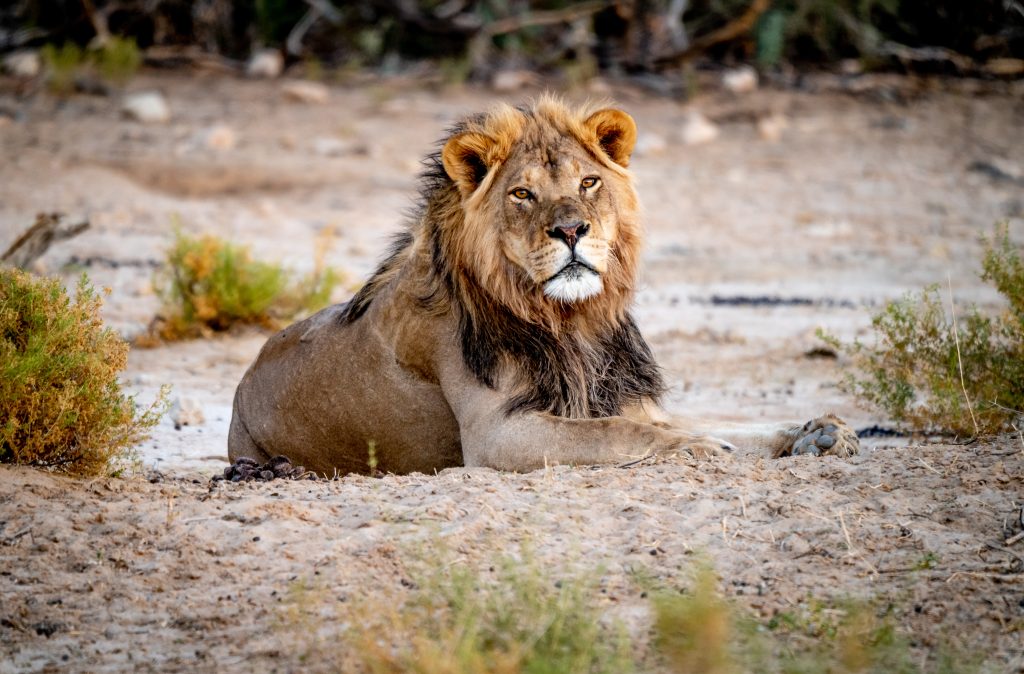
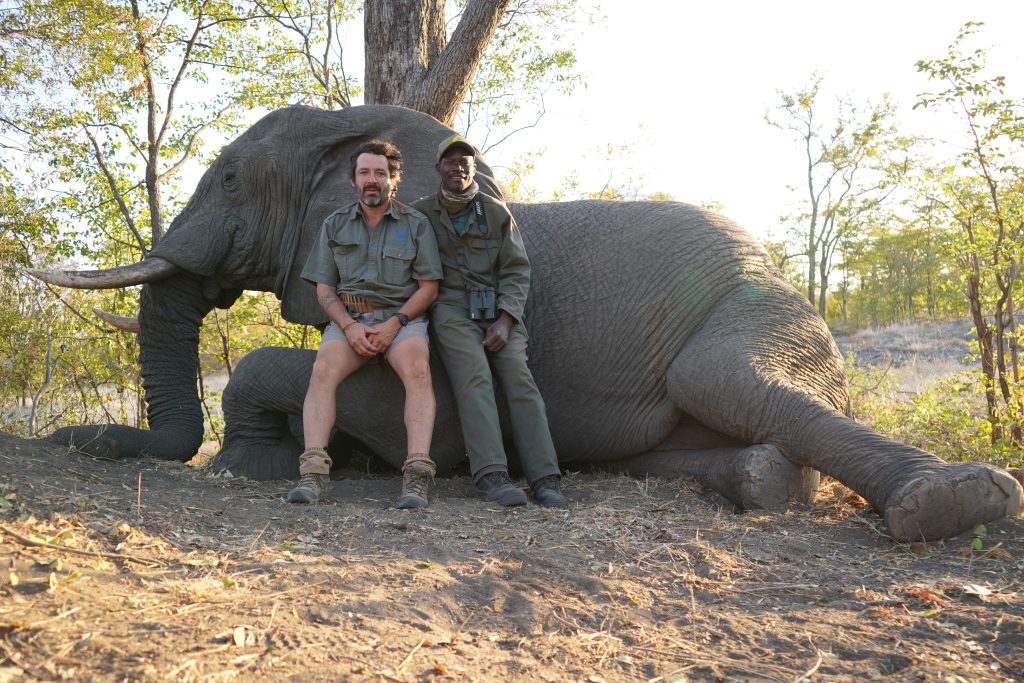
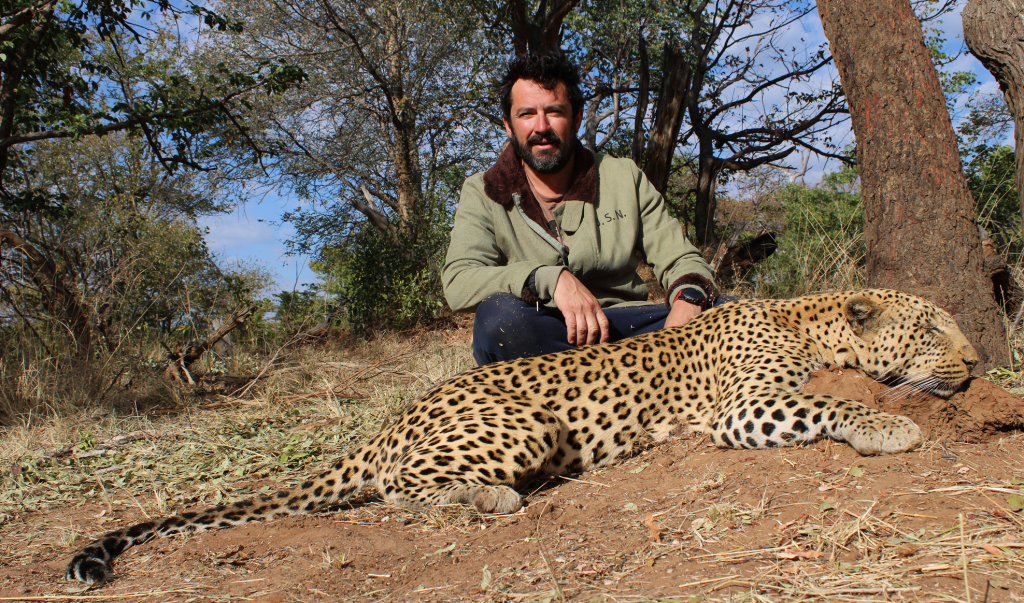
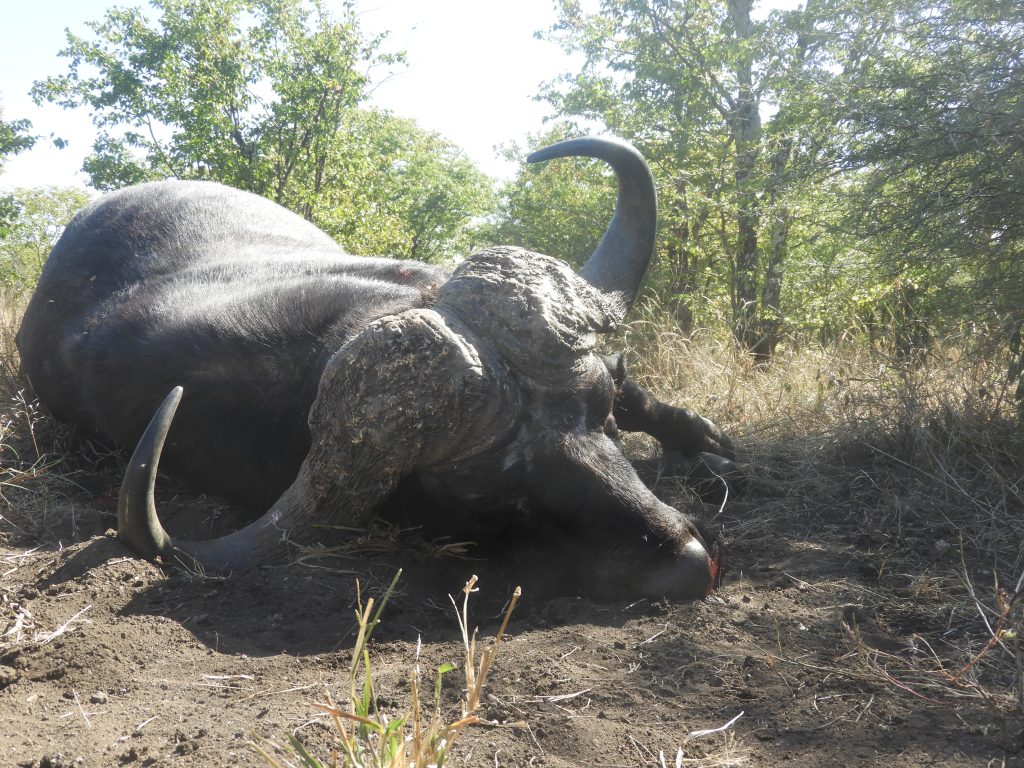
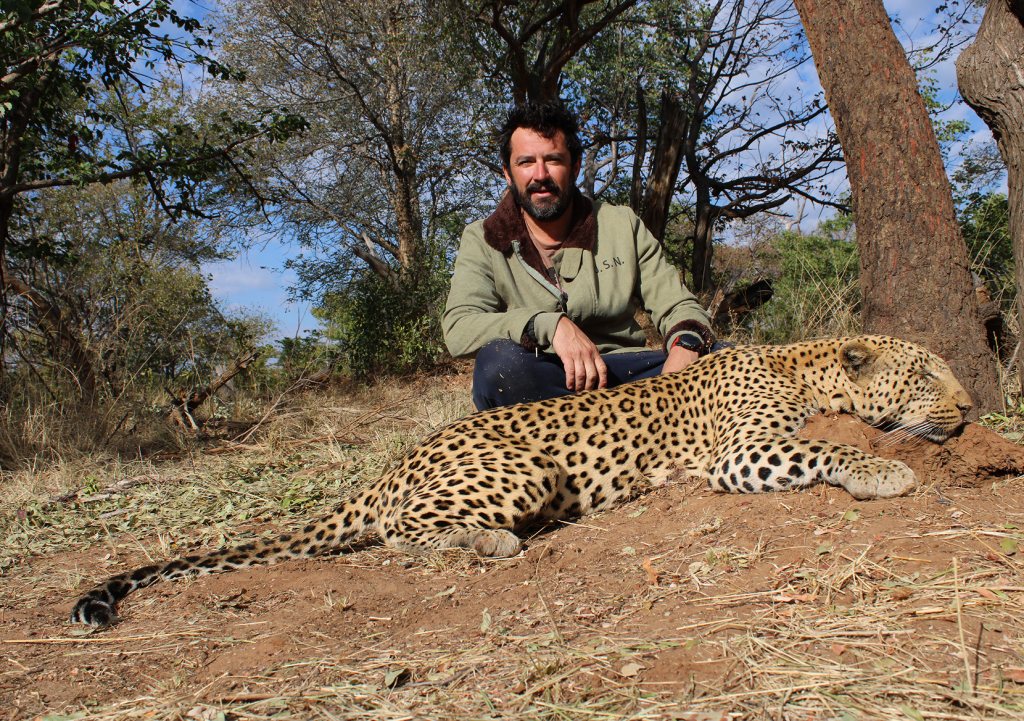
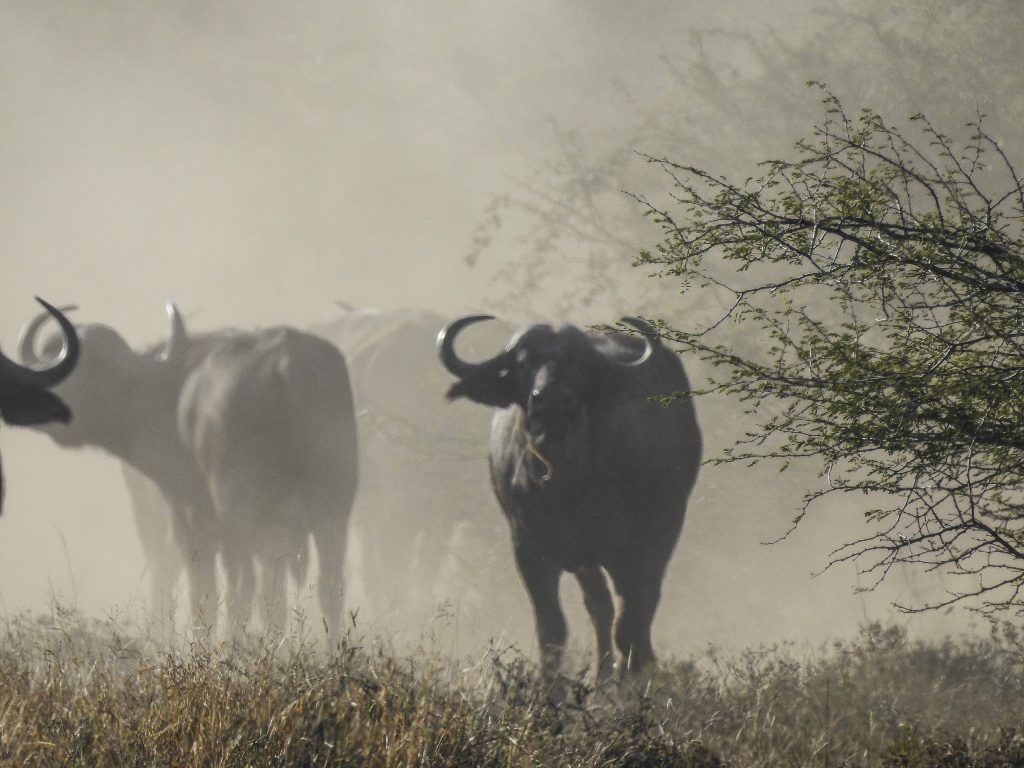
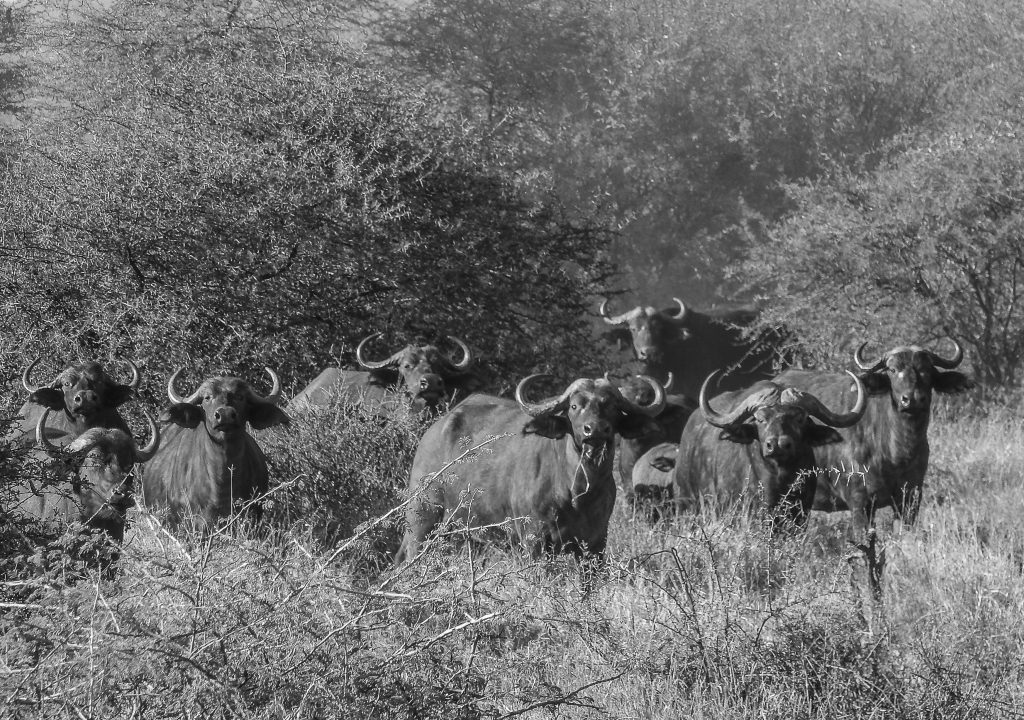
Located in the northwest near Victoria Falls and the Zambezi River. The area is internationally recognized for its Elephant, Buffalo, Leopard and black-maned Lion, and is one of only two regions in Zimbabwe where Roan antelope permits are issued, alongside excellent Sable, Kudu, Zebra and other plains game.
- Key Species: Elephant, Buffalo, Leopard and black-maned Lion.
- Season: There is no fixed closed season; however, due to summer rains between November and April, most safaris operate from May through October, with peak months being June and July during the cool dry season.
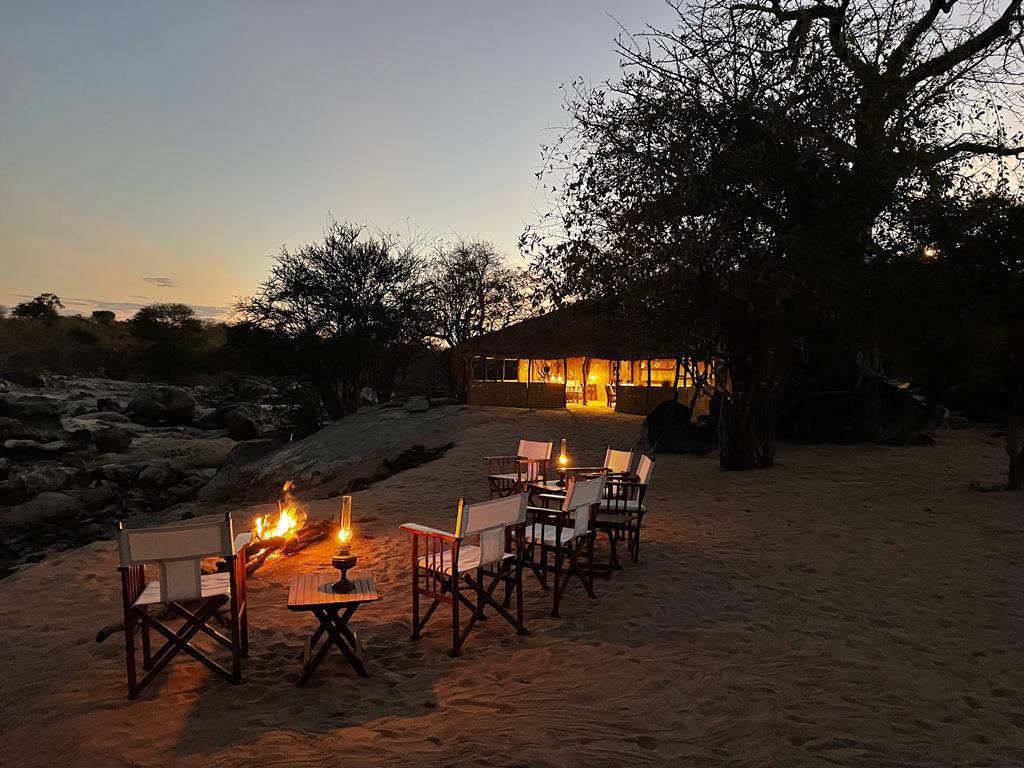
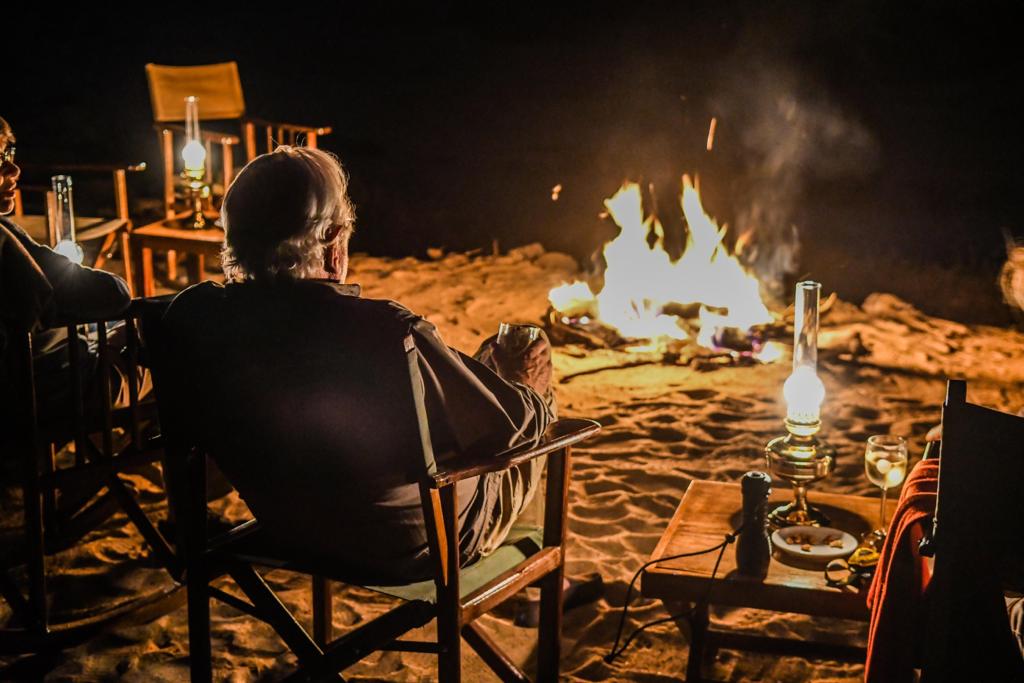
- Accommodation: Camp is beautifully positioned on a small hill overlooking a typical vlei and offers classic Zimbabwean safari comfort. Accommodation consists of traditional thatched rondavels with en-suite bathrooms, a separate bar and dining area, and a firepit with panoramic sunset views. The camp is connected to the main power grid with generator backup.
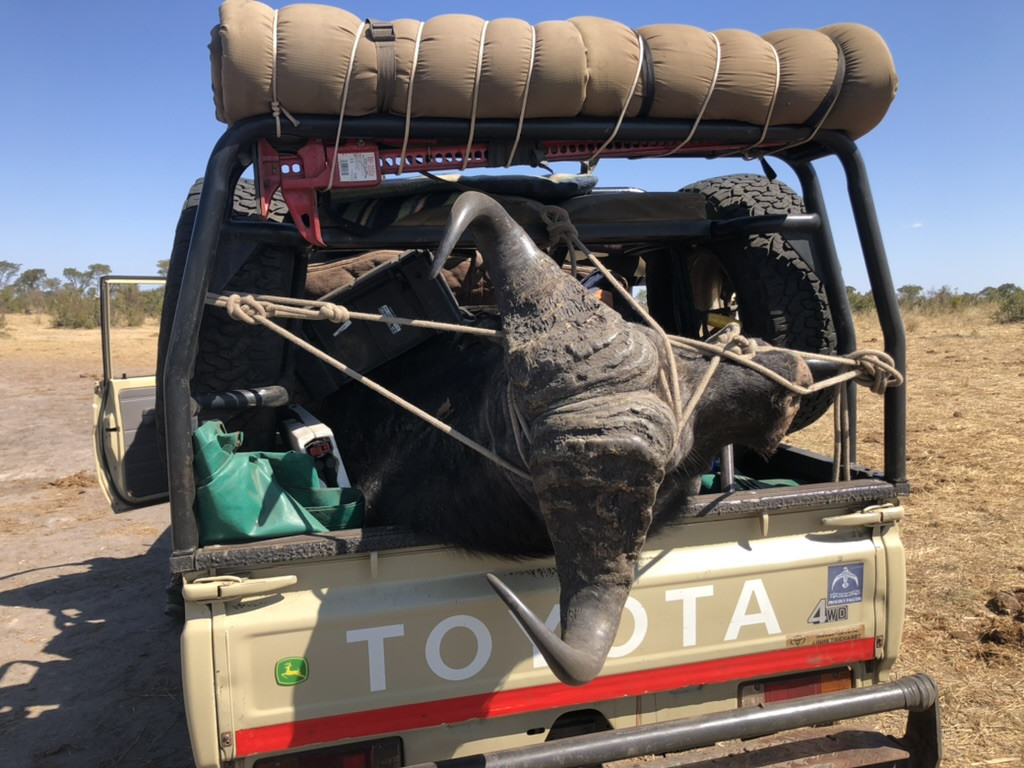
- Access: Access is via international flight to Victoria Falls Airport, followed by a 2-hour road transfer or approximately 20-minute helicopter flight to camp. Charter flights and private jet transfers from Johannesburg can be arranged. Soft luggage is recommended for charter operations.
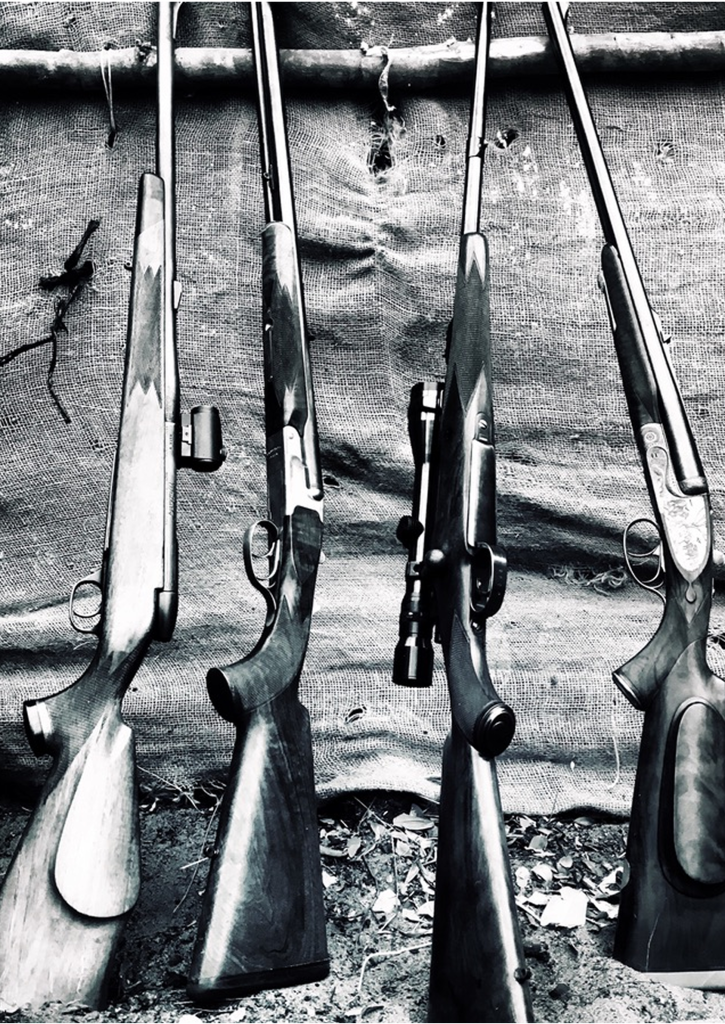
- Caliber: Zimbabwe legislation specifies minimum calibers by species: 9.2 mm or larger for Elephant, Buffalo and Hippo; 7 mm or larger for Lion, Leopard and large plains game; and 5.6 mm or larger for general plains game. Automatic and semi-automatic rifles are prohibited (except semi-automatic shotguns for bird hunting).
- Health: Most hunting areas in Zimbabwe are located in malaria zones; therefore, prophylaxis is strongly recommended. Hunters should consult their physician well in advance regarding required vaccinations and preventive medication. Comprehensive medical and travel insurance coverage is essential.
- Temperature: The dry season runs from May to October and represents the prime hunting period. June and July are cooler months with cold mornings and evenings, while temperatures increase significantly from September onward, particularly in low-lying Zambezi Valley areas.
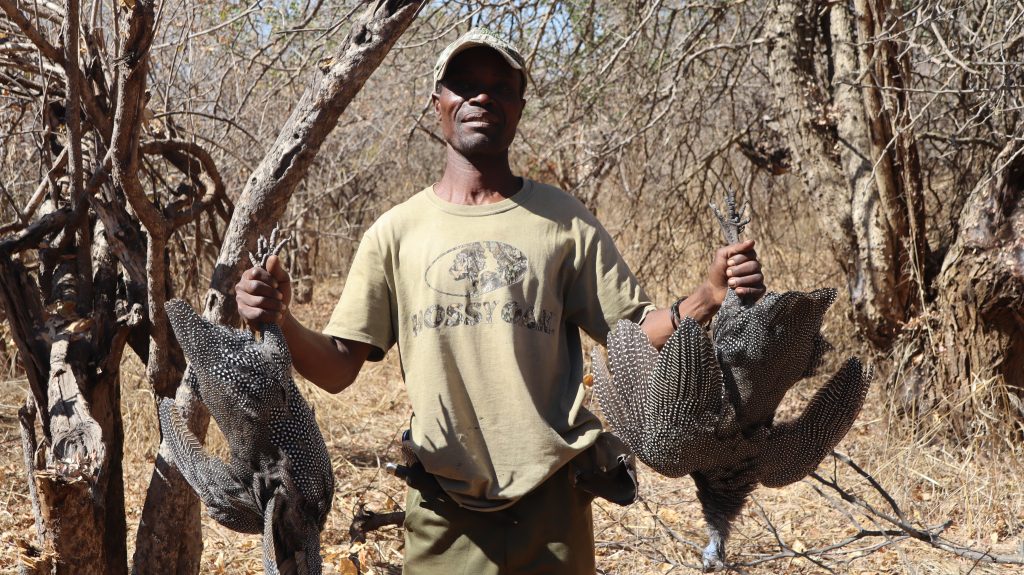
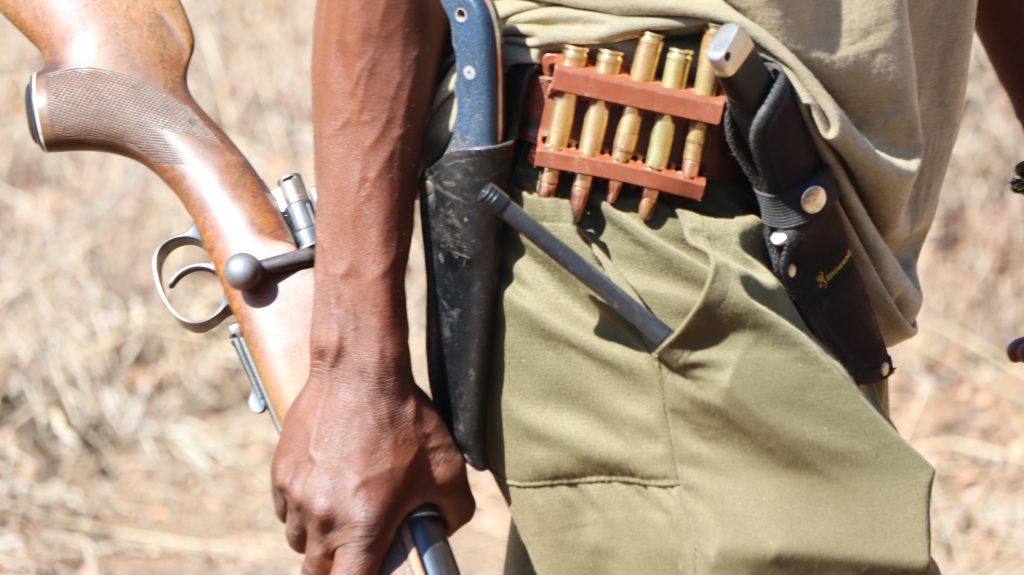
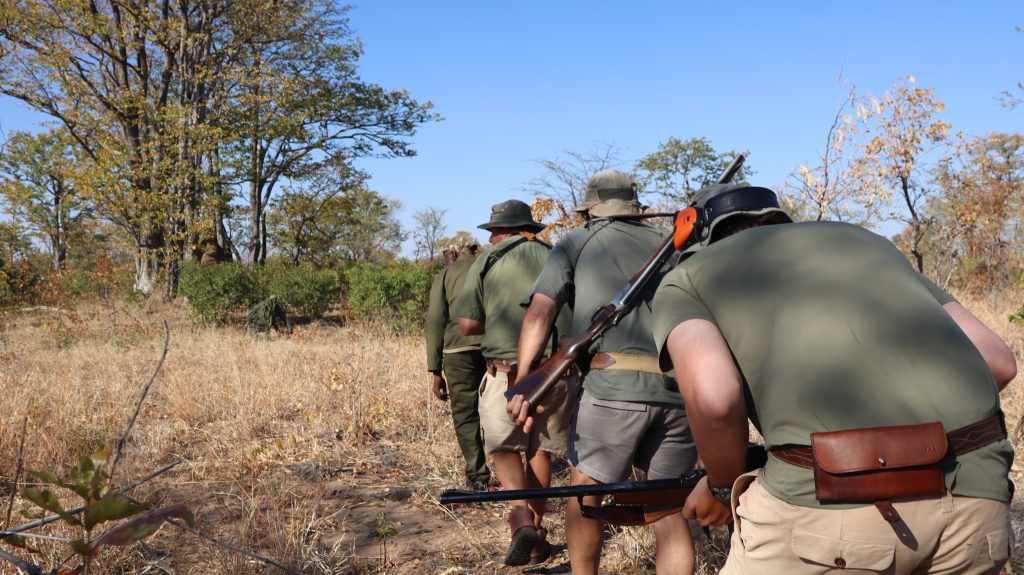
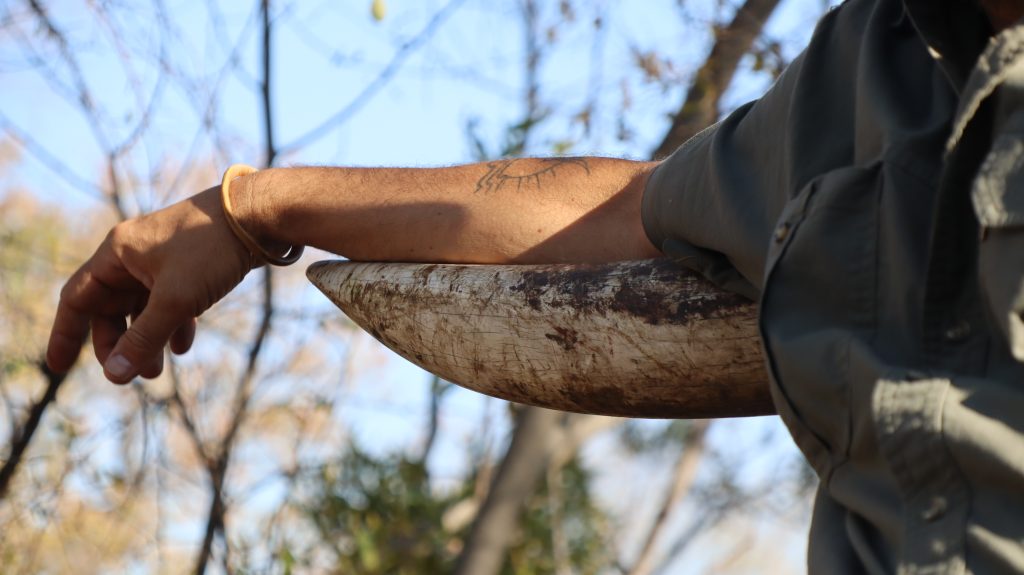
TANZANIA

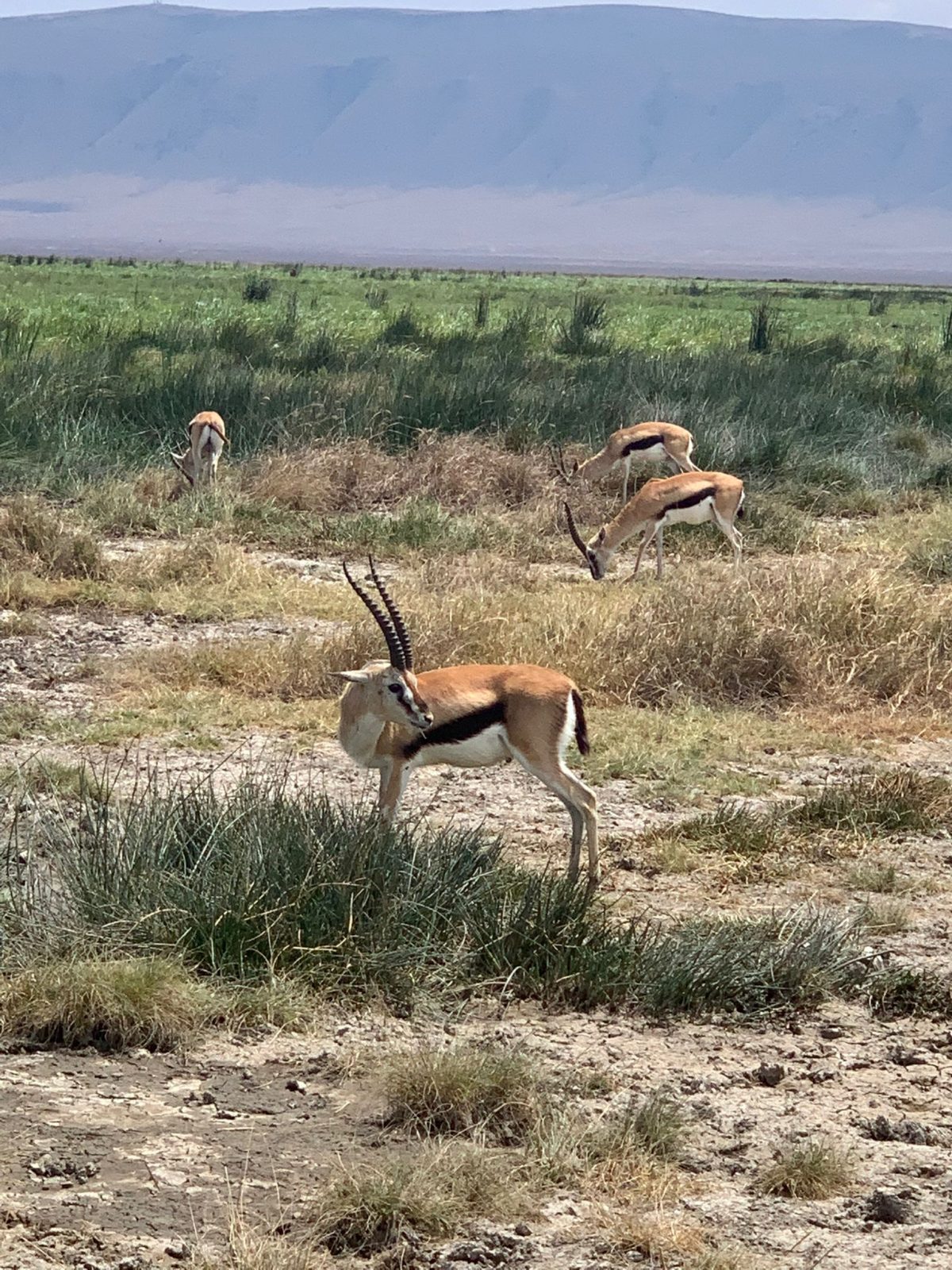
Tanzania is one of Africa’s premier big game destinations, renowned for its vast wilderness areas, exceptional wildlife diversity, and a long-established government-regulated safari system that supports conservation and sustainable wildlife management.
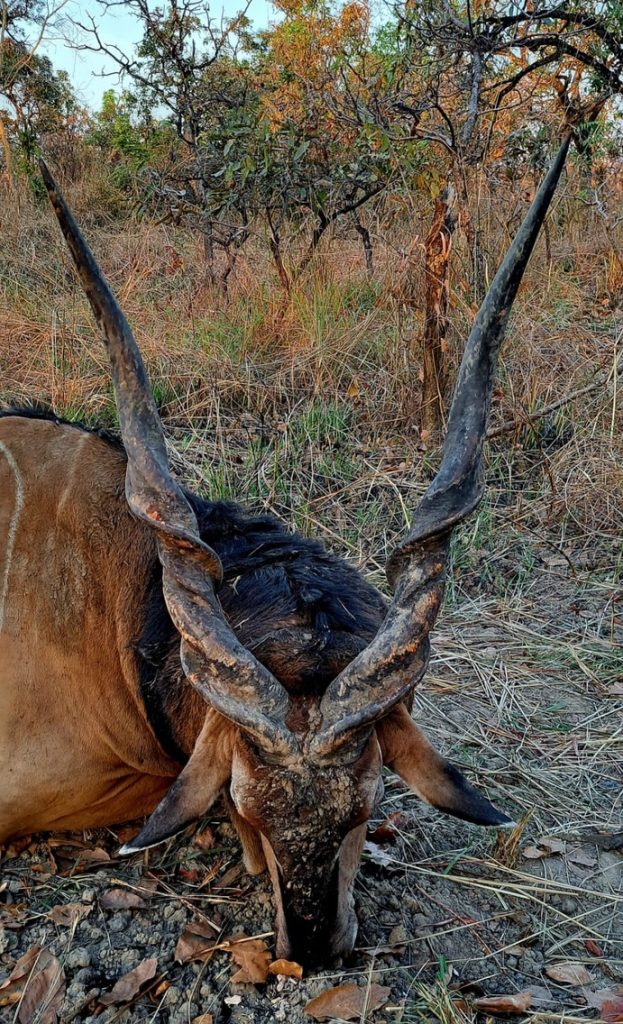
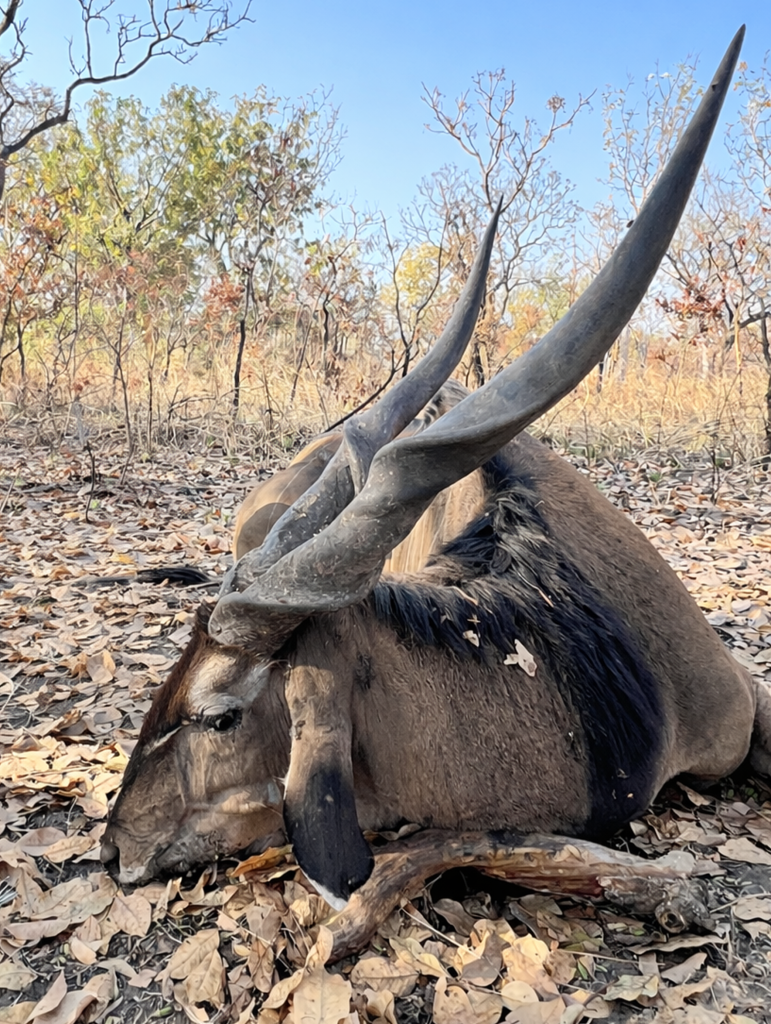
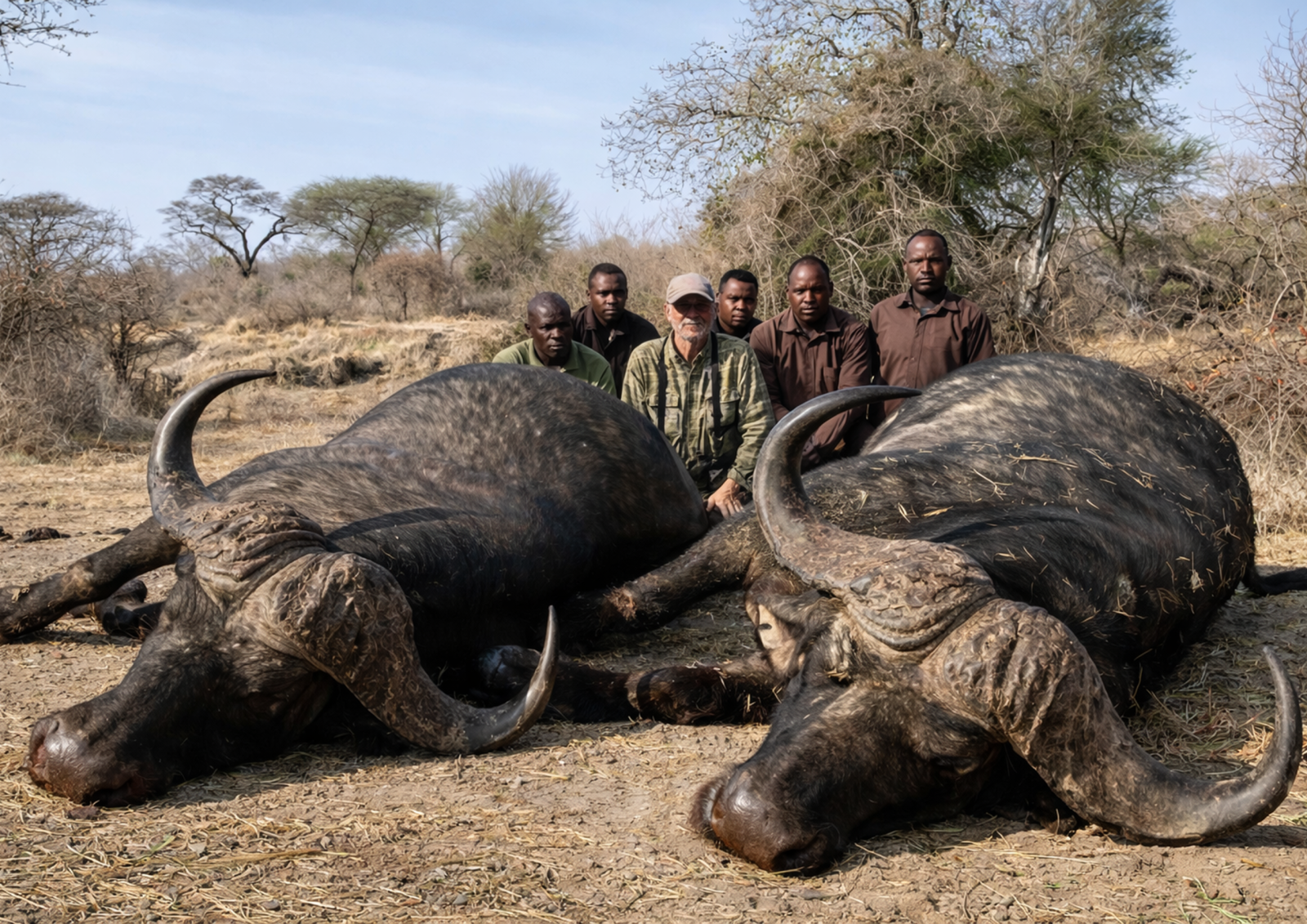
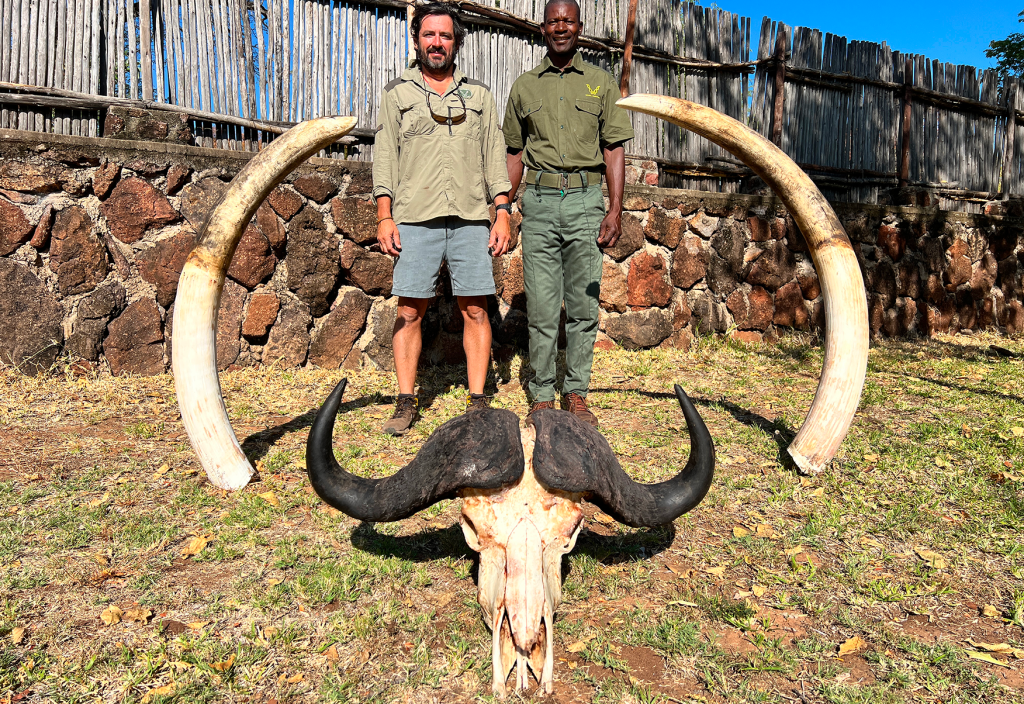
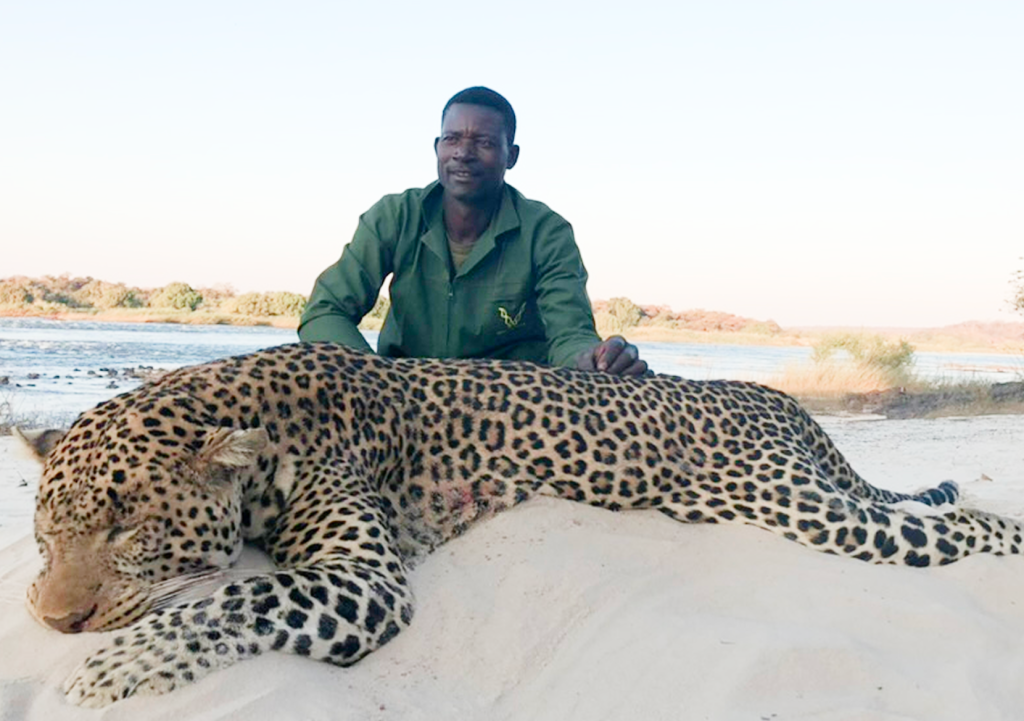
Hunting takes place in large safari concessions and Game Reserves, characterized by miombo woodland, open savanna, river systems and seasonal floodplains. Tanzania offers outstanding dangerous game opportunities including Elephant, Buffalo, Lion and Leopard, as well as highly sought-after plains game such as Greater Kudu, Sable, Roan, Eland, Lichtenstein’s Hartebeest and Bushbuck.
- Key Species: Elephant, Buffalo, Lion and Leopard, as well as highly sought-after plains game such as Greater Kudu, Sable, Roan, Eland, Lichtenstein’s Hartebeest and Bushbuck.
- Season: The season typically runs from May through October, with prime conditions during the late dry season when game concentrates around permanent water sources.
- Accommodation: Accommodation is provided in comfortable bush camps, either permanent brick-and-thatch structures or well-appointed tented camps. All offer en-suite facilities, reliable power supply, and a classic remote safari atmosphere.
- Access: Access is via international flight to Lusaka followed by a domestic charter to the nearest airstrip and road transfer to camp. Due to aircraft limitations, soft luggage is recommended.
- Caliber: Minimum legal caliber for dangerous game is generally .375 H&H or equivalent. Medium calibers such as .300 or 7mm are suitable for plains game and leopard. Temporary import permits are issued upon arrival, and all documentation must be completed prior to travel.
- Health: Most hunting areas are located in malaria zones; prophylaxis is strongly recommended. Hunters should consult their physician regarding vaccinations and carry comprehensive medical and travel insurance.
- Temperature: The dry season runs from May to October and represents the primary hunting period. Early season months are cooler, while September and October are hot and dry, particularly in valley regions.
CAMEROON

Cameroon offers one of Africa’s most unique and demanding hunting experiences, conducted across both vast savanna regions and dense equatorial rainforest concessions. Strict government licensing and limited quotas ensure controlled and highly specialized safaris.
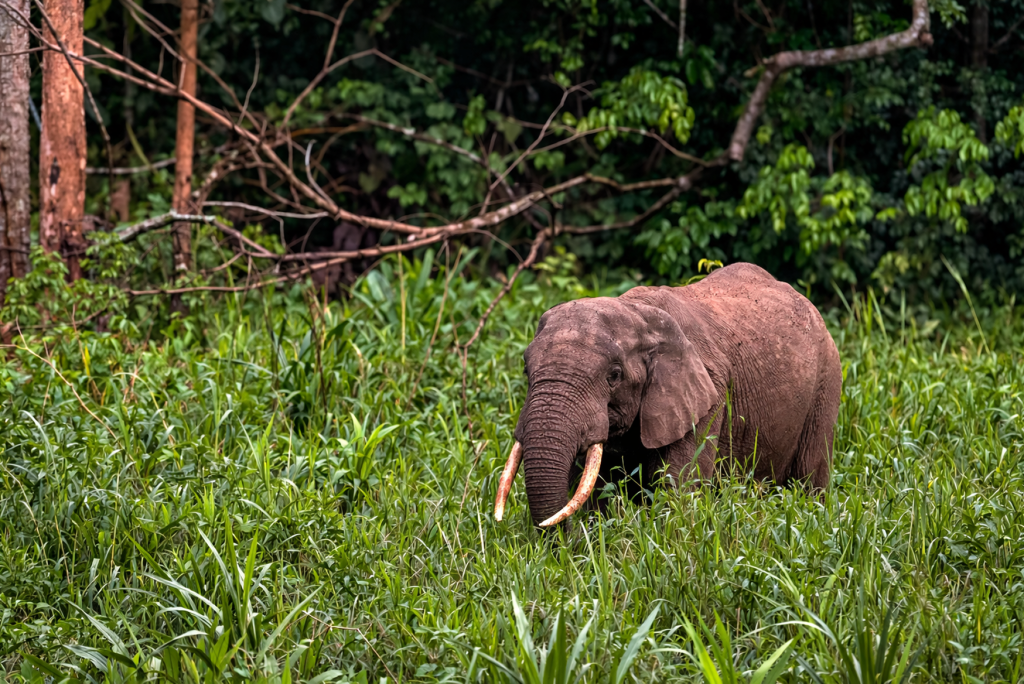
Hunting areas range from the northern savannas to the remote forest blocks of southern Cameroon. While the savanna regions offer classic West African plains game hunting, the southern forests are characterized by heavy tropical vegetation, natural forest clearings (bais), river systems and high humidity.
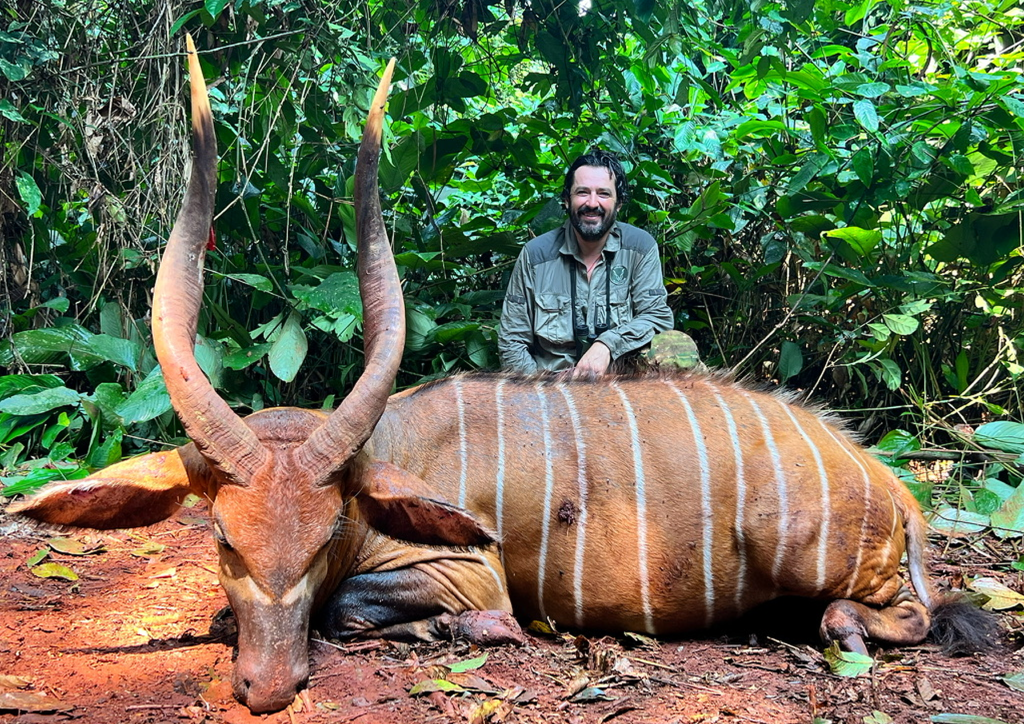
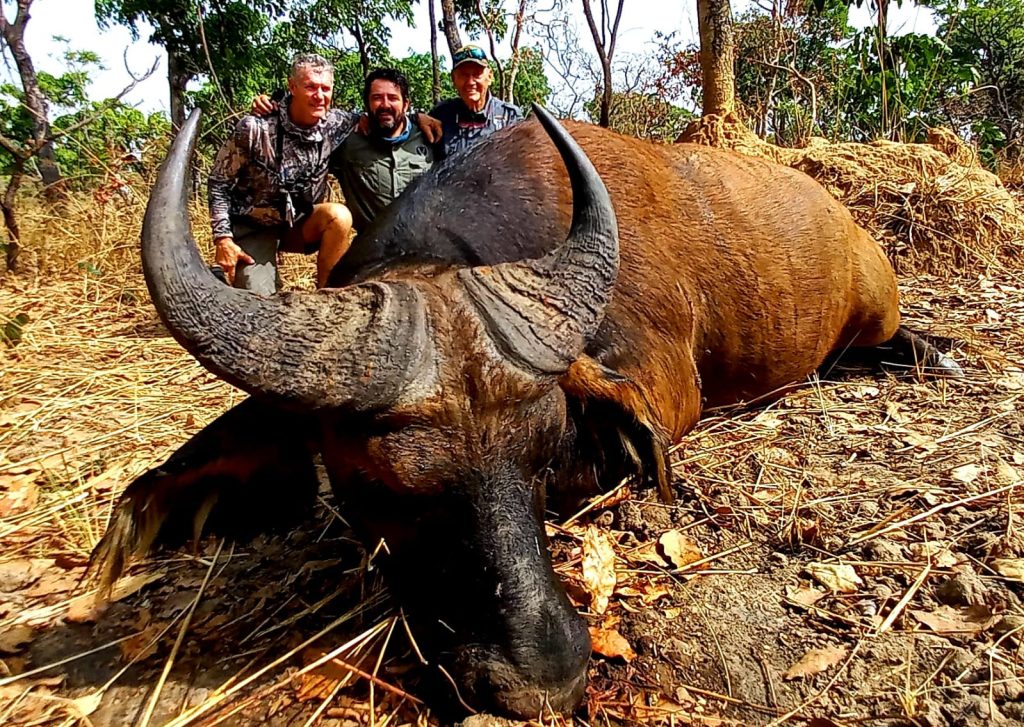
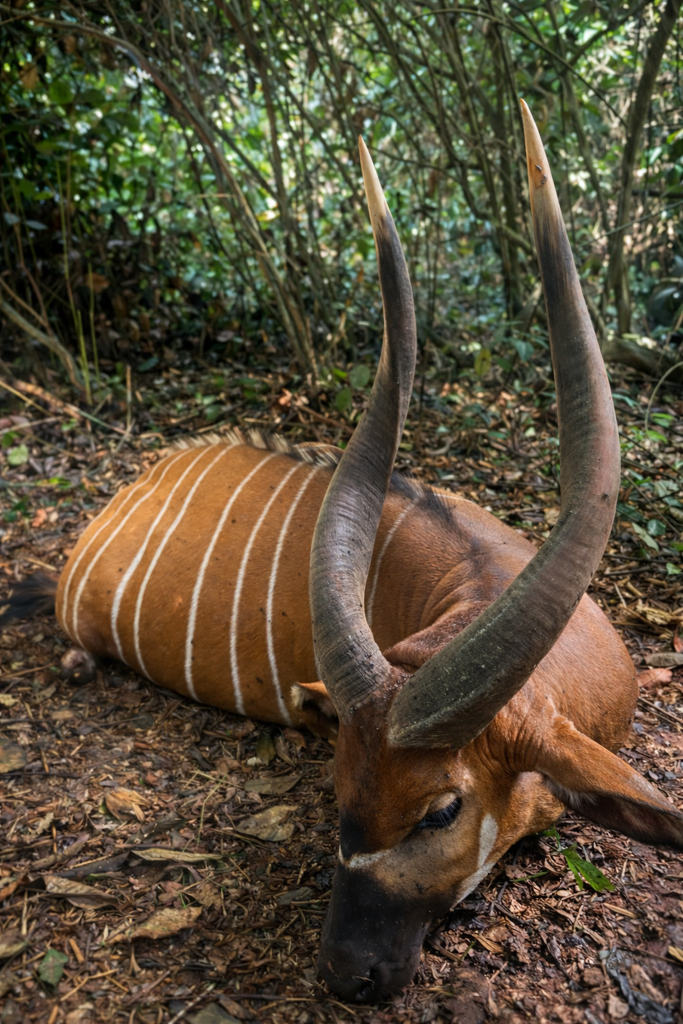
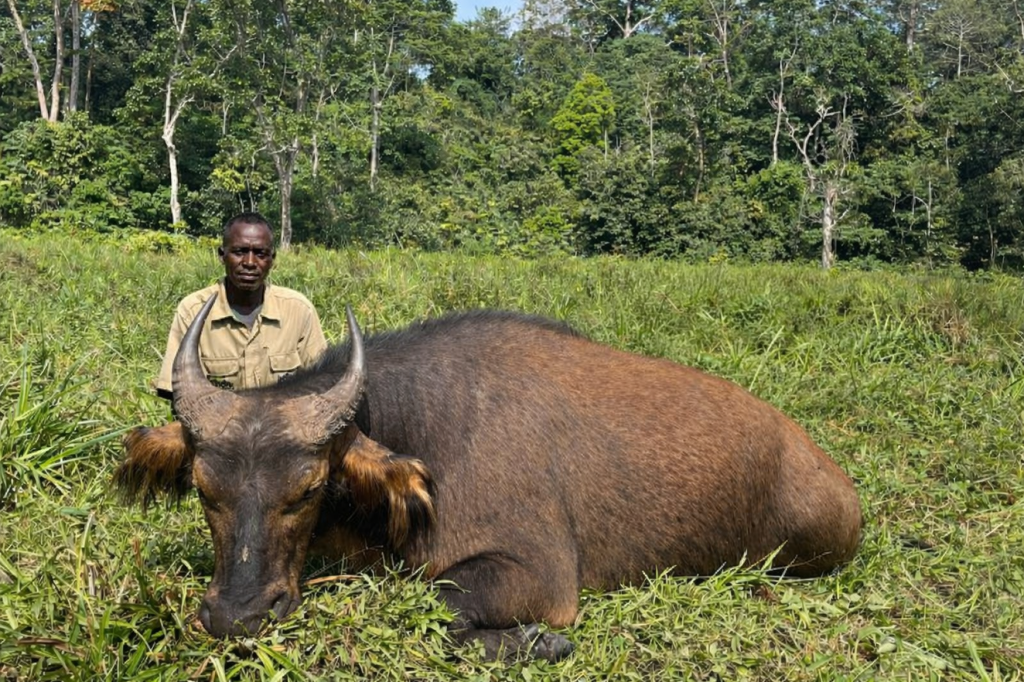
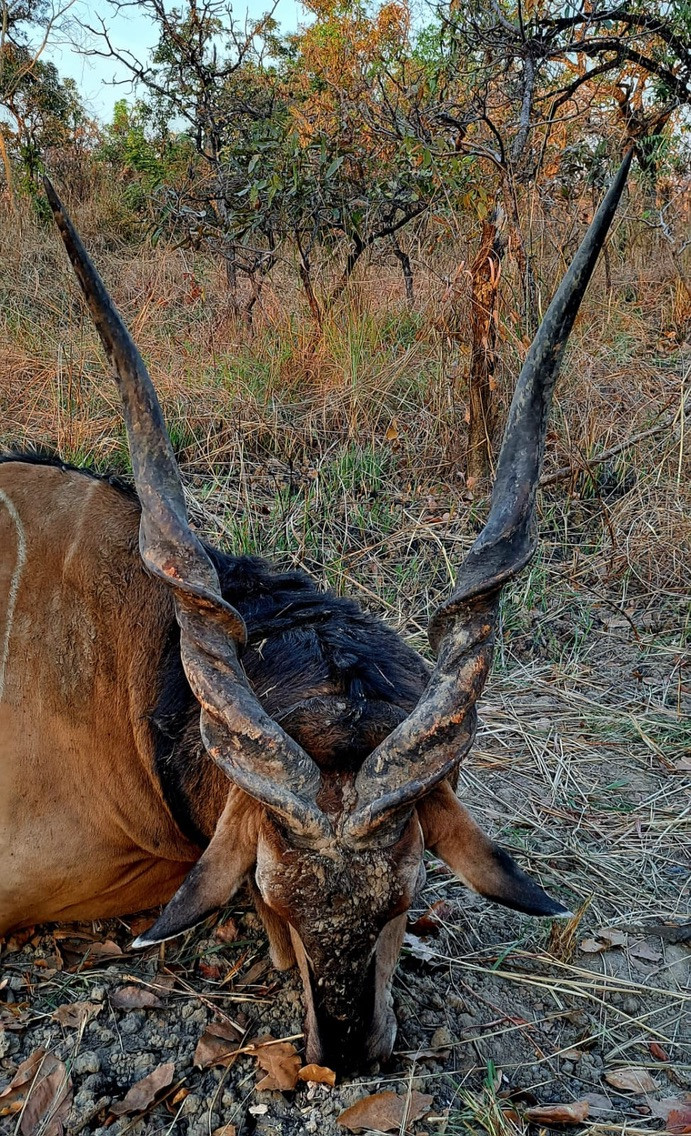
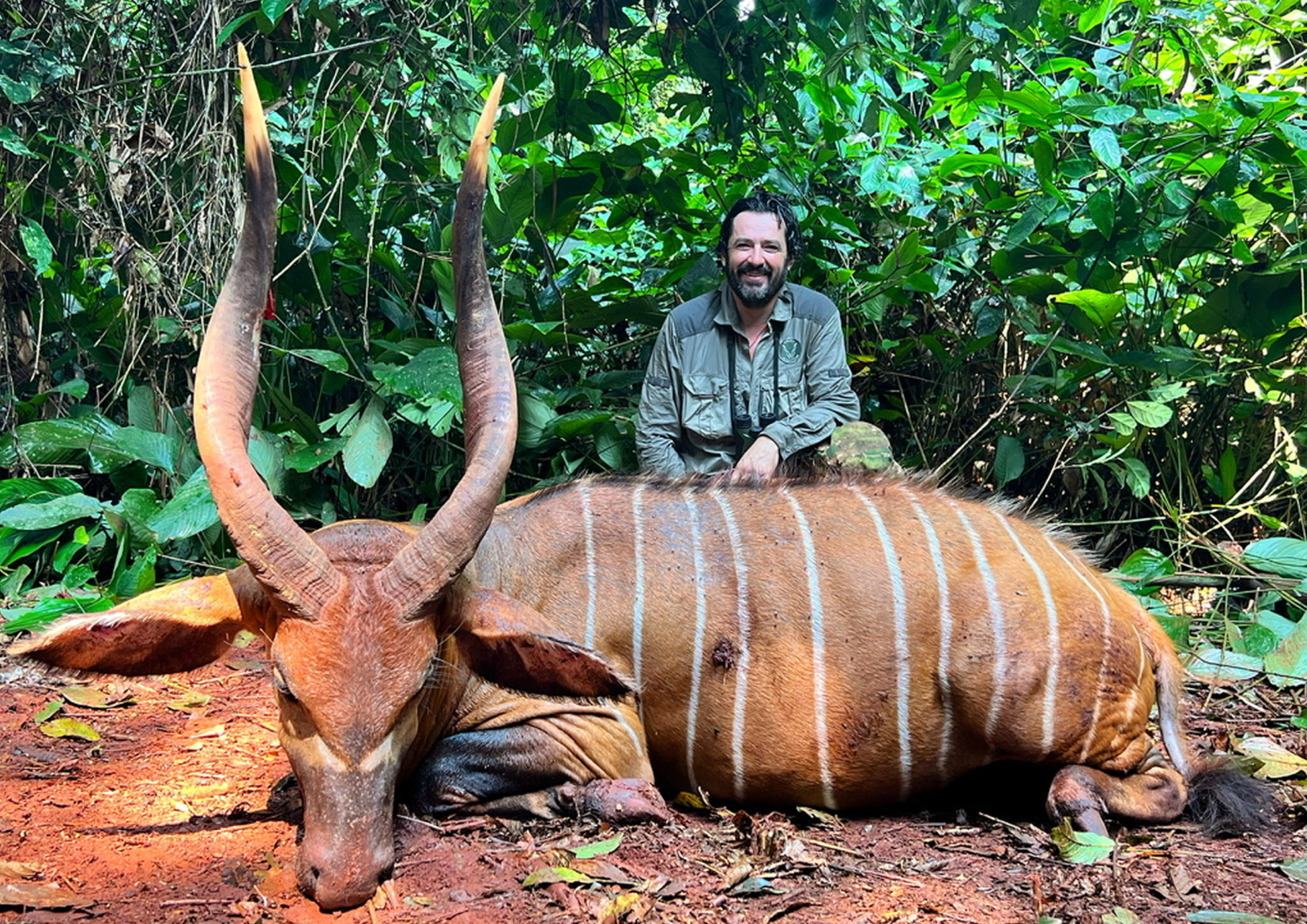
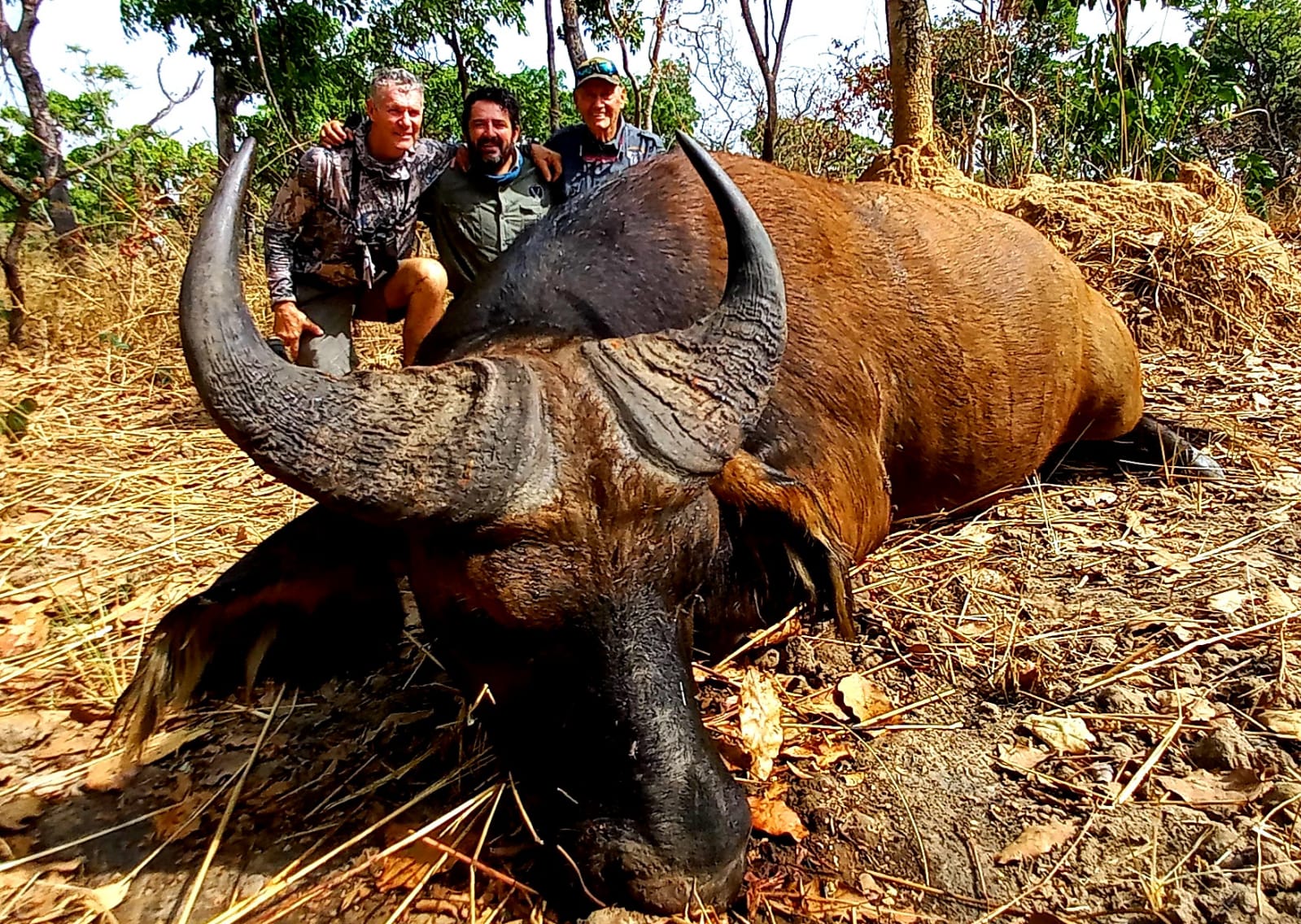
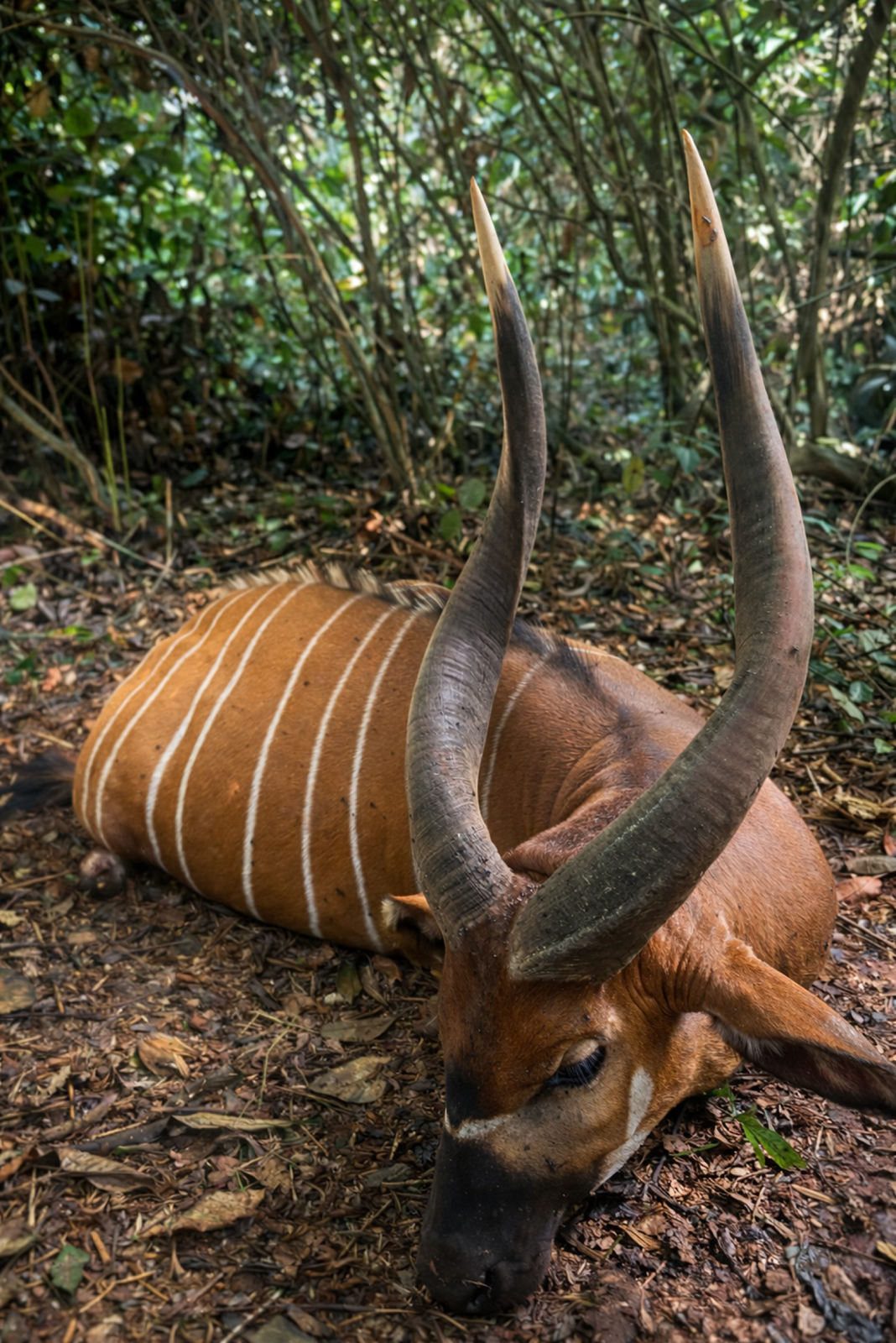
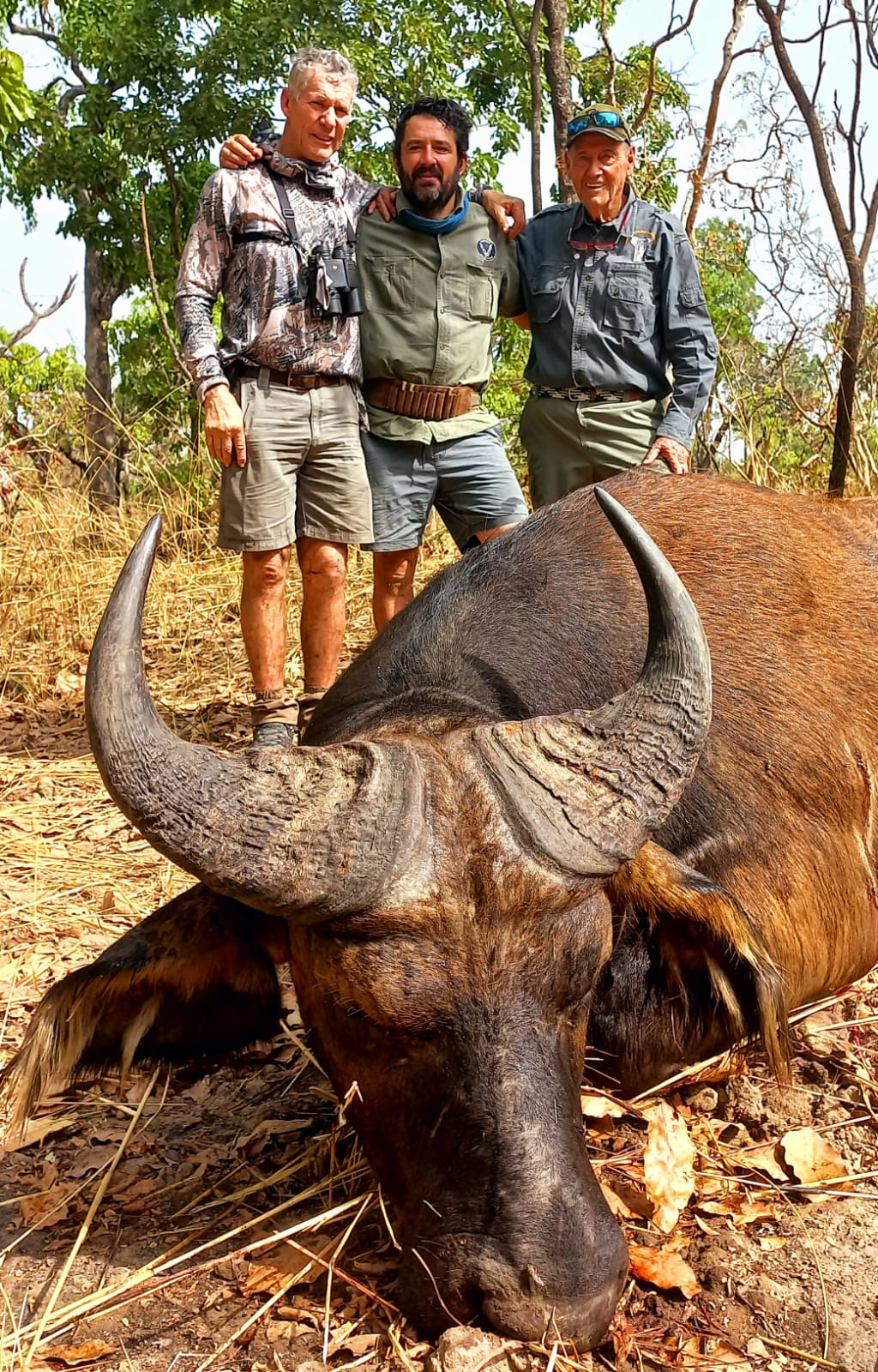
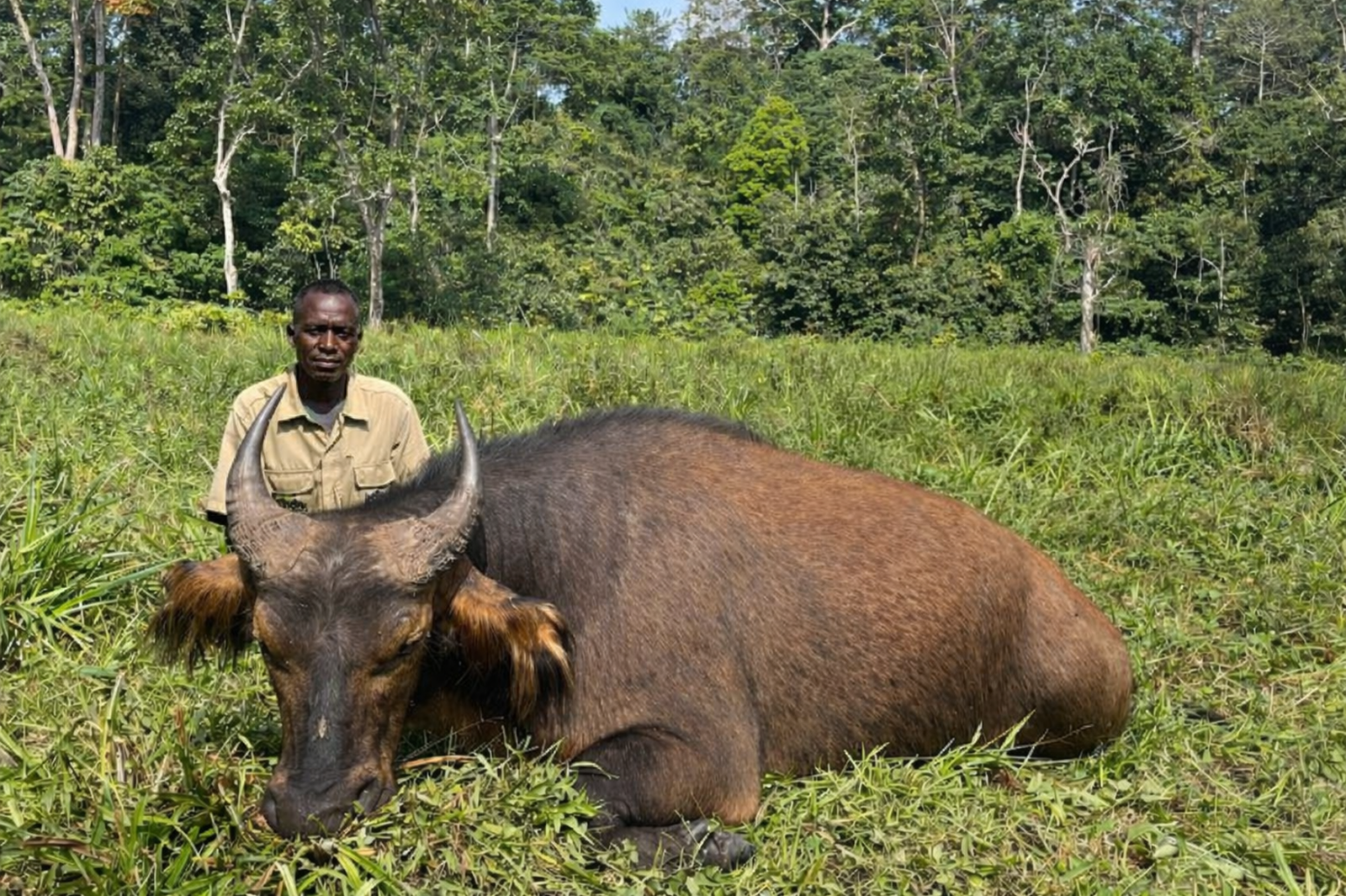
Cameroon is internationally renowned for its exceptional forest species, particularly Bongo, Forest Sitatunga and Dwarf Forest Buffalo, along with Giant Forest Hog, Red River Hog and several forest duiker species.
- Key Species: Bongo, Forest Sitatunga and Dwarf Forest Buffalo, Giant Forest Hog, Red River Hog
- Season: The official hunting season in the Lobéké Forest region of southeastern Cameroon typically runs from mid-March through mid-July. Standard safari length is usually 10 to 14 full hunting days, excluding internationaltravel days.
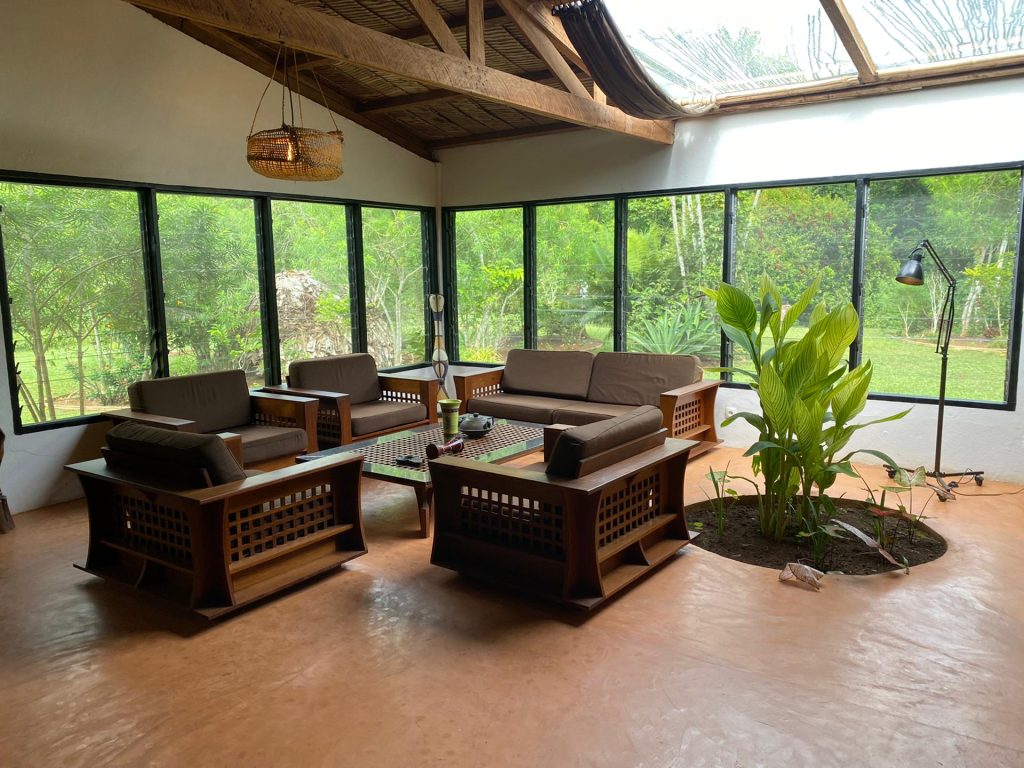
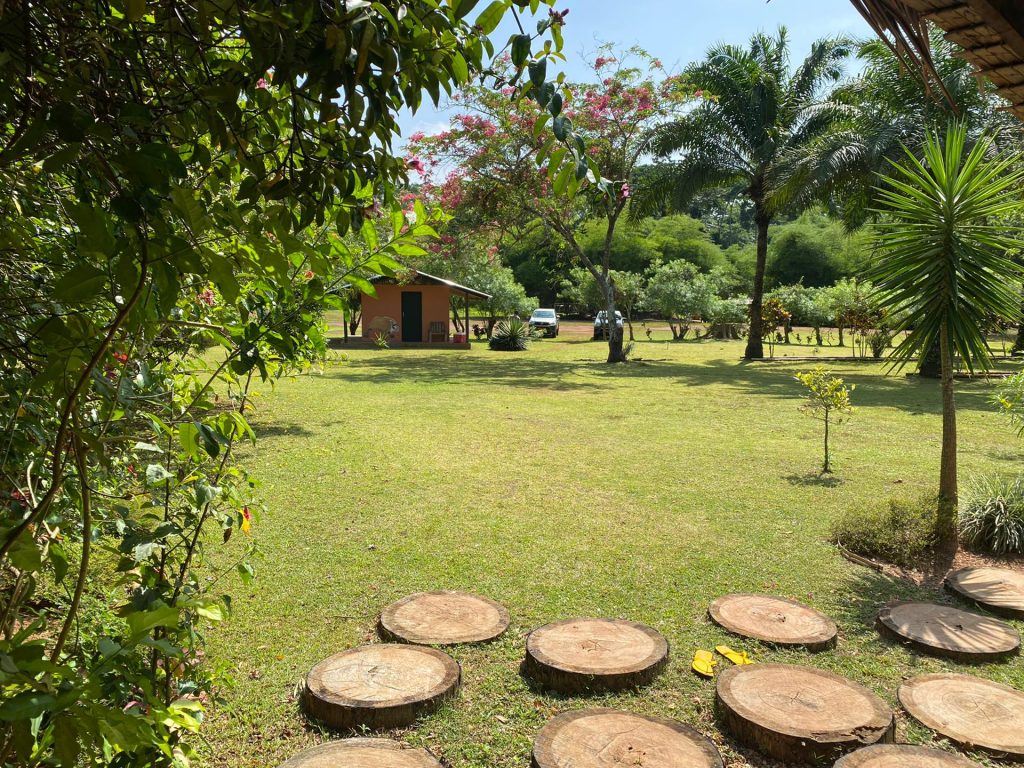
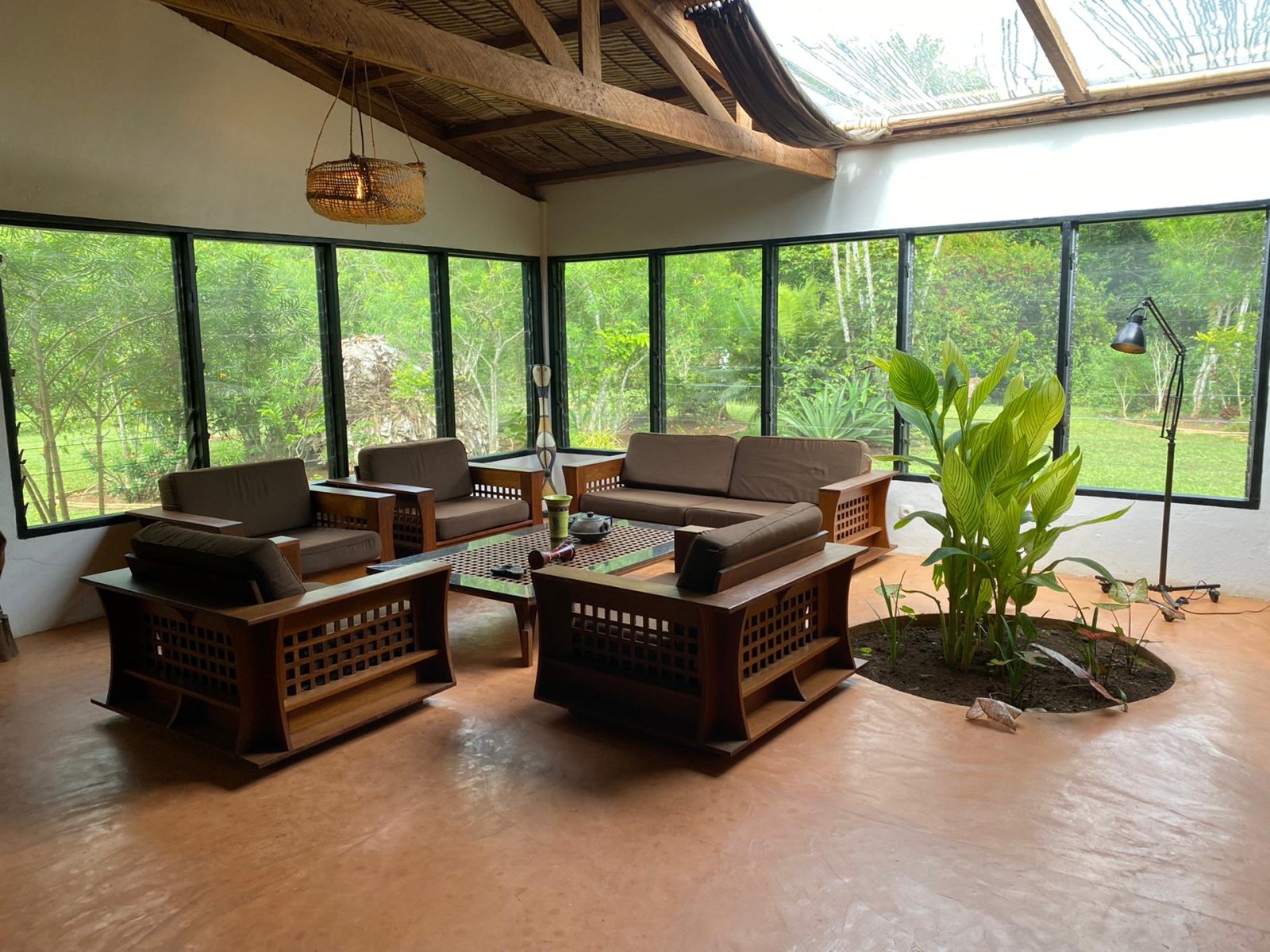
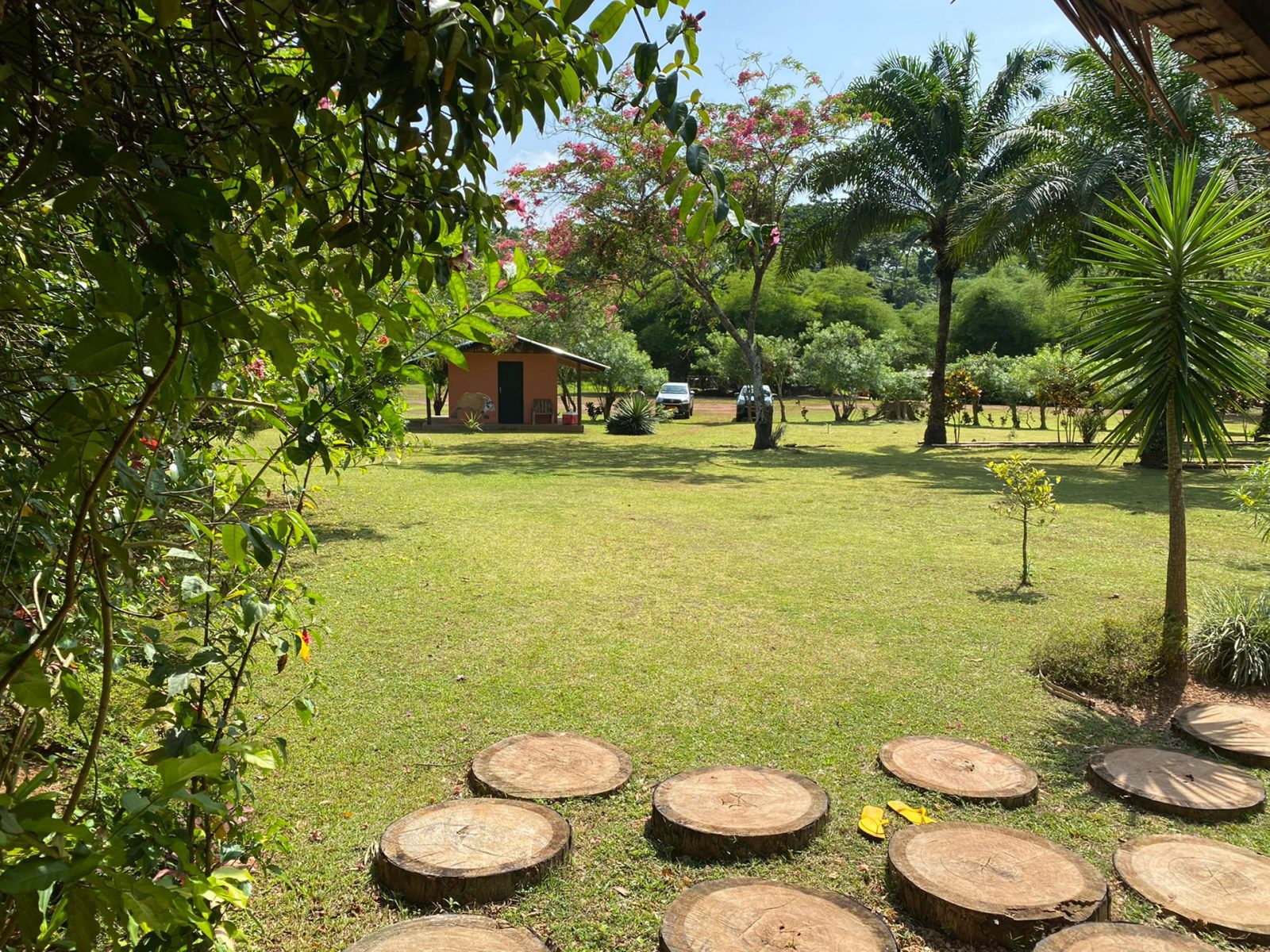
- Accommodation: Accommodation is provided in remote rainforest camps consisting of tented units or simple permanent bungalows with private facilities. Camps are fully serviced and include generator power, refrigeration, trophy preparation areas and professional staff, including professional hunters, trackers, porters, skinners, cooks and camp attendants.
- Access: Access is via international flight to Douala or Yaoundé, followed by a charter flight to the nearest airstrip serving the Lobéké concession, and in some cases an additional vehicle transfer to camp. Arrival one to two days prior to the charter departure is recommended.
- Caliber: Cameroon permits the temporary import of two rifles per hunter with a maximum of 50 rounds per rifle. For forest species such as bongo and forest buffalo, calibers such as .375 H&H or .416 are strongly recommended. Rental rifles may be available with advance arrangement.
- Health: Yellow Fever vaccination is mandatory, and proof via an International Vaccination Card must be presented upon entry into Cameroon. Malaria prophylaxis is essential due to the tropical rainforest environment. Hunters should consult their physician regarding recommended vaccinations and must carry comprehensive medical and travel insurance.
- Temperature: The climate in the Lobéké Forest is equatorial, characterized by high humidity, dense vegetation and frequent rainfall. Daytime temperatures generally range between 24°C and 32°C (75–90°F) with humidity often exceeding 80%. Hunting conditions involve tracking on foot through dense forest terrain, often over uneven ground and in wet conditions.